
NVIDIA Expands XR Platform for AI

The introduction of XR AI marks an important step toward mainstream AI-powered wearable computing. Decision-makers should monitor adoption rates, enterprise use cases, hardware partnerships.

June 17, 2026
|
Image Source:  NVIDIA

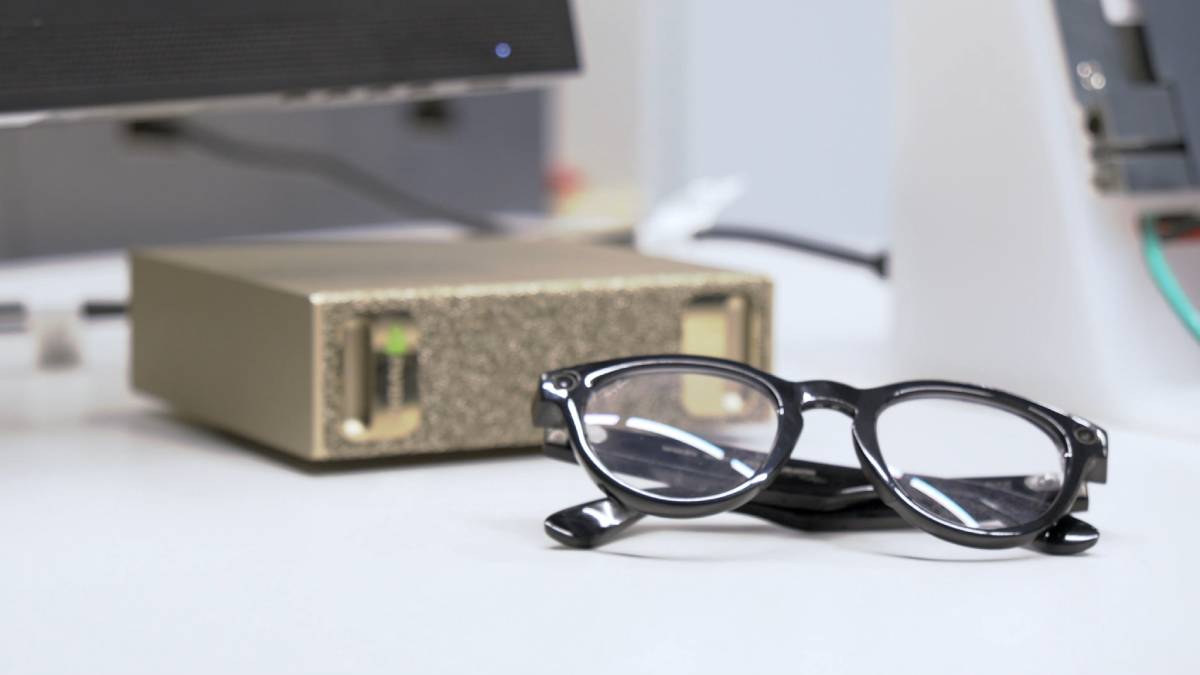
A major development in the extended reality (XR) and artificial intelligence sectors emerged as NVIDIA unveiled XR AI, a platform designed to bring AI agents directly into augmented reality (AR) glasses. The initiative signals a strategic shift toward hands-free computing, potentially transforming how consumers, enterprises, and industrial workers interact with digital information in real-world environments.

NVIDIA announced XR AI as a framework that enables AI agents to operate through AR glasses, combining real-time perception, contextual awareness, and natural language interaction. The platform leverages NVIDIA’s AI computing infrastructure and software ecosystem to create immersive experiences that blend physical and digital environments.

The initiative allows users to interact with AI assistants without relying on smartphones, laptops, or traditional interfaces. AI agents can analyze surroundings, provide contextual information, guide workflows, and support decision-making in real time.

The announcement highlights NVIDIA’s ambition to expand beyond AI infrastructure and into next-generation computing interfaces, positioning XR devices as a key frontier for future AI adoption.

The development aligns with a broader trend across global technology markets where artificial intelligence, spatial computing, and wearable devices are increasingly converging. Industry leaders have spent years pursuing AR and mixed-reality technologies, but adoption has remained limited due to hardware constraints, user experience challenges, and the absence of compelling everyday applications.

Recent advances in generative AI have changed that equation. AI-powered assistants can now understand language, process visual information, and generate contextual responses in real time, making wearable computing more practical and valuable.

Major technology companies are investing aggressively in smart glasses and XR ecosystems. Enterprises are exploring applications in manufacturing, logistics, healthcare, field services, and training, while consumer markets are showing growing interest in AI-powered wearables.

NVIDIA’s move reflects the industry's belief that AI agents may become the primary interface for future computing experiences, reducing reliance on traditional screens and keyboards.

Technology analysts view AI-enabled wearables as one of the most promising growth opportunities in the next wave of digital transformation. The ability to provide real-time intelligence directly within a user's field of view could significantly improve productivity, safety, and operational efficiency across multiple industries.

NVIDIA executives have emphasized that XR AI is designed to bring advanced AI capabilities into everyday environments, enabling more natural interactions between humans and machines. The company argues that spatial computing combined with AI agents creates a powerful platform for contextual decision-making and workflow automation.

Industry observers note that the success of XR AI will depend on ecosystem development, including hardware partnerships, developer adoption, and enterprise deployment strategies. Experts also point out that advances in edge computing, cloud infrastructure, and AI inference capabilities are making real-time wearable intelligence increasingly feasible.

The announcement further reinforces NVIDIA’s position at the center of the rapidly evolving AI ecosystem. For enterprises, XR AI could unlock new operational efficiencies by enabling workers to access information, receive instructions, and interact with AI assistants without interrupting tasks. Industries such as manufacturing, healthcare, logistics, and field services may be among the earliest beneficiaries.

Investors are likely to view the announcement as another indicator that AI growth opportunities extend beyond data centers and cloud platforms into emerging hardware ecosystems. Companies participating in wearable technology, semiconductor development, and AI software could see increased strategic interest.

From a policy perspective, the expansion of AI-enabled wearables raises important questions regarding privacy, data collection, cybersecurity, and responsible AI deployment. Regulators may increasingly focus on governance frameworks for devices capable of continuously observing and interpreting real-world environments.

The introduction of XR AI marks an important step toward mainstream AI-powered wearable computing. Decision-makers should monitor adoption rates, enterprise use cases, hardware partnerships, and developer engagement as the ecosystem evolves. Questions remain regarding consumer acceptance, privacy protections, and long-term commercial viability. Nevertheless, NVIDIA’s latest initiative suggests that the next phase of AI innovation may move beyond screens and into the physical world itself, reshaping how people interact with technology.

Source: NVIDIA
Date:
June 2026

  • Featured tools
WellSaid Ai
Free

WellSaid AI is an advanced text-to-speech platform that transforms written text into lifelike, human-quality voiceovers.

#
Text to Speech
Learn more
Wonder AI
Free

Wonder AI is a versatile AI-powered creative platform that generates text, images, and audio with minimal input, designed for fast storytelling, visual creation, and audio content generation

#
Art Generator
Learn more

Learn more about future of AI

Join 80,000+ Ai enthusiast getting weekly updates on exciting AI tools.
Thank you! Your submission has been received!
Oops! Something went wrong while submitting the form.

NVIDIA Expands XR Platform for AI

June 17, 2026

The introduction of XR AI marks an important step toward mainstream AI-powered wearable computing. Decision-makers should monitor adoption rates, enterprise use cases, hardware partnerships.

Image Source:  NVIDIA

A major development in the extended reality (XR) and artificial intelligence sectors emerged as NVIDIA unveiled XR AI, a platform designed to bring AI agents directly into augmented reality (AR) glasses. The initiative signals a strategic shift toward hands-free computing, potentially transforming how consumers, enterprises, and industrial workers interact with digital information in real-world environments.

NVIDIA announced XR AI as a framework that enables AI agents to operate through AR glasses, combining real-time perception, contextual awareness, and natural language interaction. The platform leverages NVIDIA’s AI computing infrastructure and software ecosystem to create immersive experiences that blend physical and digital environments.

The initiative allows users to interact with AI assistants without relying on smartphones, laptops, or traditional interfaces. AI agents can analyze surroundings, provide contextual information, guide workflows, and support decision-making in real time.

The announcement highlights NVIDIA’s ambition to expand beyond AI infrastructure and into next-generation computing interfaces, positioning XR devices as a key frontier for future AI adoption.

The development aligns with a broader trend across global technology markets where artificial intelligence, spatial computing, and wearable devices are increasingly converging. Industry leaders have spent years pursuing AR and mixed-reality technologies, but adoption has remained limited due to hardware constraints, user experience challenges, and the absence of compelling everyday applications.

Recent advances in generative AI have changed that equation. AI-powered assistants can now understand language, process visual information, and generate contextual responses in real time, making wearable computing more practical and valuable.

Major technology companies are investing aggressively in smart glasses and XR ecosystems. Enterprises are exploring applications in manufacturing, logistics, healthcare, field services, and training, while consumer markets are showing growing interest in AI-powered wearables.

NVIDIA’s move reflects the industry's belief that AI agents may become the primary interface for future computing experiences, reducing reliance on traditional screens and keyboards.

Technology analysts view AI-enabled wearables as one of the most promising growth opportunities in the next wave of digital transformation. The ability to provide real-time intelligence directly within a user's field of view could significantly improve productivity, safety, and operational efficiency across multiple industries.

NVIDIA executives have emphasized that XR AI is designed to bring advanced AI capabilities into everyday environments, enabling more natural interactions between humans and machines. The company argues that spatial computing combined with AI agents creates a powerful platform for contextual decision-making and workflow automation.

Industry observers note that the success of XR AI will depend on ecosystem development, including hardware partnerships, developer adoption, and enterprise deployment strategies. Experts also point out that advances in edge computing, cloud infrastructure, and AI inference capabilities are making real-time wearable intelligence increasingly feasible.

The announcement further reinforces NVIDIA’s position at the center of the rapidly evolving AI ecosystem. For enterprises, XR AI could unlock new operational efficiencies by enabling workers to access information, receive instructions, and interact with AI assistants without interrupting tasks. Industries such as manufacturing, healthcare, logistics, and field services may be among the earliest beneficiaries.

Investors are likely to view the announcement as another indicator that AI growth opportunities extend beyond data centers and cloud platforms into emerging hardware ecosystems. Companies participating in wearable technology, semiconductor development, and AI software could see increased strategic interest.

From a policy perspective, the expansion of AI-enabled wearables raises important questions regarding privacy, data collection, cybersecurity, and responsible AI deployment. Regulators may increasingly focus on governance frameworks for devices capable of continuously observing and interpreting real-world environments.

The introduction of XR AI marks an important step toward mainstream AI-powered wearable computing. Decision-makers should monitor adoption rates, enterprise use cases, hardware partnerships, and developer engagement as the ecosystem evolves. Questions remain regarding consumer acceptance, privacy protections, and long-term commercial viability. Nevertheless, NVIDIA’s latest initiative suggests that the next phase of AI innovation may move beyond screens and into the physical world itself, reshaping how people interact with technology.

Source: NVIDIA
Date:
June 2026

Promote Your Tool

Copy Embed Code

Similar Blogs

June 18, 2026
|

AI Paradox Deepens as Skepticism Grows

Recent survey findings indicate that while Americans are increasingly cautious about the long-term impact of artificial intelligence, actual usage of AI tools continues to expand across professional and personal contexts.
Read more
June 18, 2026
|

Illinois Restricts Smart Glasses While Driving

Illinois lawmakers are evaluating legislation that would prohibit the use of smart glasses while operating a vehicle, citing concerns over distraction and impaired driver attention.
Read more
June 18, 2026
|

Anthropic Unifies AI Coding Design Workflow

Anthropic has expanded its Claude platform to bring together AI-assisted design and coding functionalities into a more integrated developer experience.
Read more
June 18, 2026
|

Creator Camera Wars Intensify Premium Segment

The Insta360 Luna Ultra and DJI Osmo Pocket 4 represent the latest generation of compact, high-performance cameras designed for vloggers, filmmakers, and social media content creators.
Read more
June 18, 2026
|

VSCO Targets Premium Creator Economy Push

VSCO has introduced “Studio Pro,” a mobile-first photo editing application designed to provide advanced creative tools for professional photographers, content creators, and digital media teams.
Read more
June 18, 2026
|

Apple Pricing Shift on Rising RAM Costs

Apple leadership has pointed to escalating memory (RAM) costs as a key driver of financial pressure within its hardware supply chain, suggesting that future product pricing adjustments may be necessary to maintain margins.
Read more