
NVIDIA Expands South Korea AI Alliances

NVIDIA announced a series of collaborations with leading South Korean companies aimed at accelerating the deployment of AI infrastructure and AI factory technologies.

June 8, 2026
|

A major development unfolded in the global artificial intelligence industry as NVIDIA strengthened partnerships with South Korean technology leaders, including SK Group and SK hynix, to advance next-generation AI infrastructure. The agreements highlight the growing strategic importance of memory technologies, data centers, and AI factories as nations and corporations race to secure leadership in the rapidly expanding AI economy.

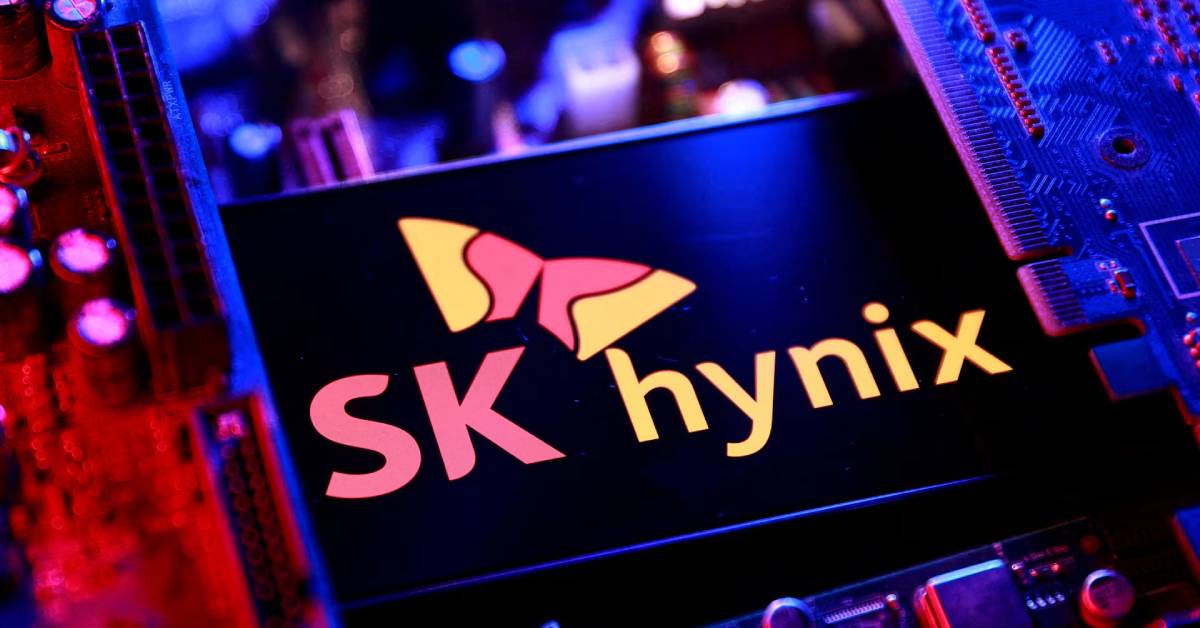
NVIDIA announced a series of collaborations with leading South Korean companies aimed at accelerating the deployment of AI infrastructure and AI factory technologies. Among the most significant developments was a multiyear technology partnership with SK hynix focused on advancing high-bandwidth memory (HBM) solutions that power AI systems.

The agreements also involve broader cooperation with SK Group affiliates and other Korean technology firms seeking to strengthen their positions in the AI value chain. The partnerships target critical components required for large-scale AI deployments, including advanced semiconductors, memory systems, data center architecture, and AI computing platforms.

The announcement underscores South Korea’s growing role as a strategic supplier in the global AI ecosystem while reinforcing NVIDIA’s efforts to secure long-term technology partnerships amid surging demand for AI infrastructure worldwide.

The development comes at a pivotal moment for the global semiconductor industry. As generative AI adoption accelerates across sectors, demand for advanced chips, memory modules, networking equipment, and AI infrastructure has reached unprecedented levels.

High-bandwidth memory has emerged as one of the most critical technologies supporting AI workloads. Companies developing large language models and AI applications require enormous computational resources, making memory performance a key competitive differentiator. South Korean firms, particularly SK hynix and Samsung, have become indispensable players in this supply chain due to their leadership in advanced memory manufacturing.

The partnerships also reflect broader geopolitical and economic shifts. Governments across Asia, North America, and Europe are investing heavily in semiconductor resilience and AI competitiveness. As AI becomes increasingly central to national economic strategies, collaborations between technology leaders and component suppliers are evolving from commercial agreements into strategic industry alliances.

The rise of AI factories large-scale computing environments dedicated to training and deploying AI models further increases demand for integrated hardware ecosystems capable of supporting future generations of AI applications.

Industry analysts view the agreements as further evidence that AI infrastructure has become one of the most important battlegrounds in the global technology sector. While AI software often captures public attention, experts note that the hardware ecosystem remains the foundation upon which the entire AI economy is built.

Executives from participating companies emphasized the importance of close collaboration between chip designers, memory manufacturers, and infrastructure providers. The partnerships are intended to optimize performance, improve scalability, and ensure that future AI systems can meet growing computational demands.

Market observers also point out that securing long-term supply relationships has become increasingly critical as competition intensifies. Advanced memory products such as HBM have experienced sustained demand growth due to their role in powering AI accelerators and data center systems.

Analysts believe South Korea’s semiconductor sector stands to benefit significantly from continued AI investment cycles, particularly as enterprises and governments worldwide expand spending on AI capabilities. The collaborations may also strengthen supply-chain resilience by fostering deeper integration among key technology providers.

For business leaders, the partnerships signal that AI infrastructure investment remains a central priority across the technology landscape. Companies dependent on AI capabilities may benefit from improved hardware performance and greater availability of critical computing resources.

Investors are likely to view the agreements as a positive indicator for firms positioned within the AI supply chain, particularly those involved in advanced semiconductors, memory manufacturing, networking technologies, and cloud infrastructure.

From a policy perspective, the announcement reinforces the strategic importance of semiconductor leadership. Governments seeking to build competitive AI ecosystems will continue prioritizing investments in chip production, research and development, and advanced manufacturing capabilities.

For enterprises, the message is increasingly clear: future competitiveness may depend not only on AI software innovation but also on access to the infrastructure that enables large-scale AI deployment.

The partnerships are expected to evolve as AI demand continues to expand across industries ranging from healthcare and finance to manufacturing and defense. Market participants will closely watch how these collaborations translate into next-generation AI hardware and commercial deployments.

As the AI race intensifies, strategic alliances between infrastructure leaders and semiconductor manufacturers are likely to become even more important. The organizations that successfully combine innovation, scale, and supply-chain resilience may ultimately shape the next chapter of the global AI economy.

Source: Reuters
Date:
June 7, 2026

  • Featured tools
Wonder AI
Free

Wonder AI is a versatile AI-powered creative platform that generates text, images, and audio with minimal input, designed for fast storytelling, visual creation, and audio content generation

#
Art Generator
Learn more
Tome AI
Free

Tome AI is an AI-powered storytelling and presentation tool designed to help users create compelling narratives and presentations quickly and efficiently. It leverages advanced AI technologies to generate content, images, and animations based on user input.

#
Presentation
#
Startup Tools
Learn more

Learn more about future of AI

Join 80,000+ Ai enthusiast getting weekly updates on exciting AI tools.
Thank you! Your submission has been received!
Oops! Something went wrong while submitting the form.

NVIDIA Expands South Korea AI Alliances

June 8, 2026

NVIDIA announced a series of collaborations with leading South Korean companies aimed at accelerating the deployment of AI infrastructure and AI factory technologies.

A major development unfolded in the global artificial intelligence industry as NVIDIA strengthened partnerships with South Korean technology leaders, including SK Group and SK hynix, to advance next-generation AI infrastructure. The agreements highlight the growing strategic importance of memory technologies, data centers, and AI factories as nations and corporations race to secure leadership in the rapidly expanding AI economy.

NVIDIA announced a series of collaborations with leading South Korean companies aimed at accelerating the deployment of AI infrastructure and AI factory technologies. Among the most significant developments was a multiyear technology partnership with SK hynix focused on advancing high-bandwidth memory (HBM) solutions that power AI systems.

The agreements also involve broader cooperation with SK Group affiliates and other Korean technology firms seeking to strengthen their positions in the AI value chain. The partnerships target critical components required for large-scale AI deployments, including advanced semiconductors, memory systems, data center architecture, and AI computing platforms.

The announcement underscores South Korea’s growing role as a strategic supplier in the global AI ecosystem while reinforcing NVIDIA’s efforts to secure long-term technology partnerships amid surging demand for AI infrastructure worldwide.

The development comes at a pivotal moment for the global semiconductor industry. As generative AI adoption accelerates across sectors, demand for advanced chips, memory modules, networking equipment, and AI infrastructure has reached unprecedented levels.

High-bandwidth memory has emerged as one of the most critical technologies supporting AI workloads. Companies developing large language models and AI applications require enormous computational resources, making memory performance a key competitive differentiator. South Korean firms, particularly SK hynix and Samsung, have become indispensable players in this supply chain due to their leadership in advanced memory manufacturing.

The partnerships also reflect broader geopolitical and economic shifts. Governments across Asia, North America, and Europe are investing heavily in semiconductor resilience and AI competitiveness. As AI becomes increasingly central to national economic strategies, collaborations between technology leaders and component suppliers are evolving from commercial agreements into strategic industry alliances.

The rise of AI factories large-scale computing environments dedicated to training and deploying AI models further increases demand for integrated hardware ecosystems capable of supporting future generations of AI applications.

Industry analysts view the agreements as further evidence that AI infrastructure has become one of the most important battlegrounds in the global technology sector. While AI software often captures public attention, experts note that the hardware ecosystem remains the foundation upon which the entire AI economy is built.

Executives from participating companies emphasized the importance of close collaboration between chip designers, memory manufacturers, and infrastructure providers. The partnerships are intended to optimize performance, improve scalability, and ensure that future AI systems can meet growing computational demands.

Market observers also point out that securing long-term supply relationships has become increasingly critical as competition intensifies. Advanced memory products such as HBM have experienced sustained demand growth due to their role in powering AI accelerators and data center systems.

Analysts believe South Korea’s semiconductor sector stands to benefit significantly from continued AI investment cycles, particularly as enterprises and governments worldwide expand spending on AI capabilities. The collaborations may also strengthen supply-chain resilience by fostering deeper integration among key technology providers.

For business leaders, the partnerships signal that AI infrastructure investment remains a central priority across the technology landscape. Companies dependent on AI capabilities may benefit from improved hardware performance and greater availability of critical computing resources.

Investors are likely to view the agreements as a positive indicator for firms positioned within the AI supply chain, particularly those involved in advanced semiconductors, memory manufacturing, networking technologies, and cloud infrastructure.

From a policy perspective, the announcement reinforces the strategic importance of semiconductor leadership. Governments seeking to build competitive AI ecosystems will continue prioritizing investments in chip production, research and development, and advanced manufacturing capabilities.

For enterprises, the message is increasingly clear: future competitiveness may depend not only on AI software innovation but also on access to the infrastructure that enables large-scale AI deployment.

The partnerships are expected to evolve as AI demand continues to expand across industries ranging from healthcare and finance to manufacturing and defense. Market participants will closely watch how these collaborations translate into next-generation AI hardware and commercial deployments.

As the AI race intensifies, strategic alliances between infrastructure leaders and semiconductor manufacturers are likely to become even more important. The organizations that successfully combine innovation, scale, and supply-chain resilience may ultimately shape the next chapter of the global AI economy.

Source: Reuters
Date:
June 7, 2026

Promote Your Tool

Copy Embed Code

Similar Blogs

June 19, 2026
|

Apple iPhone Camera Controls Expand AI

The report outlines how users can modify or disable AI-assisted camera functions on Apple iPhone devices, particularly features that influence image processing and computational enhancements.
Read more
June 19, 2026
|

Samsung Expands Galaxy AI Controls Push

The guide details how users can adjust or disable AI-driven features on Samsung Galaxy smartphones, including tools integrated into Samsung Galaxy smartphones.
Read more
June 19, 2026
|

Google Expands Smart Home Ecosystem

The latest compilation of Google voice commands focuses on how users can interact with Google Assistant and connected smart home systems. Commands span entertainment, home automation, productivity, navigation.
Read more
June 19, 2026
|

AI Dating Apps Face User Backlash

Survey data indicates that while adoption of AI-based dating assistants and companion tools is increasing, user sentiment is becoming increasingly polarized.
Read more
June 19, 2026
|

Apple Signals Price Hikes Amid Cost Pressures

Apple CEO Tim Cook indicated that escalating costs tied to components such as memory, advanced processors, and logistics are becoming structurally embedded across the company’s manufacturing pipeline.
Read more
June 19, 2026
|

Adobe Embeds AI Assistants Across Tools

Adobe is positioning these assistants as task-oriented agents capable of handling repetitive editing workflows such as object removal.
Read more