



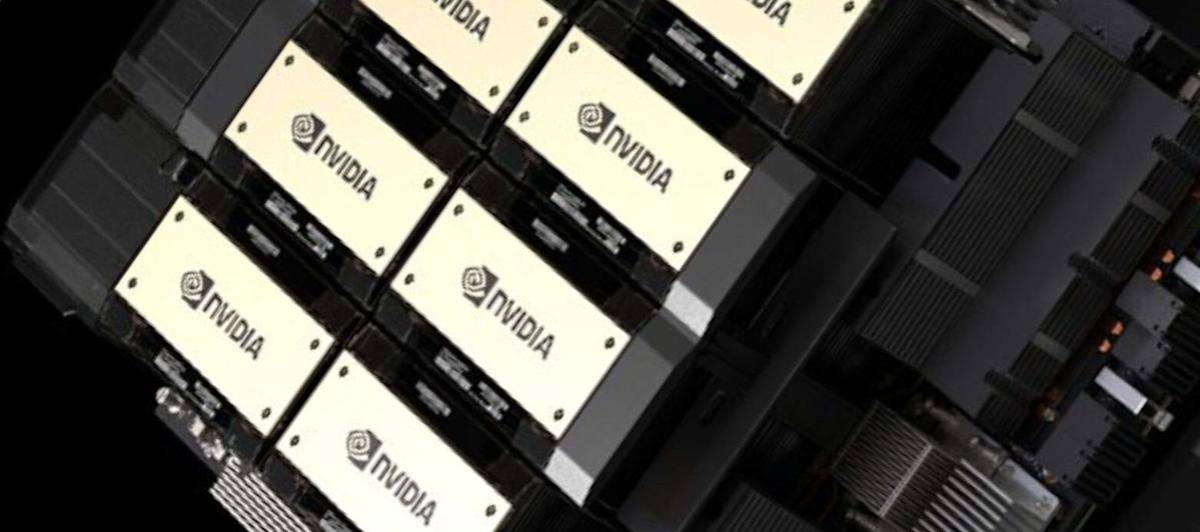
Signals from Nvidia leadership suggest that demand for high-performance GPUs remains structurally strong, reinforcing expectations of a prolonged artificial intelligence infrastructure cycle. The comments from the company’s CFO underscore the scale of global compute requirements, with implications for cloud providers, chip supply chains, and investors heavily exposed to the AI hardware ecosystem.
The CFO of Nvidia highlighted continued strong demand for GPUs across hyperscale cloud providers, enterprise AI deployments, and sovereign computing initiatives. The remarks indicate that despite earlier concerns about supply normalization, orders for AI accelerators remain elevated.
Key drivers include expanding large language model training, inference workloads, and enterprise adoption of AI tools across industries. The company continues to benefit from long-term infrastructure commitments by major cloud players.
Investors interpreted the comments as a signal that AI hardware demand has not peaked, reinforcing bullish sentiment around semiconductor and data center stocks tied to the AI ecosystem.
The AI hardware cycle has become one of the most significant technology investment themes of the decade, with GPUs forming the backbone of modern machine learning infrastructure. Since the generative AI breakout, demand for accelerated computing has surged dramatically, driving unprecedented revenue growth for semiconductor leaders such as Nvidia.
Cloud providers including Amazon Web Services, Microsoft Azure, and Google Cloud have been aggressively expanding AI-capable data centers, creating sustained demand pressure on GPU supply chains. At the same time, enterprises across finance, healthcare, manufacturing, and software development are integrating AI models into production systems.
Historically, semiconductor cycles have been volatile, often tied to consumer electronics demand. However, AI infrastructure is increasingly viewed as a multi-year capital expenditure cycle rather than a short-term trend, fundamentally reshaping expectations for chipmakers and infrastructure investors.
Market analysts suggest that Nvidia’s commentary reinforces the view that AI demand is shifting from experimental adoption to industrial-scale deployment. This transition is characterized by sustained purchasing from hyperscalers rather than speculative or one-time demand spikes.
Some experts note that GPU demand is now increasingly driven by inference workloads, which scale with user adoption of AI applications rather than just model training. This could extend the lifecycle of AI infrastructure investment beyond initial buildout phases.
However, caution remains among some researchers who warn that supply constraints, energy consumption, and rising costs could eventually slow expansion. Others argue that continued software optimization and chip innovation may offset these constraints, enabling further growth in compute-intensive workloads.
For investors, the outlook reinforces continued exposure to AI infrastructure equities, particularly semiconductor manufacturers, cloud providers, and data center operators. It also suggests that valuation models tied to AI growth may still have upside if demand persists longer than expected.
For enterprises, sustained GPU demand may translate into higher cloud compute costs, potentially accelerating interest in efficiency-focused AI models and custom silicon alternatives.
From a policy perspective, rising demand for high-energy computing infrastructure could intensify scrutiny around energy usage, supply chain concentration, and geopolitical dependencies in semiconductor production. Governments may also increase incentives for domestic chip manufacturing and AI infrastructure resilience.
The key question moving forward is whether AI-driven GPU demand represents a long-duration structural cycle or an extended peak phase of rapid adoption. Nvidia’s outlook suggests continued strength, but market participants will closely monitor supply expansion, pricing trends, and cloud spending trajectories. Attention will also turn to emerging competitors and alternative compute architectures that could reshape demand distribution across the semiconductor ecosystem.
Source: Yahoo Finance
Date: May 25, 2026


