
Nvidia CEO Declines Senate AI Exports

Nvidia’s chief executive declined a request to appear before U.S. lawmakers examining issues related to artificial intelligence development, semiconductor exports, and technology competition with China.

July 29, 2026
|

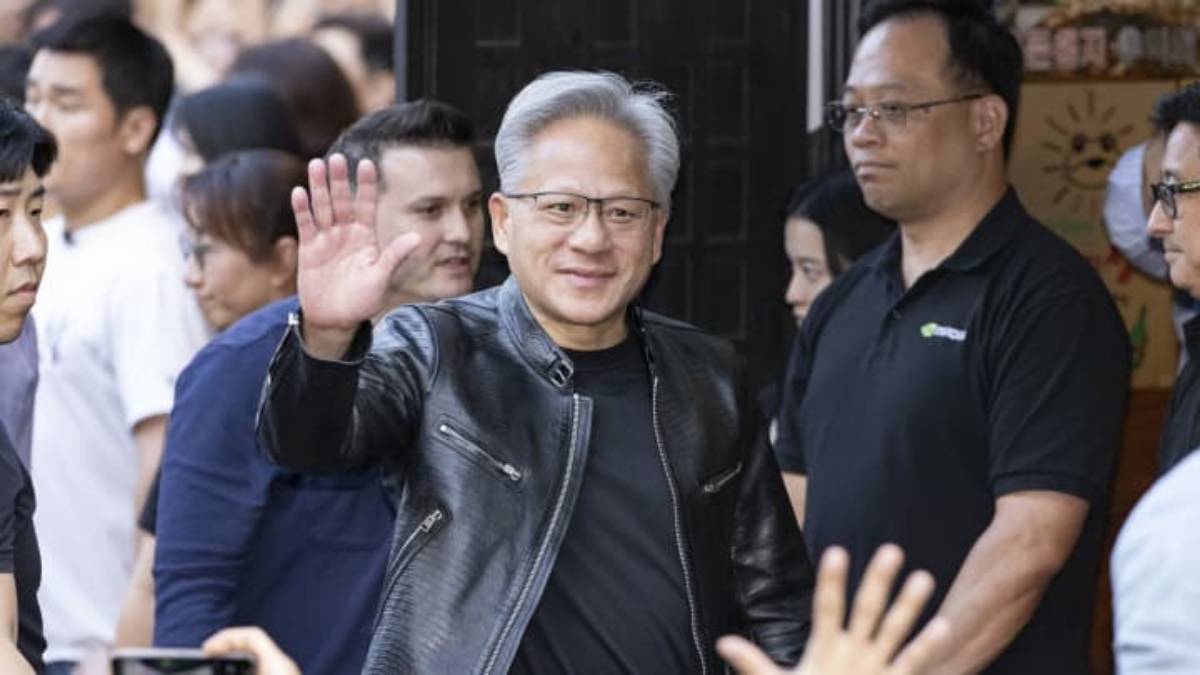
A major development unfolded in the global technology sector as Nvidia CEO Jensen Huang reportedly declined an invitation to testify before the U.S. Senate on artificial intelligence, China, and semiconductor export controls. The decision highlights growing tensions between national security priorities and commercial interests as governments seek greater oversight of strategic AI technologies.

Nvidia’s chief executive declined a request to appear before U.S. lawmakers examining issues related to artificial intelligence development, semiconductor exports, and technology competition with China. The Senate inquiry comes amid heightened scrutiny of advanced AI chips, which are increasingly viewed as critical assets in economic competitiveness and national security.

Key stakeholders include Nvidia, U.S. policymakers, Chinese technology firms, semiconductor manufacturers, investors, and AI developers. The debate centers on export restrictions affecting access to advanced computing technologies. Lawmakers are seeking greater clarity on how AI hardware exports influence strategic competition, while industry leaders continue balancing regulatory compliance with global market opportunities.

The development occurs against a backdrop of escalating technological competition between the United States and China. Advanced AI chips have emerged as one of the most strategically important technologies in the global economy, powering everything from generative AI systems and cloud computing platforms to military research and industrial automation.

In recent years, Washington has implemented increasingly stringent export controls aimed at limiting China’s access to cutting-edge semiconductor technologies. These restrictions have placed companies such as Nvidia at the center of a complex geopolitical landscape where business objectives intersect with national security concerns.

The development aligns with a broader trend across global markets where governments are taking a more active role in regulating critical technologies. AI infrastructure, semiconductor supply chains, and advanced computing capabilities are increasingly viewed as strategic assets that could influence future economic leadership and geopolitical influence.

Industry analysts note that Nvidia occupies a uniquely influential position within the AI ecosystem due to its dominance in advanced computing hardware. As demand for AI accelerates globally, the company’s products have become essential components of data centers, research institutions, and enterprise AI deployments.

Policy experts suggest that congressional interest reflects growing concerns over maintaining technological leadership while protecting national security interests. Some analysts argue that export controls can slow competitors’ access to advanced capabilities, while others caution that excessive restrictions may encourage the development of alternative supply chains outside U.S. influence.

Market observers emphasize that the broader issue extends beyond a single company. The debate reflects ongoing tensions surrounding global technology governance, international trade, and the role of private-sector innovation in strategically sensitive industries. These discussions are expected to remain central to technology policy for years to come.

For businesses, the situation highlights the increasing importance of geopolitical risk management in technology strategy. Companies operating in semiconductors, AI infrastructure, and international supply chains may face greater regulatory complexity and compliance requirements.

Investors are closely monitoring export-control developments because changes in policy could influence revenue growth, market access, and long-term valuation prospects for major technology firms. Semiconductor companies remain particularly exposed to shifts in international trade policy.

For policymakers, the debate underscores the challenge of balancing innovation, economic competitiveness, and national security objectives. Governments worldwide may continue expanding oversight of advanced technologies as AI becomes more deeply integrated into economic and strategic planning.

Attention will now turn to future congressional hearings, regulatory developments, and potential revisions to export-control policies. Industry leaders will be watching for signals regarding how governments intend to manage AI-related technologies in an increasingly competitive geopolitical environment. The broader challenge remains finding a sustainable balance between technological innovation, commercial opportunity, and national security priorities in the AI era.

Source: CNBC
Date:
8 June 2026

  • Featured tools
Beautiful AI
Free

Beautiful AI is an AI-powered presentation platform that automates slide design and formatting, enabling users to create polished, on-brand presentations quickly.

#
Presentation
Learn more
Figstack AI
Free

Figstack AI is an intelligent assistant for developers that explains code, generates docstrings, converts code between languages, and analyzes time complexity helping you work smarter, not harder.

#
Coding
Learn more

Learn more about future of AI

Join 80,000+ Ai enthusiast getting weekly updates on exciting AI tools.
Thank you! Your submission has been received!
Oops! Something went wrong while submitting the form.

Nvidia CEO Declines Senate AI Exports

July 29, 2026

Nvidia’s chief executive declined a request to appear before U.S. lawmakers examining issues related to artificial intelligence development, semiconductor exports, and technology competition with China.

A major development unfolded in the global technology sector as Nvidia CEO Jensen Huang reportedly declined an invitation to testify before the U.S. Senate on artificial intelligence, China, and semiconductor export controls. The decision highlights growing tensions between national security priorities and commercial interests as governments seek greater oversight of strategic AI technologies.

Nvidia’s chief executive declined a request to appear before U.S. lawmakers examining issues related to artificial intelligence development, semiconductor exports, and technology competition with China. The Senate inquiry comes amid heightened scrutiny of advanced AI chips, which are increasingly viewed as critical assets in economic competitiveness and national security.

Key stakeholders include Nvidia, U.S. policymakers, Chinese technology firms, semiconductor manufacturers, investors, and AI developers. The debate centers on export restrictions affecting access to advanced computing technologies. Lawmakers are seeking greater clarity on how AI hardware exports influence strategic competition, while industry leaders continue balancing regulatory compliance with global market opportunities.

The development occurs against a backdrop of escalating technological competition between the United States and China. Advanced AI chips have emerged as one of the most strategically important technologies in the global economy, powering everything from generative AI systems and cloud computing platforms to military research and industrial automation.

In recent years, Washington has implemented increasingly stringent export controls aimed at limiting China’s access to cutting-edge semiconductor technologies. These restrictions have placed companies such as Nvidia at the center of a complex geopolitical landscape where business objectives intersect with national security concerns.

The development aligns with a broader trend across global markets where governments are taking a more active role in regulating critical technologies. AI infrastructure, semiconductor supply chains, and advanced computing capabilities are increasingly viewed as strategic assets that could influence future economic leadership and geopolitical influence.

Industry analysts note that Nvidia occupies a uniquely influential position within the AI ecosystem due to its dominance in advanced computing hardware. As demand for AI accelerates globally, the company’s products have become essential components of data centers, research institutions, and enterprise AI deployments.

Policy experts suggest that congressional interest reflects growing concerns over maintaining technological leadership while protecting national security interests. Some analysts argue that export controls can slow competitors’ access to advanced capabilities, while others caution that excessive restrictions may encourage the development of alternative supply chains outside U.S. influence.

Market observers emphasize that the broader issue extends beyond a single company. The debate reflects ongoing tensions surrounding global technology governance, international trade, and the role of private-sector innovation in strategically sensitive industries. These discussions are expected to remain central to technology policy for years to come.

For businesses, the situation highlights the increasing importance of geopolitical risk management in technology strategy. Companies operating in semiconductors, AI infrastructure, and international supply chains may face greater regulatory complexity and compliance requirements.

Investors are closely monitoring export-control developments because changes in policy could influence revenue growth, market access, and long-term valuation prospects for major technology firms. Semiconductor companies remain particularly exposed to shifts in international trade policy.

For policymakers, the debate underscores the challenge of balancing innovation, economic competitiveness, and national security objectives. Governments worldwide may continue expanding oversight of advanced technologies as AI becomes more deeply integrated into economic and strategic planning.

Attention will now turn to future congressional hearings, regulatory developments, and potential revisions to export-control policies. Industry leaders will be watching for signals regarding how governments intend to manage AI-related technologies in an increasingly competitive geopolitical environment. The broader challenge remains finding a sustainable balance between technological innovation, commercial opportunity, and national security priorities in the AI era.

Source: CNBC
Date:
8 June 2026

Promote Your Tool

Copy Embed Code

Similar Blogs

July 29, 2026
|

EmulationStation Enhances Retro Gaming Experience

EmulationStation is a front-end interface designed to organize and present video game emulation libraries through a streamlined user experience.
Read more
July 29, 2026
|

Tomoson Expands Influencer Marketing Collaboration

Tomoson operates as an influencer marketing platform designed to help brands collaborate with content creators and manage promotional campaigns.
Read more
July 29, 2026
|

ZeroBin.net Advances Secure Data Sharing

ZeroBin.net operates as a privacy-oriented platform that allows users to share encrypted information through temporary digital channels.
Read more
July 29, 2026
|

Gaia Expands Digital Knowledge Access

Gaia operates within the broader category of digital platforms focused on information discovery, organization, and knowledge accessibility.
Read more
July 29, 2026
|

MailDrop Expands Privacy Email Solutions

MailDrop operates as a temporary email service designed to help users create disposable email addresses for online registrations and digital interactions.
Read more
July 29, 2026
|

MacX YouTube Downloader Enhances Video Management

MacX YouTube Downloader is a multimedia software solution designed to support video downloading, conversion, and management from online platforms.
Read more