
Norway Canada Launch Clean Tech Corridor

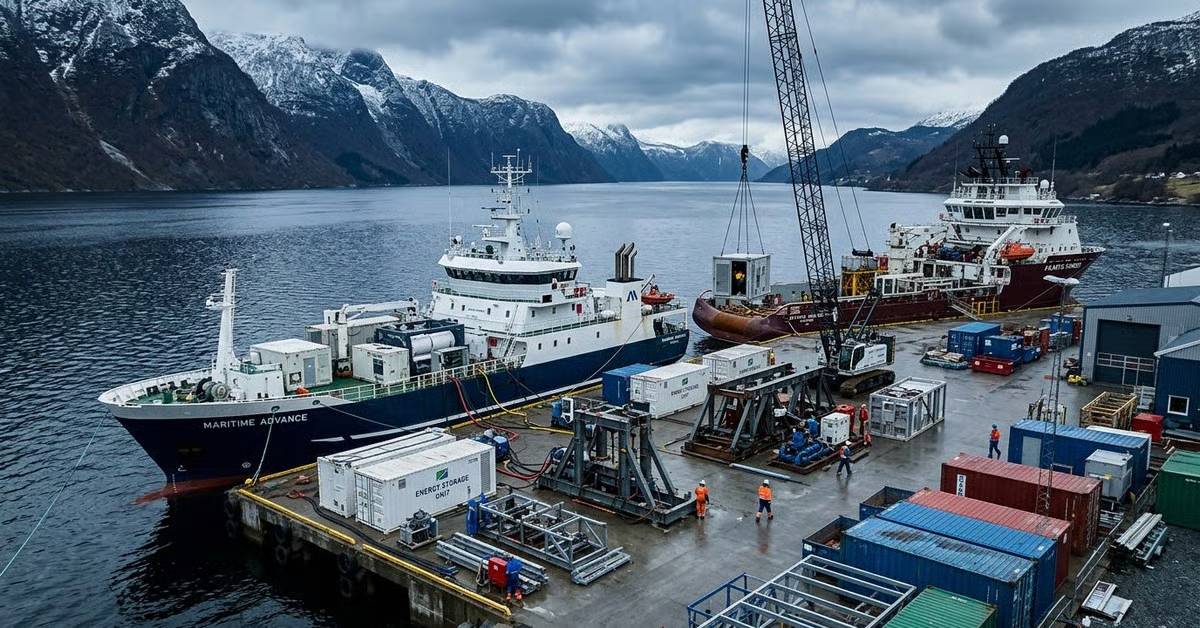
The Norway-Canada marine clean tech corridor aims to provide companies with access to testing environments, research capabilities, and industry partnerships across both countries.

July 7, 2026
|

Norway and Canada are strengthening cooperation in marine clean technology through the creation of a dedicated testing corridor designed to accelerate ocean-based innovation. The initiative connects two leading maritime economies to support the development, validation, and commercialization of sustainable marine solutions, with potential implications for shipping, energy, fisheries, and global climate strategies.

The Norway-Canada marine clean tech corridor aims to provide companies with access to testing environments, research capabilities, and industry partnerships across both countries. The initiative focuses on accelerating technologies that can reduce emissions, improve ocean sustainability, and modernize maritime operations.

Key stakeholders include government bodies, research institutions, technology developers, and marine industry participants seeking faster pathways from innovation to market deployment. The collaboration reflects growing international efforts to address challenges in shipping emissions, ocean resource management, and climate adaptation.

By combining Norway’s maritime expertise with Canada’s ocean innovation ecosystem, the corridor creates a platform for cross-border technology development and commercialization.

The maritime sector is undergoing significant transformation as governments and industries seek solutions to reduce carbon emissions and improve ocean sustainability. Shipping remains a major contributor to global trade emissions, creating pressure for cleaner fuels, efficient vessels, and innovative operational technologies.

Norway has established itself as a global leader in maritime innovation, particularly in electric vessels, offshore technologies, and sustainable shipping solutions. Canada, with one of the world’s longest coastlines and a strong marine research sector, also sees ocean technology as a strategic economic opportunity.

International testing partnerships are becoming increasingly important because emerging marine technologies often require real-world environments before large-scale adoption. The Norway-Canada corridor reflects a broader global trend toward collaboration between governments, startups, researchers, and industry leaders to accelerate climate-focused innovation.

Such initiatives aim to bridge the gap between laboratory development and commercial deployment. Marine technology analysts suggest that international testing networks could become critical for accelerating the adoption of clean maritime solutions. Experts emphasize that startups often face challenges moving from prototype development to commercial operations due to high testing costs, regulatory complexity, and limited access to suitable environments.

Industry leaders believe partnerships between countries with strong maritime capabilities can reduce these barriers by creating shared infrastructure and knowledge exchange opportunities. The combination of Norway’s experience in maritime engineering and Canada’s ocean research capabilities provides a strong foundation for innovation.

Observers note that clean shipping technologies, including alternative fuels, autonomous vessels, and ocean monitoring systems, will require coordinated action across borders. Collaborative corridors such as this could help companies validate technologies faster while supporting governments’ climate and industrial development goals.

For businesses, the marine clean tech corridor creates opportunities to test and commercialize sustainable technologies in realistic operating environments. Startups and established companies may benefit from improved access to research networks, partnerships, and potential customers.

For investors, the initiative highlights growing opportunities in ocean technology, renewable energy, and maritime decarbonization sectors. Companies developing scalable solutions may attract increased attention as governments prioritize climate-focused innovation.

For policymakers, international cooperation can support economic growth while advancing environmental targets. However, successful implementation will require coordinated regulations, investment support, and long-term commitment from industry participants.

The corridor could serve as a model for future cross-border innovation partnerships in other strategic technology sectors. The Norway-Canada marine clean tech corridor represents an important step toward building a more connected global ocean innovation ecosystem. Future progress will depend on successful technology trials, industry participation, and the ability to scale promising solutions commercially. As countries accelerate efforts to decarbonize maritime industries, collaborative testing platforms may become essential tools for turning climate ambitions into practical technological outcomes.

Source: NordicTech News
Date: July 2026

  • Featured tools
Neuron AI
Free

Neuron AI is an AI-driven content optimization platform that helps creators produce SEO-friendly content by combining semantic SEO, competitor analysis, and AI-assisted writing workflows.

#
SEO
Learn more
Murf Ai
Free

Murf AI Review – Advanced AI Voice Generator for Realistic Voiceovers

#
Text to Speech
Learn more

Learn more about future of AI

Join 80,000+ Ai enthusiast getting weekly updates on exciting AI tools.
Thank you! Your submission has been received!
Oops! Something went wrong while submitting the form.

Norway Canada Launch Clean Tech Corridor

July 7, 2026

The Norway-Canada marine clean tech corridor aims to provide companies with access to testing environments, research capabilities, and industry partnerships across both countries.

Norway and Canada are strengthening cooperation in marine clean technology through the creation of a dedicated testing corridor designed to accelerate ocean-based innovation. The initiative connects two leading maritime economies to support the development, validation, and commercialization of sustainable marine solutions, with potential implications for shipping, energy, fisheries, and global climate strategies.

The Norway-Canada marine clean tech corridor aims to provide companies with access to testing environments, research capabilities, and industry partnerships across both countries. The initiative focuses on accelerating technologies that can reduce emissions, improve ocean sustainability, and modernize maritime operations.

Key stakeholders include government bodies, research institutions, technology developers, and marine industry participants seeking faster pathways from innovation to market deployment. The collaboration reflects growing international efforts to address challenges in shipping emissions, ocean resource management, and climate adaptation.

By combining Norway’s maritime expertise with Canada’s ocean innovation ecosystem, the corridor creates a platform for cross-border technology development and commercialization.

The maritime sector is undergoing significant transformation as governments and industries seek solutions to reduce carbon emissions and improve ocean sustainability. Shipping remains a major contributor to global trade emissions, creating pressure for cleaner fuels, efficient vessels, and innovative operational technologies.

Norway has established itself as a global leader in maritime innovation, particularly in electric vessels, offshore technologies, and sustainable shipping solutions. Canada, with one of the world’s longest coastlines and a strong marine research sector, also sees ocean technology as a strategic economic opportunity.

International testing partnerships are becoming increasingly important because emerging marine technologies often require real-world environments before large-scale adoption. The Norway-Canada corridor reflects a broader global trend toward collaboration between governments, startups, researchers, and industry leaders to accelerate climate-focused innovation.

Such initiatives aim to bridge the gap between laboratory development and commercial deployment. Marine technology analysts suggest that international testing networks could become critical for accelerating the adoption of clean maritime solutions. Experts emphasize that startups often face challenges moving from prototype development to commercial operations due to high testing costs, regulatory complexity, and limited access to suitable environments.

Industry leaders believe partnerships between countries with strong maritime capabilities can reduce these barriers by creating shared infrastructure and knowledge exchange opportunities. The combination of Norway’s experience in maritime engineering and Canada’s ocean research capabilities provides a strong foundation for innovation.

Observers note that clean shipping technologies, including alternative fuels, autonomous vessels, and ocean monitoring systems, will require coordinated action across borders. Collaborative corridors such as this could help companies validate technologies faster while supporting governments’ climate and industrial development goals.

For businesses, the marine clean tech corridor creates opportunities to test and commercialize sustainable technologies in realistic operating environments. Startups and established companies may benefit from improved access to research networks, partnerships, and potential customers.

For investors, the initiative highlights growing opportunities in ocean technology, renewable energy, and maritime decarbonization sectors. Companies developing scalable solutions may attract increased attention as governments prioritize climate-focused innovation.

For policymakers, international cooperation can support economic growth while advancing environmental targets. However, successful implementation will require coordinated regulations, investment support, and long-term commitment from industry participants.

The corridor could serve as a model for future cross-border innovation partnerships in other strategic technology sectors. The Norway-Canada marine clean tech corridor represents an important step toward building a more connected global ocean innovation ecosystem. Future progress will depend on successful technology trials, industry participation, and the ability to scale promising solutions commercially. As countries accelerate efforts to decarbonize maritime industries, collaborative testing platforms may become essential tools for turning climate ambitions into practical technological outcomes.

Source: NordicTech News
Date: July 2026

Promote Your Tool

Copy Embed Code

Similar Blogs

July 7, 2026
|

Switzerland Reaffirms OSCE Security Role

Swiss Foreign Minister Ignazio Cassis has reaffirmed Switzerland’s support for the OSCE, describing the organization as essential for European security and diplomatic engagement.
Read more
July 7, 2026
|

Swiss AI Data Centre Faces Backlash

Activists protesting the construction of a new data centre in Beringen, Schaffhausen, have moved their demonstration camp while continuing opposition to the project.
Read more
July 7, 2026
|

Switzerland Tourism Faces Overtourism Challenges

Switzerland’s major tourist attractions remain heavily visited despite financial support programs designed to encourage broader tourism distribution.
Read more
July 7, 2026
|

Swiss Festival Showcases Community Tradition

The Swiss Federal Shooting Festival in Graubünden attracted approximately 100,000 attendees, making it one of the country’s major traditional gatherings.
Read more
July 7, 2026
|

WithSecure HENNGE Expand US Security

WithSecure and HENNGE are broadening their existing partnership to provide managed security capabilities for customers in the United States.
Read more
July 7, 2026
|

Norway Canada Launch Clean Tech Corridor

The Norway-Canada marine clean tech corridor aims to provide companies with access to testing environments, research capabilities, and industry partnerships across both countries.
Read more