
Nordic Power Shake Up Triggers Consolidation Battle

Finnish energy major Fortum has tabled a NOK 5.1 billion offer to acquire Elmera Group, a Norwegian electricity retailer with a strong residential and SME customer base.

June 30, 2026
|
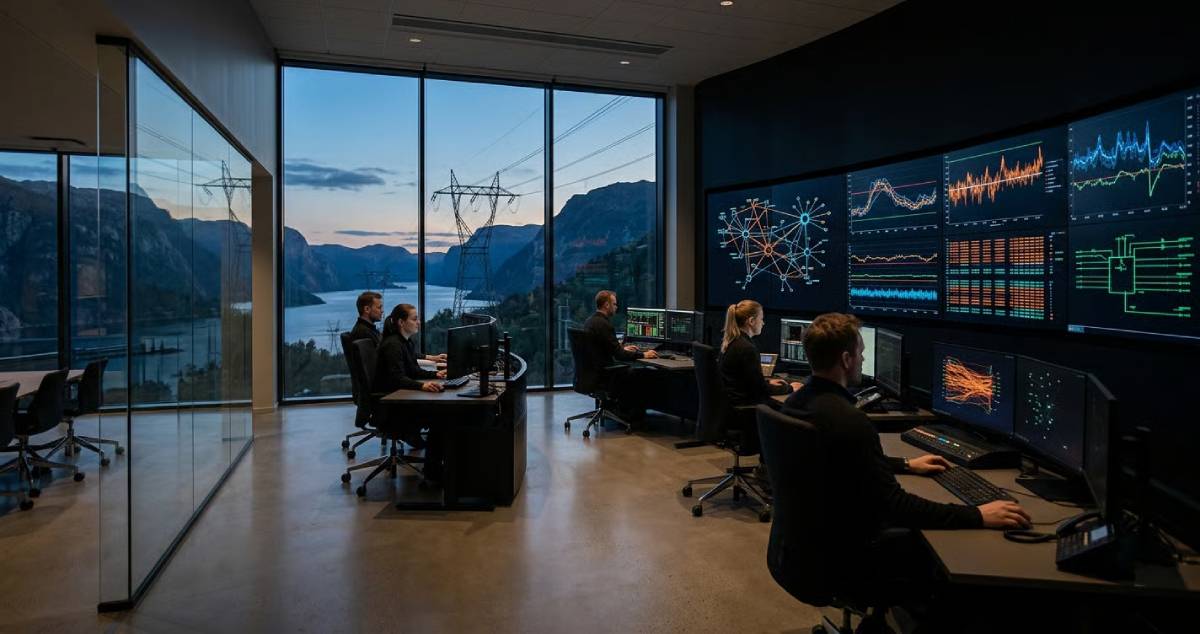
Image Source: Nordictech News

Fortum’s NOK 5.1 billion bid for Norwegian energy retailer Elmera has escalated into a high-stakes competitive struggle in the Nordic power market. The move signals intensifying consolidation in Europe’s energy sector as utilities reposition for grid modernization, retail expansion, and volatile pricing environments, with implications for regional energy security and investor sentiment.

Finnish energy major Fortum has tabled a NOK 5.1 billion offer to acquire Elmera Group, a Norwegian electricity retailer with a strong residential and SME customer base. The bid has triggered competitive pressure, as rival players and stakeholders assess counterstrategies in a tightening Nordic utilities landscape.

Elmera’s distribution network and customer contracts make it a strategic retail energy asset, particularly as power markets face volatility and regulatory transformation. Fortum’s move is seen as an effort to strengthen its downstream footprint and stabilize earnings amid fluctuating wholesale prices. Market reactions indicate potential counterbids or regulatory scrutiny ahead.

The Nordic energy sector is undergoing structural transformation driven by decarbonization targets, electrification of transport, and increased demand for grid flexibility. Utilities across the region are shifting from traditional generation-centric models toward integrated retail and distribution ecosystems.

Historically, energy markets in Norway and Finland have been relatively stable and liberalized, encouraging cross-border consolidation among regional players. However, recent geopolitical tensions and energy price shocks in Europe have intensified the strategic importance of securing downstream customer bases.

Fortum has previously adjusted its portfolio to reduce exposure to riskier generation assets, making retail expansion a logical next step. Elmera’s position as a consumer-facing utility aligns with this shift, making the acquisition strategically significant in the broader European energy restructuring cycle.

Energy analysts view Fortum’s bid as part of a broader wave of consolidation in European utilities, where scale and customer reach are becoming critical competitive advantages. Experts note that retail energy businesses offer more predictable cash flows compared to wholesale generation, especially in volatile pricing environments.

Industry observers suggest that Elmera’s strong customer base makes it an attractive defensive asset, potentially drawing interest from additional bidders or infrastructure funds. Some analysts also highlight that Nordic regulators may closely examine the deal for market concentration risks.

Energy strategists emphasize that the transition to renewable-heavy grids requires utilities to secure flexible retail operations to balance demand and stabilize revenues. Fortum’s move is therefore seen as both defensive and expansionary in nature, aligning with long-term structural shifts in European energy markets.

For utilities, the transaction underscores the growing importance of downstream customer ownership in stabilizing revenue streams amid energy transition volatility. Investors are likely to reassess valuation models for retail-heavy versus generation-heavy energy companies.

If successful, Fortum’s acquisition could accelerate consolidation across the Nordic region, prompting rival utilities to pursue similar retail expansions. Consumers may experience indirect effects through pricing structures and service bundling innovations.

From a policy perspective, regulators may tighten oversight on cross-border energy consolidation to ensure market competitiveness and consumer protection. Governments balancing energy security and liberalized markets will likely scrutinize large-scale utility mergers more closely going forward.

The bid is expected to trigger competitive responses, including potential counteroffers or revised valuations for Elmera. Regulatory review processes in Norway and the broader Nordic region will play a decisive role in shaping the outcome. As energy transition pressures intensify, further consolidation across European utilities appears increasingly likely, with retail energy assets emerging as strategic acquisition targets.

Source: Nordictech News
Date: June 30, 2026

  • Featured tools
Alli AI
Free

Alli AI is an all-in-one, AI-powered SEO automation platform that streamlines on-page optimization, site auditing, speed improvements, schema generation, internal linking, and ranking insights.

#
SEO
Learn more
WellSaid Ai
Free

WellSaid AI is an advanced text-to-speech platform that transforms written text into lifelike, human-quality voiceovers.

#
Text to Speech
Learn more

Learn more about future of AI

Join 80,000+ Ai enthusiast getting weekly updates on exciting AI tools.
Thank you! Your submission has been received!
Oops! Something went wrong while submitting the form.

Nordic Power Shake Up Triggers Consolidation Battle

June 30, 2026

Finnish energy major Fortum has tabled a NOK 5.1 billion offer to acquire Elmera Group, a Norwegian electricity retailer with a strong residential and SME customer base.

Image Source: Nordictech News

Fortum’s NOK 5.1 billion bid for Norwegian energy retailer Elmera has escalated into a high-stakes competitive struggle in the Nordic power market. The move signals intensifying consolidation in Europe’s energy sector as utilities reposition for grid modernization, retail expansion, and volatile pricing environments, with implications for regional energy security and investor sentiment.

Finnish energy major Fortum has tabled a NOK 5.1 billion offer to acquire Elmera Group, a Norwegian electricity retailer with a strong residential and SME customer base. The bid has triggered competitive pressure, as rival players and stakeholders assess counterstrategies in a tightening Nordic utilities landscape.

Elmera’s distribution network and customer contracts make it a strategic retail energy asset, particularly as power markets face volatility and regulatory transformation. Fortum’s move is seen as an effort to strengthen its downstream footprint and stabilize earnings amid fluctuating wholesale prices. Market reactions indicate potential counterbids or regulatory scrutiny ahead.

The Nordic energy sector is undergoing structural transformation driven by decarbonization targets, electrification of transport, and increased demand for grid flexibility. Utilities across the region are shifting from traditional generation-centric models toward integrated retail and distribution ecosystems.

Historically, energy markets in Norway and Finland have been relatively stable and liberalized, encouraging cross-border consolidation among regional players. However, recent geopolitical tensions and energy price shocks in Europe have intensified the strategic importance of securing downstream customer bases.

Fortum has previously adjusted its portfolio to reduce exposure to riskier generation assets, making retail expansion a logical next step. Elmera’s position as a consumer-facing utility aligns with this shift, making the acquisition strategically significant in the broader European energy restructuring cycle.

Energy analysts view Fortum’s bid as part of a broader wave of consolidation in European utilities, where scale and customer reach are becoming critical competitive advantages. Experts note that retail energy businesses offer more predictable cash flows compared to wholesale generation, especially in volatile pricing environments.

Industry observers suggest that Elmera’s strong customer base makes it an attractive defensive asset, potentially drawing interest from additional bidders or infrastructure funds. Some analysts also highlight that Nordic regulators may closely examine the deal for market concentration risks.

Energy strategists emphasize that the transition to renewable-heavy grids requires utilities to secure flexible retail operations to balance demand and stabilize revenues. Fortum’s move is therefore seen as both defensive and expansionary in nature, aligning with long-term structural shifts in European energy markets.

For utilities, the transaction underscores the growing importance of downstream customer ownership in stabilizing revenue streams amid energy transition volatility. Investors are likely to reassess valuation models for retail-heavy versus generation-heavy energy companies.

If successful, Fortum’s acquisition could accelerate consolidation across the Nordic region, prompting rival utilities to pursue similar retail expansions. Consumers may experience indirect effects through pricing structures and service bundling innovations.

From a policy perspective, regulators may tighten oversight on cross-border energy consolidation to ensure market competitiveness and consumer protection. Governments balancing energy security and liberalized markets will likely scrutinize large-scale utility mergers more closely going forward.

The bid is expected to trigger competitive responses, including potential counteroffers or revised valuations for Elmera. Regulatory review processes in Norway and the broader Nordic region will play a decisive role in shaping the outcome. As energy transition pressures intensify, further consolidation across European utilities appears increasingly likely, with retail energy assets emerging as strategic acquisition targets.

Source: Nordictech News
Date: June 30, 2026

Promote Your Tool

Copy Embed Code

Similar Blogs

June 30, 2026
|

AI Cloud Giant Hits Valuation Surge

Modal Labs, founded by former Spotify engineer Erik Bernhardsson, has raised $355 million in Series C financing, valuing the AI cloud company at $4.65 billion.
Read more
June 30, 2026
|

Nordic Tech Signals Capital Surge

The Nordic tech ecosystem has witnessed a surge of activity, led by a major funding round for AI infrastructure company Modal, alongside growing momentum around “sovereign coding” frameworks that prioritise domestic control over critical software stacks.
Read more
June 30, 2026
|

Retail Audio Goes Generative AI

Tonada is positioning itself at the intersection of generative AI and retail experience design, developing systems that dynamically generate background music based on store context, customer behaviour, and brand identity.
Read more
June 30, 2026
|

Swiss Tech Targets Ski Aerodynamics

The AI-driven simulator uses computational modelling to analyse skier posture, motion dynamics, and air resistance under varying slope conditions.
Read more
June 30, 2026
|

Game Tech Goes Agentic with AI

The €1.3 million investment will accelerate Gridly’s transition from a traditional content management platform into an AI-enabled orchestration layer for game studios.
Read more
June 30, 2026
|

Nordic Privacy Clash Sparks Regulatory Backlash

Schibsted’s implementation of a “pay-or-okay” model requiring users to either consent to personalised advertising or pay for accesshas triggered formal complaints from privacy groups and consumer advocates.
Read more