
No$GBA Advances DS Emulation Technology

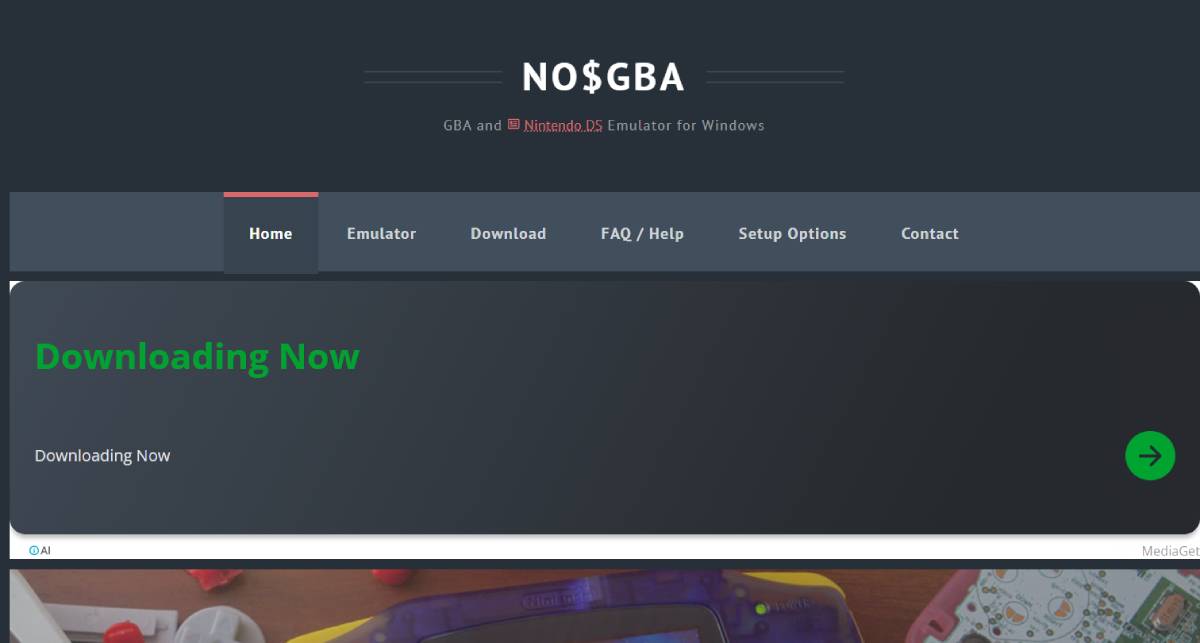
No$GBA has played a significant role in the evolution of Nintendo DS and Game Boy Advance emulation, providing users with tools to run legacy games on compatible systems.

July 27, 2026
|

No$GBA remains a notable name in the history of gaming emulation, reflecting the growing demand for software solutions that preserve and access classic digital experiences. The platform represents broader developments in gaming technology, software compatibility, and digital preservation, while highlighting ongoing discussions around intellectual property, innovation, and responsible emulator use.

No$GBA has played a significant role in the evolution of Nintendo DS and Game Boy Advance emulation, providing users with tools to run legacy games on compatible systems. The software attracted attention among gaming communities, developers, and digital preservation advocates due to its technical capabilities and compatibility features. Key stakeholders include gamers, emulator developers, hardware companies, and rights holders within the gaming industry. As interest in retro gaming continues to expand, platforms like No$GBA demonstrate the importance of preserving older gaming ecosystems while navigating legal and technological challenges.

The rise of gaming emulation reflects a broader transformation in how digital entertainment is preserved and accessed. Over the years, advancements in computing power and software development have enabled users to experience older gaming platforms through modern devices. No$GBA emerged during a period when demand for Game Boy Advance and Nintendo DS compatibility solutions was increasing among enthusiasts and preservation communities.

The growth of retro gaming markets, digital collections, and archival projects has renewed interest in older titles and gaming hardware. However, the industry continues to balance preservation efforts with concerns surrounding copyright protection, licensing, and the commercial interests of game publishers. This development aligns with a wider trend where technology is reshaping access to historical digital content.

Gaming analysts note that emulation technology has become an important part of digital preservation and gaming history research. Experts highlight that well-developed emulator software can help maintain access to older titles that may no longer be commercially available. While specific official statements from No$GBA developers may vary, industry observers recognize the platform’s technical contribution to Nintendo DS and Game Boy Advance compatibility.

Gaming professionals also emphasize that the future of emulation depends on balancing innovation with respect for intellectual property rights. As retro gaming continues gaining popularity, analysts expect continued discussion around preservation, licensing models, and how companies can support access to classic digital experiences.

For gaming companies, developments in emulation technology highlight opportunities and challenges in managing legacy content. Businesses may explore new approaches such as official retro collections, subscription services, and digital archives to meet consumer demand. Investors and technology leaders are monitoring the growing retro gaming sector as interest in classic titles increases. Policymakers face the challenge of protecting creative rights while encouraging digital preservation. The future relationship between publishers, developers, and emulator communities could influence how older games are maintained and experienced in the modern entertainment landscape.

The future of gaming preservation will likely focus on improved compatibility, official access models, and responsible technology development. Decision-makers will watch how the gaming industry approaches legacy content management and digital ownership. As retro gaming continues expanding globally, platforms like No$GBA represent the ongoing conversation between technological innovation, preservation, and intellectual property protection.

Source: AlternativeTo
Date: July 27, 2026

  • Featured tools
Hostinger Horizons
Freemium

Hostinger Horizons is an AI-powered platform that allows users to build and deploy custom web applications without writing code. It packs hosting, domain management and backend integration into a unified tool for rapid app creation.

#
Startup Tools
#
Coding
#
Project Management
Learn more
Neuron AI
Free

Neuron AI is an AI-driven content optimization platform that helps creators produce SEO-friendly content by combining semantic SEO, competitor analysis, and AI-assisted writing workflows.

#
SEO
Learn more

Learn more about future of AI

Join 80,000+ Ai enthusiast getting weekly updates on exciting AI tools.
Thank you! Your submission has been received!
Oops! Something went wrong while submitting the form.

No$GBA Advances DS Emulation Technology

July 27, 2026

No$GBA has played a significant role in the evolution of Nintendo DS and Game Boy Advance emulation, providing users with tools to run legacy games on compatible systems.

No$GBA remains a notable name in the history of gaming emulation, reflecting the growing demand for software solutions that preserve and access classic digital experiences. The platform represents broader developments in gaming technology, software compatibility, and digital preservation, while highlighting ongoing discussions around intellectual property, innovation, and responsible emulator use.

No$GBA has played a significant role in the evolution of Nintendo DS and Game Boy Advance emulation, providing users with tools to run legacy games on compatible systems. The software attracted attention among gaming communities, developers, and digital preservation advocates due to its technical capabilities and compatibility features. Key stakeholders include gamers, emulator developers, hardware companies, and rights holders within the gaming industry. As interest in retro gaming continues to expand, platforms like No$GBA demonstrate the importance of preserving older gaming ecosystems while navigating legal and technological challenges.

The rise of gaming emulation reflects a broader transformation in how digital entertainment is preserved and accessed. Over the years, advancements in computing power and software development have enabled users to experience older gaming platforms through modern devices. No$GBA emerged during a period when demand for Game Boy Advance and Nintendo DS compatibility solutions was increasing among enthusiasts and preservation communities.

The growth of retro gaming markets, digital collections, and archival projects has renewed interest in older titles and gaming hardware. However, the industry continues to balance preservation efforts with concerns surrounding copyright protection, licensing, and the commercial interests of game publishers. This development aligns with a wider trend where technology is reshaping access to historical digital content.

Gaming analysts note that emulation technology has become an important part of digital preservation and gaming history research. Experts highlight that well-developed emulator software can help maintain access to older titles that may no longer be commercially available. While specific official statements from No$GBA developers may vary, industry observers recognize the platform’s technical contribution to Nintendo DS and Game Boy Advance compatibility.

Gaming professionals also emphasize that the future of emulation depends on balancing innovation with respect for intellectual property rights. As retro gaming continues gaining popularity, analysts expect continued discussion around preservation, licensing models, and how companies can support access to classic digital experiences.

For gaming companies, developments in emulation technology highlight opportunities and challenges in managing legacy content. Businesses may explore new approaches such as official retro collections, subscription services, and digital archives to meet consumer demand. Investors and technology leaders are monitoring the growing retro gaming sector as interest in classic titles increases. Policymakers face the challenge of protecting creative rights while encouraging digital preservation. The future relationship between publishers, developers, and emulator communities could influence how older games are maintained and experienced in the modern entertainment landscape.

The future of gaming preservation will likely focus on improved compatibility, official access models, and responsible technology development. Decision-makers will watch how the gaming industry approaches legacy content management and digital ownership. As retro gaming continues expanding globally, platforms like No$GBA represent the ongoing conversation between technological innovation, preservation, and intellectual property protection.

Source: AlternativeTo
Date: July 27, 2026

Promote Your Tool

Copy Embed Code

Similar Blogs

July 27, 2026
|

Pykaso AI Drives Creative Automation

Pykaso AI operates within the growing AI creativity ecosystem, providing tools focused on simplifying content generation and visual production processes.
Read more
July 27, 2026
|

PrimeWire.li Reflects Streaming Platform Evolution

PrimeWire.li has been associated with online entertainment access, reflecting the popularity of digital platforms that allow users to explore movies and media content through internet-based services.
Read more
July 27, 2026
|

Email-Fake.com Expands Temporary Email Solutions

Email-Fake.com operates within the temporary email service segment, offering users the ability to generate short-term email addresses for online registrations and verification processes.
Read more
July 27, 2026
|

Watchug Expands Digital Entertainment Access

Watchug is recognized as an online platform focused on providing entertainment content access for digital users.
Read more
July 27, 2026
|

Speakeasy Speed Test Enhances Internet Measurement

Speakeasy Speed Test provides users with a simple way to measure internet download and upload speeds, supporting better visibility into network performance.
Read more
July 27, 2026
|

LBRY Advances Decentralized Content Sharing

LBRY has gained recognition as a decentralized content-sharing ecosystem designed to provide an alternative approach to traditional media platforms.
Read more