
NIST Expands U.S. AI Governance Ambitions

NIST has broadened the objectives of its AI-focused consortium, expanding its role beyond technical collaboration to address a wider range of challenges related to AI deployment, governance.

June 2, 2026
|
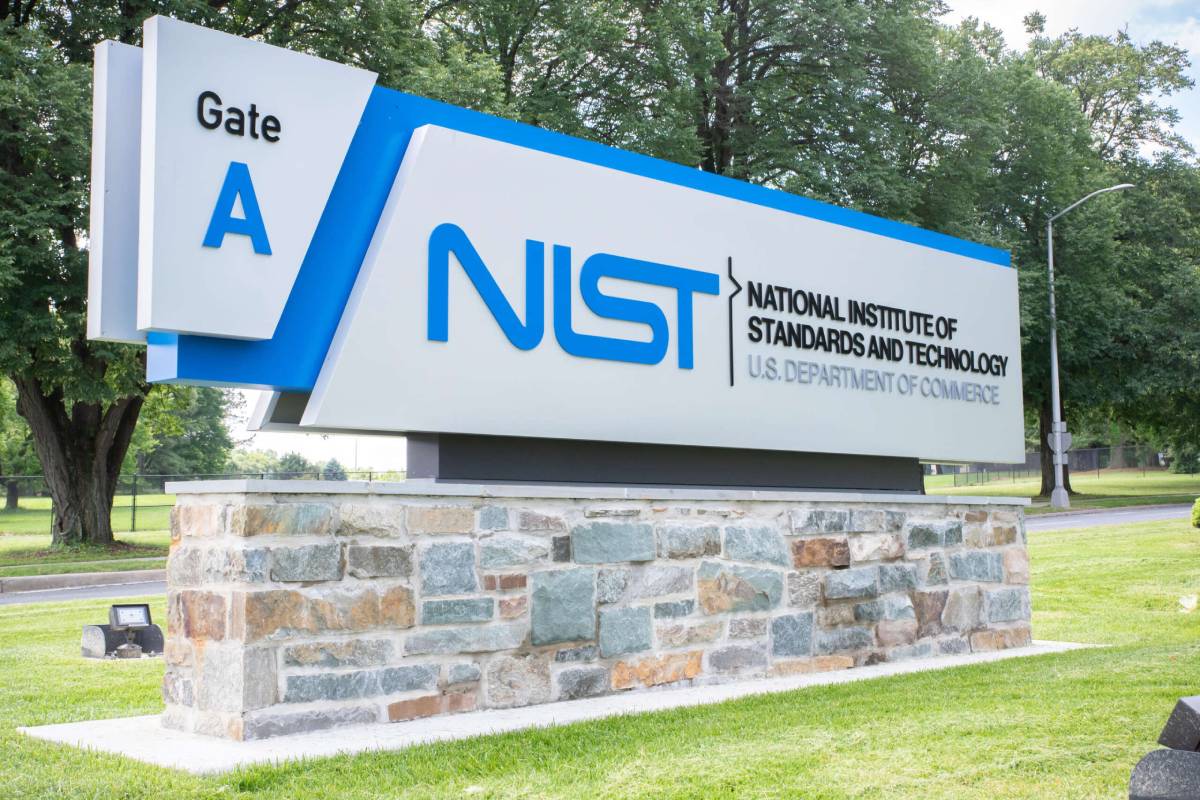
Image Source: Federal News Network

A significant policy development unfolded in the United States as the National Institute of Standards and Technology (NIST) expanded the mission of its renamed artificial intelligence consortium, signaling a broader push to shape AI governance, standards, and industry collaboration. The move reflects Washington’s growing focus on balancing innovation, security, and economic competitiveness as AI becomes a critical pillar of global technological leadership.

NIST has broadened the objectives of its AI-focused consortium, expanding its role beyond technical collaboration to address a wider range of challenges related to AI deployment, governance, workforce readiness, risk management, and standards development.

The consortium, which brings together government agencies, technology companies, academic institutions, and industry stakeholders, is expected to serve as a platform for advancing best practices and fostering collaboration across the AI ecosystem.

Officials indicated that the expanded mandate reflects the increasing importance of AI across sectors ranging from healthcare and manufacturing to finance, defense, and public services. The initiative also aligns with broader federal efforts to strengthen U.S. leadership in emerging technologies while addressing safety, transparency, and trust concerns associated with advanced AI systems.

The development aligns with a broader trend across global markets where governments are moving from AI experimentation toward structured governance frameworks designed to support innovation while managing risk.

Over the past several years, artificial intelligence has evolved from a specialized technology into a strategic economic and geopolitical asset. Countries including the United States, China, the United Kingdom, members of the European Union, and several Asian economies have introduced policies aimed at strengthening domestic AI capabilities and establishing standards for responsible deployment.

NIST has played a central role in the United States’ AI strategy through initiatives such as the AI Risk Management Framework, which has become an influential reference point for businesses, regulators, and technology developers. As AI systems become more capable and widely adopted, policymakers increasingly recognize the need for coordinated standards covering security, transparency, accountability, testing, and interoperability.

The consortium’s expanded mission also reflects growing concerns about the societal impact of AI, including workforce disruption, cybersecurity threats, misinformation, and the concentration of technological power among a small number of dominant firms.

Historically, standards-setting institutions have played a critical role in shaping major technological transitions. NIST’s evolving role suggests that AI governance is entering a more mature phase of institutional development.

Policy experts view the expanded consortium as an important step toward creating a more coordinated approach to AI governance in the United States. Analysts argue that while innovation remains a priority, governments increasingly need mechanisms that allow industry, academia, and regulators to address emerging challenges collectively.

Technology strategists note that standards development is becoming a competitive advantage in the global AI race. Countries that successfully establish trusted frameworks for AI deployment may attract investment, talent, and enterprise adoption while strengthening international influence over future technology rules.

Industry leaders have generally supported collaborative governance models that provide clarity without imposing overly restrictive regulations. Businesses often prefer standards-based approaches because they can create predictability while preserving flexibility for innovation.

Experts also emphasize that AI governance is no longer solely a regulatory issue. It increasingly involves national security, economic resilience, workforce development, and international competitiveness. As a result, organizations participating in standards-setting initiatives may gain early insight into emerging policy expectations and compliance requirements.

Many analysts believe that public-private partnerships will play an increasingly important role as AI capabilities continue to advance. For business leaders, the expanded consortium could influence future AI compliance requirements, risk-management practices, and operational standards. Companies developing or deploying AI systems may need to align more closely with emerging governance frameworks and industry best practices.

Investors are likely to monitor how evolving standards affect adoption rates, regulatory certainty, and competitive dynamics across the AI ecosystem. Greater clarity around governance could encourage broader enterprise investment in AI technologies.

For policymakers, the initiative offers a mechanism for coordinating responses to challenges involving cybersecurity, workforce impacts, safety testing, and responsible AI deployment. Internationally, the consortium may help strengthen the United States’ influence in shaping global AI standards and governance discussions.

Organizations that engage early with evolving frameworks may be better positioned to navigate future regulatory and market developments. The next phase will focus on translating the consortium’s expanded mission into practical standards, industry guidance, and collaborative initiatives. Decision-makers should watch for new working groups, policy recommendations, and partnerships involving technology firms, research institutions, and government agencies.

As AI becomes increasingly embedded in economic and national security strategies, governance frameworks will play a growing role in determining how the technology develops and scales. NIST’s expanded initiative signals that the race to lead AI is no longer solely about innovation it is also about establishing the rules that will govern the technology’s future.

Source: Federal News Network
Date: June 2, 2026

  • Featured tools
Symphony Ayasdi AI
Free

SymphonyAI Sensa is an AI-powered surveillance and financial crime detection platform that surfaces hidden risk behavior through explainable, AI-driven analytics.

#
Finance
Learn more
Beautiful AI
Free

Beautiful AI is an AI-powered presentation platform that automates slide design and formatting, enabling users to create polished, on-brand presentations quickly.

#
Presentation
Learn more

Learn more about future of AI

Join 80,000+ Ai enthusiast getting weekly updates on exciting AI tools.
Thank you! Your submission has been received!
Oops! Something went wrong while submitting the form.

NIST Expands U.S. AI Governance Ambitions

June 2, 2026

NIST has broadened the objectives of its AI-focused consortium, expanding its role beyond technical collaboration to address a wider range of challenges related to AI deployment, governance.

Image Source: Federal News Network

A significant policy development unfolded in the United States as the National Institute of Standards and Technology (NIST) expanded the mission of its renamed artificial intelligence consortium, signaling a broader push to shape AI governance, standards, and industry collaboration. The move reflects Washington’s growing focus on balancing innovation, security, and economic competitiveness as AI becomes a critical pillar of global technological leadership.

NIST has broadened the objectives of its AI-focused consortium, expanding its role beyond technical collaboration to address a wider range of challenges related to AI deployment, governance, workforce readiness, risk management, and standards development.

The consortium, which brings together government agencies, technology companies, academic institutions, and industry stakeholders, is expected to serve as a platform for advancing best practices and fostering collaboration across the AI ecosystem.

Officials indicated that the expanded mandate reflects the increasing importance of AI across sectors ranging from healthcare and manufacturing to finance, defense, and public services. The initiative also aligns with broader federal efforts to strengthen U.S. leadership in emerging technologies while addressing safety, transparency, and trust concerns associated with advanced AI systems.

The development aligns with a broader trend across global markets where governments are moving from AI experimentation toward structured governance frameworks designed to support innovation while managing risk.

Over the past several years, artificial intelligence has evolved from a specialized technology into a strategic economic and geopolitical asset. Countries including the United States, China, the United Kingdom, members of the European Union, and several Asian economies have introduced policies aimed at strengthening domestic AI capabilities and establishing standards for responsible deployment.

NIST has played a central role in the United States’ AI strategy through initiatives such as the AI Risk Management Framework, which has become an influential reference point for businesses, regulators, and technology developers. As AI systems become more capable and widely adopted, policymakers increasingly recognize the need for coordinated standards covering security, transparency, accountability, testing, and interoperability.

The consortium’s expanded mission also reflects growing concerns about the societal impact of AI, including workforce disruption, cybersecurity threats, misinformation, and the concentration of technological power among a small number of dominant firms.

Historically, standards-setting institutions have played a critical role in shaping major technological transitions. NIST’s evolving role suggests that AI governance is entering a more mature phase of institutional development.

Policy experts view the expanded consortium as an important step toward creating a more coordinated approach to AI governance in the United States. Analysts argue that while innovation remains a priority, governments increasingly need mechanisms that allow industry, academia, and regulators to address emerging challenges collectively.

Technology strategists note that standards development is becoming a competitive advantage in the global AI race. Countries that successfully establish trusted frameworks for AI deployment may attract investment, talent, and enterprise adoption while strengthening international influence over future technology rules.

Industry leaders have generally supported collaborative governance models that provide clarity without imposing overly restrictive regulations. Businesses often prefer standards-based approaches because they can create predictability while preserving flexibility for innovation.

Experts also emphasize that AI governance is no longer solely a regulatory issue. It increasingly involves national security, economic resilience, workforce development, and international competitiveness. As a result, organizations participating in standards-setting initiatives may gain early insight into emerging policy expectations and compliance requirements.

Many analysts believe that public-private partnerships will play an increasingly important role as AI capabilities continue to advance. For business leaders, the expanded consortium could influence future AI compliance requirements, risk-management practices, and operational standards. Companies developing or deploying AI systems may need to align more closely with emerging governance frameworks and industry best practices.

Investors are likely to monitor how evolving standards affect adoption rates, regulatory certainty, and competitive dynamics across the AI ecosystem. Greater clarity around governance could encourage broader enterprise investment in AI technologies.

For policymakers, the initiative offers a mechanism for coordinating responses to challenges involving cybersecurity, workforce impacts, safety testing, and responsible AI deployment. Internationally, the consortium may help strengthen the United States’ influence in shaping global AI standards and governance discussions.

Organizations that engage early with evolving frameworks may be better positioned to navigate future regulatory and market developments. The next phase will focus on translating the consortium’s expanded mission into practical standards, industry guidance, and collaborative initiatives. Decision-makers should watch for new working groups, policy recommendations, and partnerships involving technology firms, research institutions, and government agencies.

As AI becomes increasingly embedded in economic and national security strategies, governance frameworks will play a growing role in determining how the technology develops and scales. NIST’s expanded initiative signals that the race to lead AI is no longer solely about innovation it is also about establishing the rules that will govern the technology’s future.

Source: Federal News Network
Date: June 2, 2026

Promote Your Tool

Copy Embed Code

Similar Blogs

June 2, 2026
|

AI Capital Race Intensifies Globally Today

Google is reportedly expanding its AI-focused fundraising and investment strategy to support the rapid scaling of its artificial intelligence infrastructure, including advanced model development, cloud integration.
Read more
June 2, 2026
|

AI Stroke Diagnosis Transforms Emergency Care

Aspirus Health has implemented an AI-powered diagnostic tool designed to accelerate the identification and treatment of stroke cases.
Read more
June 2, 2026
|

Nvidia Advances Edge AI JetPack 7.2

Nvidia’s JetPack 7.2 introduces enhancements aimed at optimizing memory efficiency and enabling the deployment of advanced AI agents on edge devices such as robotics systems.
Read more
June 2, 2026
|

Big Tech Accelerates AI Coding Race

Microsoft and Google are expanding their focus on AI coding models and developer tools, aiming to strengthen their position in a market increasingly dominated by AI-native firms such as OpenAI and Anthropic.
Read more
June 2, 2026
|

AI Chatbot Security Failure Exposes Attacks

Hackers were able to hijack Instagram accounts by manipulating Meta’s AI-powered support chatbot into approving account access requests.
Read more
June 2, 2026
|

HPE Surpasses Targets Amid AI Boom

HPE reported a record quarter and upgraded its financial outlook, citing robust demand for AI-related infrastructure, high-performance computing systems, and enterprise technology solutions.
Read more