
Nike Expands European Retail Presence

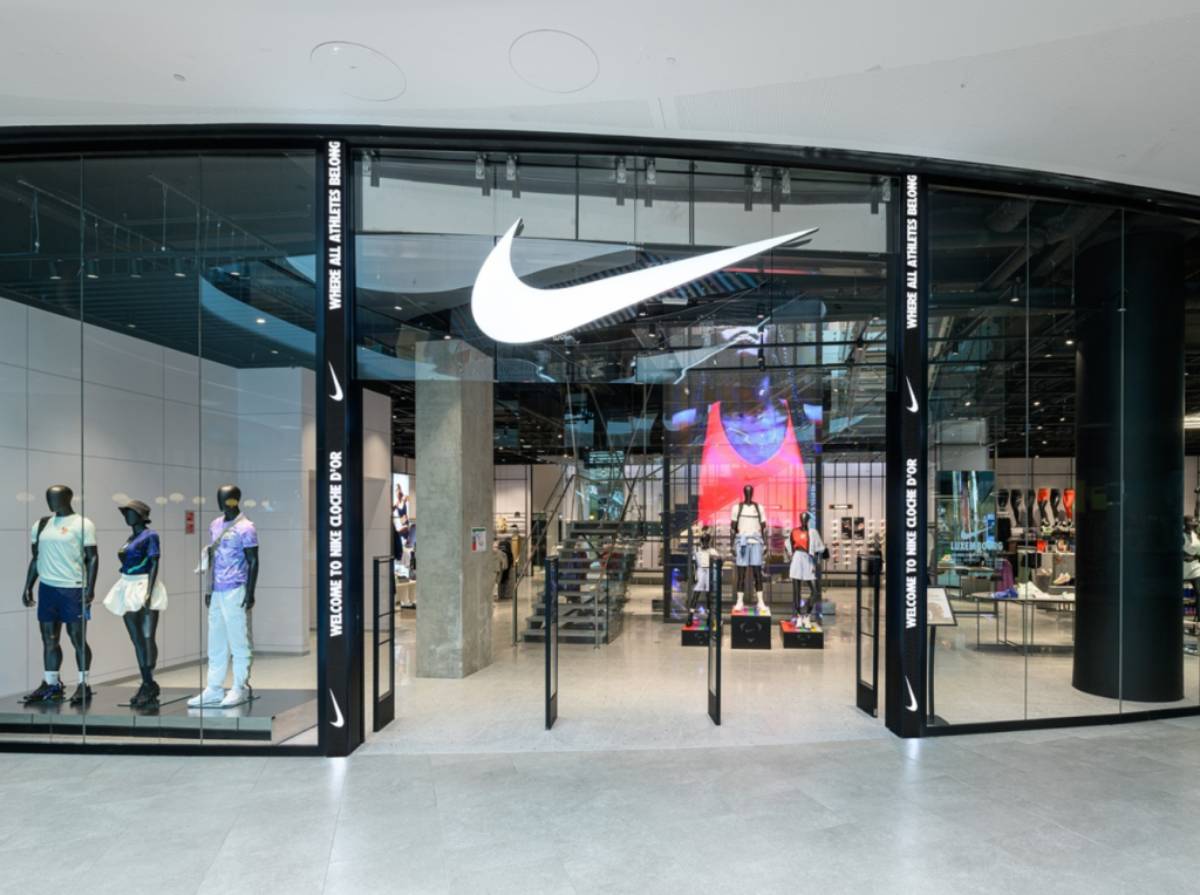
Nike’s inaugural standalone store in Luxembourg represents a significant milestone in the company’s regional retail strategy. The opening provides consumers with direct access to the brand’s footwear, apparel.

June 23, 2026
|
Image Source: Silicon Luxembourg

Global sportswear leader Nike has opened its first standalone retail store in Luxembourg, marking a strategic expansion in one of Europe’s affluent consumer markets. The move highlights the company’s continued investment in physical retail experiences despite the growing dominance of digital commerce and direct-to-consumer sales channels.

Nike’s inaugural standalone store in Luxembourg represents a significant milestone in the company’s regional retail strategy. The opening provides consumers with direct access to the brand’s footwear, apparel, and sports performance products through a dedicated retail environment.

The expansion strengthens Nike’s presence in a market characterized by high purchasing power, international demographics, and strong cross-border consumer activity. The launch also reflects broader efforts by global brands to optimize their European retail networks while enhancing customer engagement through experiential shopping formats.

The investment underscores confidence in Luxembourg’s retail sector and its role as a gateway to consumers across neighboring European markets. The opening comes at a time when global retailers are reassessing the balance between e-commerce growth and physical store expansion. While digital sales continue to represent a growing share of retail activity, many premium consumer brands are investing in flagship and standalone locations to strengthen brand visibility and customer engagement.

Nike has increasingly focused on direct-to-consumer strategies, reducing reliance on third-party retail partners and expanding proprietary sales channels. This approach enables greater control over customer relationships, data collection, and brand presentation.

Luxembourg’s strategic location in the heart of Europe makes it an attractive market for international retailers. Despite its relatively small population, the country benefits from high disposable incomes, a multinational workforce, and strong regional connectivity. The store opening reflects broader confidence in European consumer spending and the resilience of premium retail experiences.

Retail analysts view the expansion as part of a larger trend among global brands seeking to integrate physical and digital customer experiences. Experts argue that flagship and standalone stores increasingly serve as brand engagement hubs rather than purely transactional retail locations.

A consumer industry strategist noted that “physical retail remains a critical component of brand-building, particularly for premium and lifestyle companies seeking deeper customer connections.” Industry observers suggest that Nike’s Luxembourg investment aligns with broader efforts to create omnichannel ecosystems that seamlessly connect online and offline experiences.

Market experts also highlight Luxembourg’s attractiveness as a retail destination due to its affluent consumer base and cross-border shopper traffic. The store opening may encourage other international brands to evaluate similar expansion opportunities within the country and surrounding region.

For retailers, Nike’s expansion demonstrates that physical stores continue to play a strategic role in customer acquisition, loyalty, and brand differentiation. Companies may increasingly invest in experiential retail formats that complement digital commerce platforms.

For investors, the move signals confidence in European consumer markets despite ongoing economic uncertainties. It also reinforces the importance of omnichannel strategies in maintaining competitive advantage within the retail sector.

From a policy perspective, international retail investments contribute to local employment, commercial real estate demand, and economic activity. Luxembourg’s ability to attract global consumer brands may further strengthen its position as a business-friendly destination within Europe.

Looking ahead, market observers will watch whether Nike expands its regional retail footprint further while deepening integration between physical stores and digital platforms. Consumer engagement metrics, store performance, and local market response will be key indicators of success.

As retail continues to evolve, brands that successfully blend immersive in-store experiences with seamless digital services are expected to gain a competitive edge. Nike’s Luxembourg debut represents another step in that transformation.

Source: Silicon Luxembourg
Date: June 23, 2026

  • Featured tools
Tome AI
Free

Tome AI is an AI-powered storytelling and presentation tool designed to help users create compelling narratives and presentations quickly and efficiently. It leverages advanced AI technologies to generate content, images, and animations based on user input.

#
Presentation
#
Startup Tools
Learn more
Scalenut AI
Free

Scalenut AI is an all-in-one SEO content platform that combines AI-driven writing, keyword research, competitor insights, and optimization tools to help you plan, create, and rank content.

#
SEO
Learn more

Learn more about future of AI

Join 80,000+ Ai enthusiast getting weekly updates on exciting AI tools.
Thank you! Your submission has been received!
Oops! Something went wrong while submitting the form.

Nike Expands European Retail Presence

June 23, 2026

Nike’s inaugural standalone store in Luxembourg represents a significant milestone in the company’s regional retail strategy. The opening provides consumers with direct access to the brand’s footwear, apparel.

Image Source: Silicon Luxembourg

Global sportswear leader Nike has opened its first standalone retail store in Luxembourg, marking a strategic expansion in one of Europe’s affluent consumer markets. The move highlights the company’s continued investment in physical retail experiences despite the growing dominance of digital commerce and direct-to-consumer sales channels.

Nike’s inaugural standalone store in Luxembourg represents a significant milestone in the company’s regional retail strategy. The opening provides consumers with direct access to the brand’s footwear, apparel, and sports performance products through a dedicated retail environment.

The expansion strengthens Nike’s presence in a market characterized by high purchasing power, international demographics, and strong cross-border consumer activity. The launch also reflects broader efforts by global brands to optimize their European retail networks while enhancing customer engagement through experiential shopping formats.

The investment underscores confidence in Luxembourg’s retail sector and its role as a gateway to consumers across neighboring European markets. The opening comes at a time when global retailers are reassessing the balance between e-commerce growth and physical store expansion. While digital sales continue to represent a growing share of retail activity, many premium consumer brands are investing in flagship and standalone locations to strengthen brand visibility and customer engagement.

Nike has increasingly focused on direct-to-consumer strategies, reducing reliance on third-party retail partners and expanding proprietary sales channels. This approach enables greater control over customer relationships, data collection, and brand presentation.

Luxembourg’s strategic location in the heart of Europe makes it an attractive market for international retailers. Despite its relatively small population, the country benefits from high disposable incomes, a multinational workforce, and strong regional connectivity. The store opening reflects broader confidence in European consumer spending and the resilience of premium retail experiences.

Retail analysts view the expansion as part of a larger trend among global brands seeking to integrate physical and digital customer experiences. Experts argue that flagship and standalone stores increasingly serve as brand engagement hubs rather than purely transactional retail locations.

A consumer industry strategist noted that “physical retail remains a critical component of brand-building, particularly for premium and lifestyle companies seeking deeper customer connections.” Industry observers suggest that Nike’s Luxembourg investment aligns with broader efforts to create omnichannel ecosystems that seamlessly connect online and offline experiences.

Market experts also highlight Luxembourg’s attractiveness as a retail destination due to its affluent consumer base and cross-border shopper traffic. The store opening may encourage other international brands to evaluate similar expansion opportunities within the country and surrounding region.

For retailers, Nike’s expansion demonstrates that physical stores continue to play a strategic role in customer acquisition, loyalty, and brand differentiation. Companies may increasingly invest in experiential retail formats that complement digital commerce platforms.

For investors, the move signals confidence in European consumer markets despite ongoing economic uncertainties. It also reinforces the importance of omnichannel strategies in maintaining competitive advantage within the retail sector.

From a policy perspective, international retail investments contribute to local employment, commercial real estate demand, and economic activity. Luxembourg’s ability to attract global consumer brands may further strengthen its position as a business-friendly destination within Europe.

Looking ahead, market observers will watch whether Nike expands its regional retail footprint further while deepening integration between physical stores and digital platforms. Consumer engagement metrics, store performance, and local market response will be key indicators of success.

As retail continues to evolve, brands that successfully blend immersive in-store experiences with seamless digital services are expected to gain a competitive edge. Nike’s Luxembourg debut represents another step in that transformation.

Source: Silicon Luxembourg
Date: June 23, 2026

Promote Your Tool

Copy Embed Code

Similar Blogs

June 23, 2026
|

AI Commerce Set to Transform Retail

The discussion explores the growing role of AI agents capable of managing shopping tasks, comparing products, making recommendations, and potentially executing purchases with limited human intervention.
Read more
June 23, 2026
|

Luxembourg Accelerates AI Supercomputing Ambitions

The HPC Continuum 2026 conference showcased Luxembourg’s commitment to expanding its capabilities in high-performance computing, artificial intelligence, and advanced data infrastructure.
Read more
June 23, 2026
|

Luxembourg Strengthens Space Innovation Pipeline

The Luxembourg Space Café serves as a collaborative platform bringing together researchers, entrepreneurs, investors, policymakers, and industry stakeholders involved in the space sector.
Read more
June 23, 2026
|

Nike Expands European Retail Presence

Nike’s inaugural standalone store in Luxembourg represents a significant milestone in the company’s regional retail strategy. The opening provides consumers with direct access to the brand’s footwear, apparel.
Read more
June 23, 2026
|

Julie Payette Highlights Space Innovation Leadership

During Asteroid Day 2026 discussions, Julie Payette shared perspectives on the evolving role of space exploration, scientific research, and international cooperation in addressing future global challenges.
Read more
June 22, 2026
|

Switzerland Tests Digital Sovereignty Limits

The analysis examines Switzerland’s dependence on major global technology providers across cloud computing, productivity software, search infrastructure, and digital communications.
Read more