
NATO Backs Finland’s Autonomous Airships

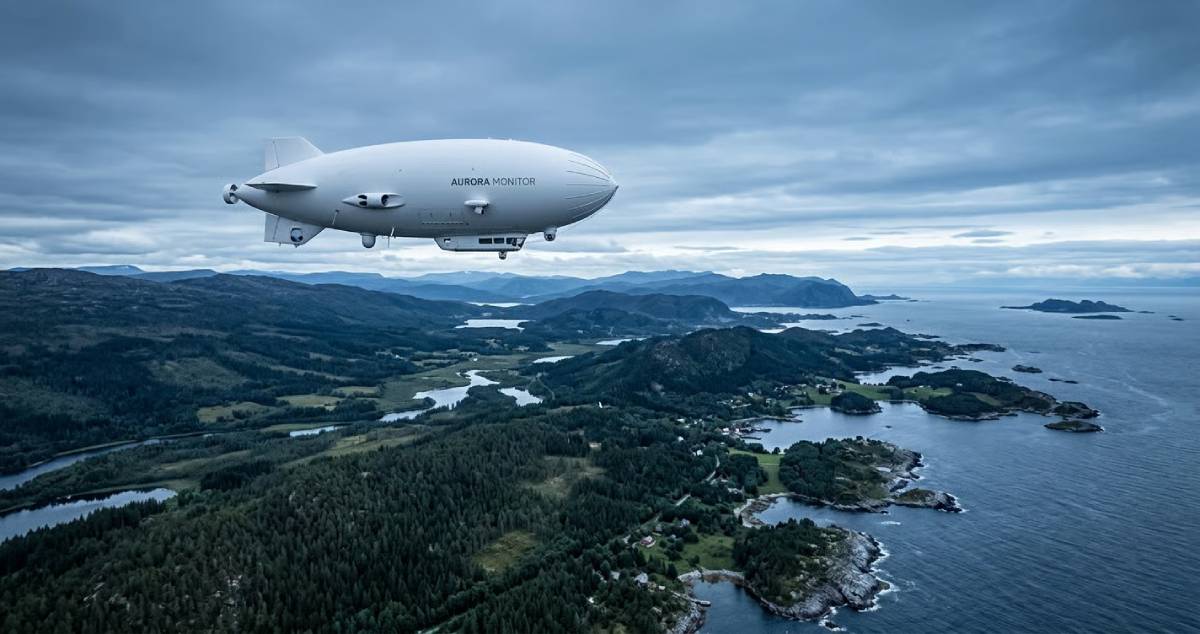
Finnish aerospace company Kelluu has secured €1.5 million in funding connected to NATO’s support for autonomous airship technology development.

July 29, 2026
|

A major development unfolded in Europe’s defence technology landscape as NATO backed Finland-based Kelluu’s autonomous airship technology, signalling a strategic shift toward persistent, low-cost intelligence and surveillance solutions. The move highlights growing military interest in autonomous systems that can strengthen border monitoring, situational awareness, and defence capabilities.

Finnish aerospace company Kelluu has secured €1.5 million in funding connected to NATO’s support for autonomous airship technology development. The company specialises in long-endurance, unmanned aerial platforms designed for intelligence, surveillance, and reconnaissance missions.

The investment represents one of NATO’s early strategic engagements with Finland’s emerging defence technology ecosystem following Finland’s membership in the alliance. Kelluu’s autonomous airships are designed to operate for extended periods while providing real-time data collection and monitoring capabilities.

The development reflects increasing defence sector demand for affordable, scalable alternatives to traditional surveillance aircraft and satellite-based systems. The development aligns with a broader global trend where defence organisations are rapidly adopting autonomous technologies to improve operational efficiency and resilience. Modern security challenges, including increased border tensions, hybrid threats, and the need for continuous monitoring, have accelerated demand for unmanned systems.

Finland’s geographic position near Russia and its extensive border infrastructure make advanced surveillance capabilities strategically important. Since joining NATO, Finland has become a key contributor to the alliance’s northern security framework.

Autonomous airships represent a different approach from conventional drones and aircraft by offering longer flight durations, lower operating costs, and the ability to provide persistent observation. As defence budgets expand globally, countries are exploring technologies that deliver enhanced intelligence capabilities without requiring expensive traditional platforms.

Defence technology analysts view autonomous surveillance platforms as an important component of future military operations. Experts suggest that systems capable of providing continuous intelligence with minimal human intervention could significantly improve decision-making and response times.

Kelluu’s technology demonstrates how smaller defence innovators are gaining attention within NATO’s broader innovation strategy. Rather than relying solely on large defence contractors, alliances are increasingly exploring partnerships with specialised technology companies developing agile solutions.

Industry observers note that autonomous airships could complement existing defence infrastructure by filling gaps between satellite observation, aircraft surveillance, and short-range drone operations. However, experts also highlight challenges related to cybersecurity, airspace regulation, operational reliability, and protection against electronic interference.

The success of these systems will depend on their ability to integrate effectively into wider defence networks. For defence companies and investors, Kelluu’s NATO-backed development highlights growing opportunities in autonomous aerospace technologies. Businesses involved in artificial intelligence, sensors, robotics, and advanced communications may see increased demand as governments modernise security infrastructure.

For policymakers, the rise of autonomous surveillance systems raises important questions around regulation, data management, and responsible deployment. NATO members may increasingly prioritise technologies that provide strategic advantages while maintaining cost efficiency.

The development also strengthens Finland’s position as an emerging defence innovation hub and demonstrates how smaller technology companies can contribute to major security initiatives.

Kelluu’s next steps will likely focus on expanding deployment capabilities, improving autonomous operations, and demonstrating real-world defence applications. Decision-makers should monitor how NATO integrates emerging technologies into its security framework and how other countries respond to Finland’s innovation momentum. As autonomous systems become central to modern defence strategies, partnerships between governments and technology startups will shape the future of military intelligence.

Source: Nordic Tech News
Date: Not specified

  • Featured tools
Scalenut AI
Free

Scalenut AI is an all-in-one SEO content platform that combines AI-driven writing, keyword research, competitor insights, and optimization tools to help you plan, create, and rank content.

#
SEO
Learn more
Hostinger Website Builder
Paid

Hostinger Website Builder is a drag-and-drop website creator bundled with hosting and AI-powered tools, designed for businesses, blogs and small shops with minimal technical effort.It makes launching a site fast and affordable, with templates, responsive design and built-in hosting all in one.

#
Productivity
#
Startup Tools
#
Ecommerce
Learn more

Learn more about future of AI

Join 80,000+ Ai enthusiast getting weekly updates on exciting AI tools.
Thank you! Your submission has been received!
Oops! Something went wrong while submitting the form.

NATO Backs Finland’s Autonomous Airships

July 29, 2026

Finnish aerospace company Kelluu has secured €1.5 million in funding connected to NATO’s support for autonomous airship technology development.

A major development unfolded in Europe’s defence technology landscape as NATO backed Finland-based Kelluu’s autonomous airship technology, signalling a strategic shift toward persistent, low-cost intelligence and surveillance solutions. The move highlights growing military interest in autonomous systems that can strengthen border monitoring, situational awareness, and defence capabilities.

Finnish aerospace company Kelluu has secured €1.5 million in funding connected to NATO’s support for autonomous airship technology development. The company specialises in long-endurance, unmanned aerial platforms designed for intelligence, surveillance, and reconnaissance missions.

The investment represents one of NATO’s early strategic engagements with Finland’s emerging defence technology ecosystem following Finland’s membership in the alliance. Kelluu’s autonomous airships are designed to operate for extended periods while providing real-time data collection and monitoring capabilities.

The development reflects increasing defence sector demand for affordable, scalable alternatives to traditional surveillance aircraft and satellite-based systems. The development aligns with a broader global trend where defence organisations are rapidly adopting autonomous technologies to improve operational efficiency and resilience. Modern security challenges, including increased border tensions, hybrid threats, and the need for continuous monitoring, have accelerated demand for unmanned systems.

Finland’s geographic position near Russia and its extensive border infrastructure make advanced surveillance capabilities strategically important. Since joining NATO, Finland has become a key contributor to the alliance’s northern security framework.

Autonomous airships represent a different approach from conventional drones and aircraft by offering longer flight durations, lower operating costs, and the ability to provide persistent observation. As defence budgets expand globally, countries are exploring technologies that deliver enhanced intelligence capabilities without requiring expensive traditional platforms.

Defence technology analysts view autonomous surveillance platforms as an important component of future military operations. Experts suggest that systems capable of providing continuous intelligence with minimal human intervention could significantly improve decision-making and response times.

Kelluu’s technology demonstrates how smaller defence innovators are gaining attention within NATO’s broader innovation strategy. Rather than relying solely on large defence contractors, alliances are increasingly exploring partnerships with specialised technology companies developing agile solutions.

Industry observers note that autonomous airships could complement existing defence infrastructure by filling gaps between satellite observation, aircraft surveillance, and short-range drone operations. However, experts also highlight challenges related to cybersecurity, airspace regulation, operational reliability, and protection against electronic interference.

The success of these systems will depend on their ability to integrate effectively into wider defence networks. For defence companies and investors, Kelluu’s NATO-backed development highlights growing opportunities in autonomous aerospace technologies. Businesses involved in artificial intelligence, sensors, robotics, and advanced communications may see increased demand as governments modernise security infrastructure.

For policymakers, the rise of autonomous surveillance systems raises important questions around regulation, data management, and responsible deployment. NATO members may increasingly prioritise technologies that provide strategic advantages while maintaining cost efficiency.

The development also strengthens Finland’s position as an emerging defence innovation hub and demonstrates how smaller technology companies can contribute to major security initiatives.

Kelluu’s next steps will likely focus on expanding deployment capabilities, improving autonomous operations, and demonstrating real-world defence applications. Decision-makers should monitor how NATO integrates emerging technologies into its security framework and how other countries respond to Finland’s innovation momentum. As autonomous systems become central to modern defence strategies, partnerships between governments and technology startups will shape the future of military intelligence.

Source: Nordic Tech News
Date: Not specified

Promote Your Tool

Copy Embed Code

Similar Blogs

August 14, 2026
|

Benefitfocus Expands Digital Benefits Administration

Benefitfocus provides cloud-based technology covering benefits enrollment, administration, communications, billing, payments and data exchange.
Read more
August 14, 2026
|

Travel Agent Revenue Models Evolve Digitally

Travel agencies can earn commissions when customers book hotels, cruises, tours, vacation packages and other travel products through them. Suppliers may pay agents for generating bookings, making commissions a traditional component of agency revenue.
Read more
August 14, 2026
|

Sofon Advances Guided Selling CPQ Automation

Sofon's platform combines guided selling, product configuration, pricing, quotation and sales-management capabilities. Guided questionnaires help sales teams identify customer requirements and translate them into suitable product configurations.
Read more
August 14, 2026
|

WellRyde Advances Medical Transportation Management

WellRyde provides technology for managing non-emergency medical transportation operations, including trip scheduling, dispatch coordination, transportation-provider management and reporting.
Read more
August 14, 2026
|

Review WAVE Advances Digital Patient Engagement

Review WAVE provides healthcare practices with tools for online appointment scheduling, two-way texting, automated appointment reminders, digital forms, web chat, marketing campaigns and online review generation.
Read more
August 14, 2026
|

Edgenuity Expands Digital Virtual Education

Edgenuity provides digital curriculum and learning solutions covering core academic subjects, electives, Advanced Placement and career-oriented education.
Read more