



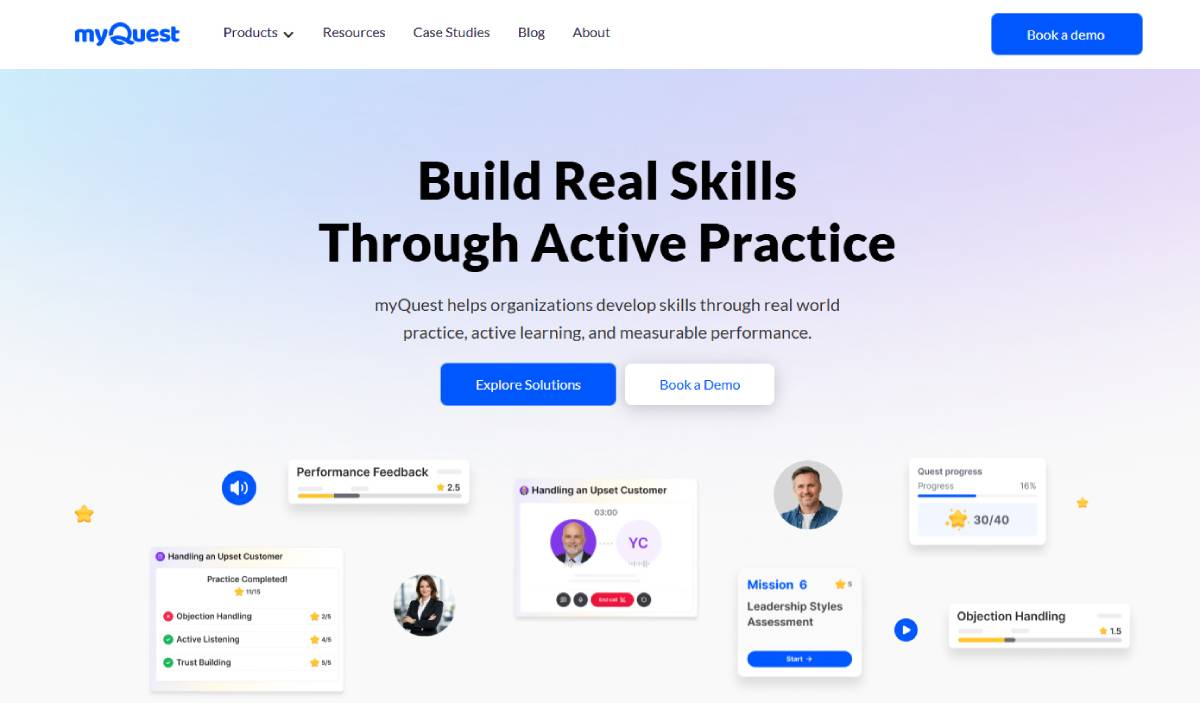
MyQuest reflects the growing adoption of digital platforms designed to improve workforce engagement, communication and organizational coordination. As businesses navigate distributed teams, changing employee expectations and increasing competition for talent, workplace technology is becoming a strategic priority. Such platforms can help organizations strengthen employee experiences while supporting more connected and productive work environments.
MyQuest operates within a broader market for employee-focused digital solutions that seek to connect workers with organizational resources, communication channels and engagement activities. The platform's relevance comes as employers increasingly look for technology that can support workforce participation and improve internal collaboration.
For business leaders, employee engagement technology is moving beyond traditional surveys and occasional initiatives toward more continuous digital interaction. Organizations are evaluating platforms based on usability, accessibility, communication capabilities and their ability to support employee participation.
The trend also reflects growing demand for centralized workplace tools that can help HR teams and managers understand workforce needs and strengthen organizational alignment.
The development aligns with a wider transformation in workplace management as organizations adapt to hybrid, remote and increasingly distributed operating models. Employees now interact with employers through a growing range of digital channels, making effective internal communication an important component of organizational performance.
Employee engagement has also become a strategic concern for executives. Retaining skilled workers, maintaining productivity and building organizational culture require businesses to understand employee expectations and provide effective mechanisms for communication and participation.
Technology is increasingly being used to support these objectives. Digital engagement platforms can help organizations centralize information, facilitate interaction and create more consistent employee experiences across locations.
At the same time, businesses must consider privacy, accessibility and responsible data management when implementing workforce technologies. The broader shift indicates that employee experience is becoming increasingly connected to enterprise technology strategy, particularly as organizations compete for talent in rapidly changing labor markets.
Workforce analysts increasingly emphasize that technology can strengthen employee engagement when it complements, rather than replaces, effective management and organizational culture. Digital tools may improve communication and accessibility, but their success ultimately depends on whether employees find them useful and relevant.
HR leaders are also placing greater emphasis on employee experience as a component of talent strategy. Platforms that make workplace interactions easier can potentially support stronger participation and help organizations maintain connections with employees across different working environments.
For executives, another important consideration is measurement. Engagement technology becomes more valuable when organizations can translate participation and feedback into actionable insights while protecting employee privacy.
The broader market therefore points toward integrated workforce solutions that combine communication, engagement and organizational coordination. Companies adopting such platforms will need to align technology deployment with clear workforce objectives, strong governance and a culture that encourages meaningful employee participation.
For businesses, employee engagement platforms can support stronger internal communication, workforce participation and organizational alignment. HR teams may gain additional tools for connecting employees with company initiatives, while managers can benefit from more consistent communication across distributed teams.
Investors may increasingly assess workforce technology as part of broader digital transformation and human-capital strategies. Organizations that effectively support employee experience could strengthen retention and productivity, although technology alone cannot guarantee these outcomes.
From a policy perspective, workforce platforms raise considerations around employee data privacy, cybersecurity and responsible monitoring. Employers must ensure that digital engagement practices remain transparent and appropriately governed.
For C-suite leaders, the key issue is strategic alignment: engagement technology should produce measurable workforce value while maintaining employee trust and regulatory compliance.
The employee engagement technology market is likely to continue evolving as organizations seek more connected and personalized workforce experiences. Decision-makers should monitor developments in AI-assisted engagement, employee analytics, workplace communication and privacy controls. The strongest platforms will likely be those that combine ease of use with meaningful insights while supporting organizational culture. For executives, digital engagement is increasingly becoming an important component of broader workforce and transformation strategies.
Source: Crozdesk
Date: August 11, 2026


