



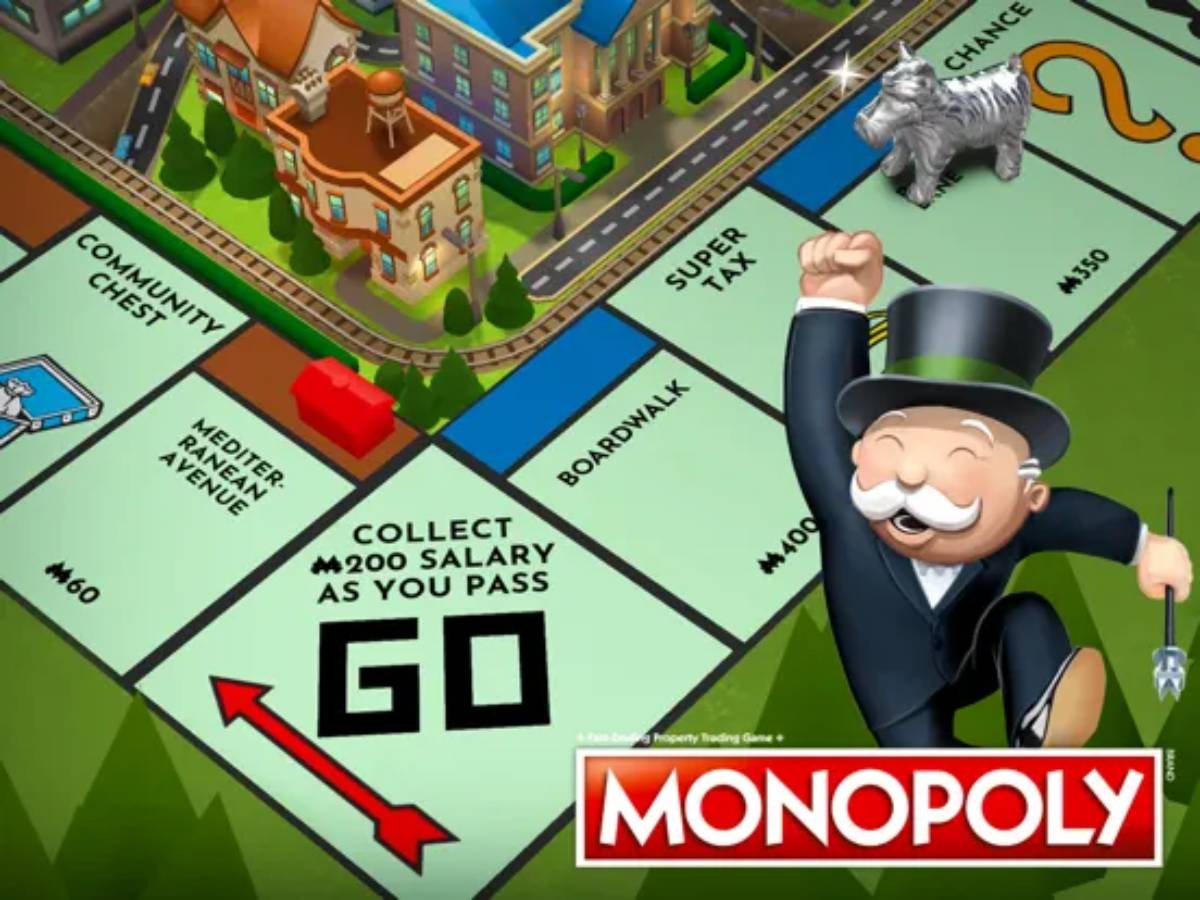
Monopoly continues to demonstrate the lasting commercial value of classic board games as digital entertainment platforms expand globally. The game's continued presence across physical and digital formats reflects evolving consumer preferences for cross-platform gaming experiences, creating opportunities for publishers, technology companies, and the broader interactive entertainment industry.
Monopoly remains one of the world's most recognizable board game franchises, with digital adaptations extending its reach across mobile devices, gaming consoles, PCs, and online multiplayer platforms. The game's continued popularity illustrates how established intellectual property can successfully transition into modern digital ecosystems.
Publishers continue investing in enhanced online gameplay, multiplayer functionality, cloud connectivity, and cross-platform accessibility to engage both longtime players and younger digital-native audiences. The franchise also benefits from licensing partnerships, branded editions, and digital storefront distribution, supporting recurring engagement and diversified revenue opportunities within the expanding global gaming market.
The global gaming industry has experienced sustained growth over the past decade, fueled by mobile gaming, cloud technologies, esports, subscription services, and expanding digital distribution channels. Within this landscape, legacy entertainment brands have increasingly adapted traditional products into digital experiences to remain competitive.
Monopoly exemplifies this trend by evolving from a century-old board game into a globally recognized multimedia franchise spanning physical products, digital games, mobile applications, and licensed entertainment.
The broader market reflects rising consumer demand for family-friendly multiplayer experiences that combine nostalgia with modern technology. Digital board games have gained renewed momentum as online connectivity enables remote social interaction and cross-device play.
For publishers, established intellectual property offers lower market-entry risk compared to launching entirely new franchises, making legacy brands valuable long-term assets within increasingly competitive gaming ecosystems.
Gaming industry analysts note that recognizable intellectual property remains one of the strongest competitive advantages in interactive entertainment. Established franchises such as Monopoly benefit from decades of brand recognition while continuing to attract new audiences through digital innovation.
Market experts observe that consumers increasingly value cross-platform accessibility, allowing seamless gameplay across smartphones, tablets, consoles, and PCs. This flexibility supports longer product lifecycles and recurring user engagement.
Industry observers also highlight the growing importance of licensing strategies, downloadable content, seasonal updates, and online multiplayer ecosystems in maintaining franchise relevance.
Although no new official announcement accompanies the platform's listing, analysts view Monopoly as an example of how traditional entertainment brands continue adapting successfully to evolving consumer expectations while preserving the familiarity that drives long-term customer loyalty.
For entertainment companies, Monopoly illustrates the commercial potential of revitalizing established intellectual property through digital transformation. Publishers may continue expanding classic franchises into subscription platforms, mobile ecosystems, cloud gaming services, and international digital marketplaces.
Investors monitoring interactive entertainment may see continued opportunities in companies with strong intellectual property portfolios capable of generating recurring digital revenue. Policymakers will remain focused on issues including digital consumer protection, online gaming standards, privacy regulations, and intellectual property enforcement as digital gaming ecosystems continue expanding globally.
Executives should view franchise modernization as a strategic approach to sustaining long-term brand value. Looking ahead, Monopoly is expected to remain relevant through continued digital innovation, online multiplayer enhancements, cloud gaming integration, and expanded licensing opportunities. Industry leaders should monitor developments in artificial intelligence, immersive gaming technologies, and evolving consumer engagement models. As digital entertainment continues growing worldwide, established franchises with strong brand recognition are likely to maintain significant commercial value across multiple platforms.
Source: AlternativeTo
Date: July 23, 2026


