



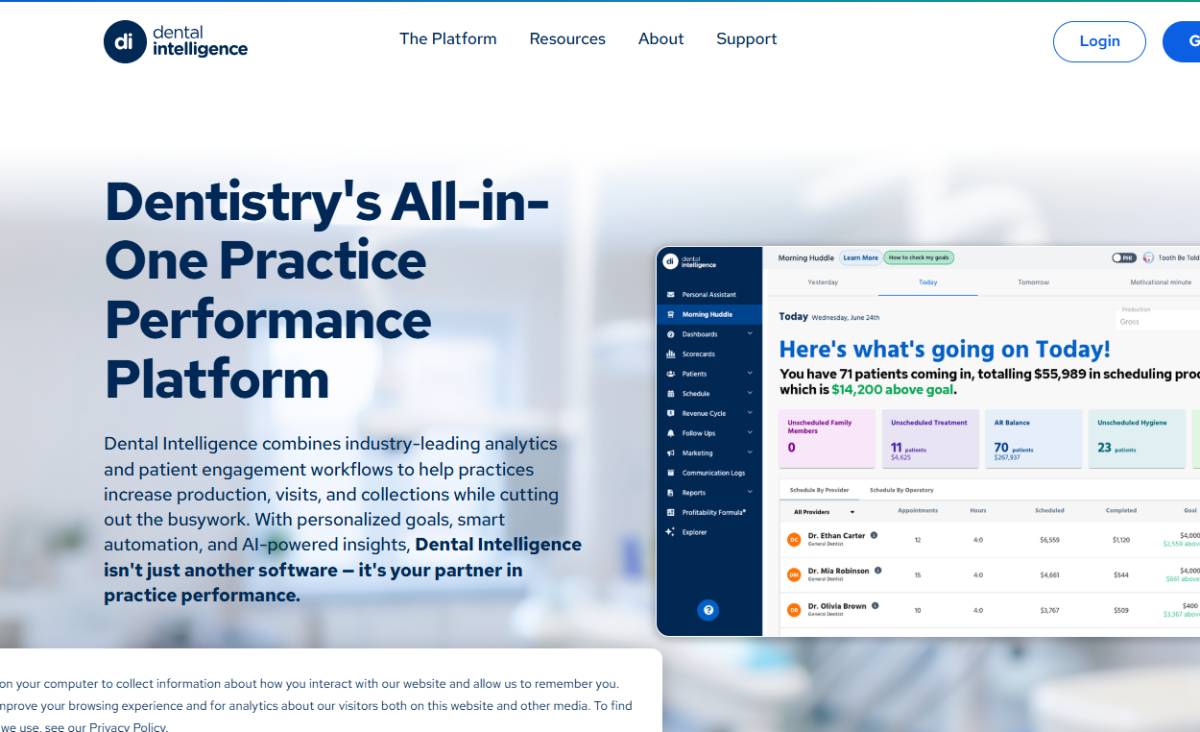
The healthcare technology sector continues to embrace digital transformation as dental practices invest in patient engagement and practice management solutions. Modento reflects the growing adoption of cloud-based healthcare platforms that streamline patient communication, automate administrative workflows, and improve operational efficiency while enhancing the overall patient experience.
Modento operates within the healthcare software and dental practice management market, providing tools for patient communication, appointment scheduling, automated reminders, digital forms, online reviews, messaging, and patient engagement. The platform helps dental providers improve operational efficiency while strengthening patient relationships through integrated digital services.
Key stakeholders include dental clinics, private practices, healthcare administrators, dentists, office managers, patients, and health technology providers. As healthcare organizations accelerate digital modernization, demand for cloud-based engagement platforms continues to rise.
The broader market is increasingly focused on workflow automation, mobile accessibility, patient self-service, and integrated healthcare communication technologies. Healthcare providers worldwide are investing in digital technologies to improve patient outcomes while reducing administrative burdens and operational costs. In dentistry, patient engagement has become a critical factor influencing appointment adherence, treatment acceptance, patient retention, and long-term practice growth.
This development aligns with a broader trend across global healthcare markets where providers are adopting cloud-based patient relationship management platforms to modernize care delivery and improve operational performance. Digital scheduling, automated reminders, secure messaging, electronic documentation, and online patient portals have become standard components of modern healthcare infrastructure.
Historically, dental practices relied heavily on manual scheduling systems and paper-based administrative processes that limited efficiency and patient communication. Today's integrated healthcare platforms combine scheduling, communication, analytics, reputation management, and patient engagement into unified ecosystems, enabling providers to deliver more personalized, efficient, and digitally connected care experiences.
Healthcare technology analysts believe patient engagement platforms will remain a significant investment priority as providers seek to improve operational performance while delivering more personalized healthcare experiences. Experts note that digital communication tools help reduce missed appointments, increase patient satisfaction, and strengthen long-term provider-patient relationships.
Industry specialists also expect artificial intelligence to play a growing role in healthcare engagement software. AI-powered appointment optimization, automated patient communication, predictive scheduling, intelligent follow-ups, and workflow automation are expected to improve administrative efficiency while allowing healthcare professionals to focus more on patient care.
Analysts further emphasize that healthcare organizations increasingly evaluate digital platforms based on interoperability, cybersecurity, regulatory compliance, scalability, and integration with electronic health record (EHR) systems and other clinical technologies.
For healthcare providers, patient engagement platforms improve operational efficiency, strengthen patient communication, reduce administrative workloads, and support higher-quality care delivery. Enhanced digital workflows can also contribute to better appointment management and improved patient retention.
Investors continue to view healthcare technology as a resilient growth sector, driven by increasing digital adoption, aging populations, and rising demand for efficient care delivery. Policymakers are reinforcing regulations around patient data privacy, cybersecurity, digital health interoperability, and healthcare information governance.
For healthcare executives, investing in modern patient engagement solutions has become a strategic priority for improving operational resilience, patient satisfaction, and long-term practice growth.
The future of dental practice technology will increasingly be shaped by artificial intelligence, cloud-native healthcare platforms, predictive analytics, and integrated patient engagement ecosystems. Decision-makers should monitor evolving healthcare regulations, cybersecurity requirements, interoperability standards, and digital health innovations. Organizations that successfully combine intelligent automation with personalized patient experiences will be better positioned to improve clinical outcomes, operational efficiency, and long-term competitiveness.
Source: Crozdesk
Date: August 3, 2026


