
Microsoft Expands AI Strategy Beyond OpenAI

Microsoft has debuted proprietary AI models designed to strengthen its in-house capabilities across enterprise software, cloud services, and AI-powered applications.

June 4, 2026
|
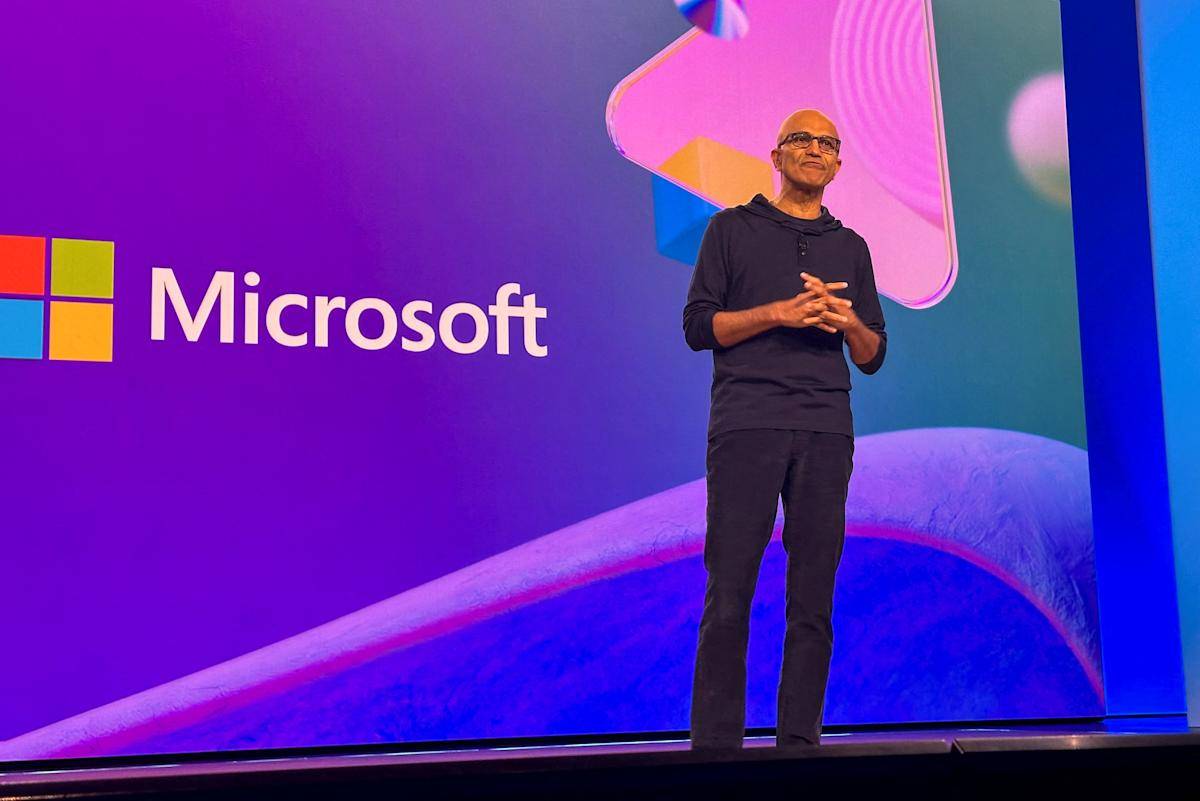
Image Source: Yahoo Finance

Microsoft has introduced a new suite of internally developed AI models, signaling a strategic effort to diversify its artificial intelligence capabilities and reduce dependence on external providers. The move reflects intensifying competition in the AI sector and highlights how major technology companies are seeking greater control over core AI infrastructure and innovation.

Microsoft has debuted proprietary AI models designed to strengthen its in-house capabilities across enterprise software, cloud services, and AI-powered applications. The initiative reportedly forms part of a broader strategy to reduce reliance on external model providers while expanding flexibility in product development.

The launch comes as the company continues investing heavily in AI infrastructure and enterprise AI solutions. By developing its own models, Microsoft gains greater control over performance optimization, deployment costs, and integration across its ecosystem.

The move also reflects a wider industry trend in which leading technology firms are building vertically integrated AI stacks spanning chips, infrastructure, models, and applications.

Microsoft’s decision to expand its internal AI model portfolio comes at a pivotal moment in the evolution of the artificial intelligence industry. Over the past several years, partnerships between cloud providers and AI developers have accelerated the commercialization of large language models and generative AI technologies.

However, as AI becomes increasingly central to business strategy, companies are seeking greater independence over critical technology assets. Proprietary models offer strategic advantages in cost management, customization, security, and product differentiation.

The development aligns with a broader trend across global markets where technology leaders are investing in every layer of the AI value chain. From semiconductor design and data center construction to foundation models and enterprise applications, firms are pursuing greater vertical integration to strengthen competitiveness.

Historically, control over foundational technologies has often translated into long-term market leadership, making AI model ownership a strategic priority for major industry players.

Industry analysts view Microsoft’s latest move as a natural evolution of its broader AI strategy. Experts note that while partnerships remain important, owning core AI technologies provides greater flexibility in responding to customer needs and changing market conditions.

Technology strategists argue that internal model development can improve efficiency, reduce dependence on external roadmaps, and create opportunities for tailored enterprise solutions. This is particularly important as organizations increasingly demand industry-specific AI capabilities and tighter integration with existing software environments.

Market observers also suggest that the move reflects growing competition among leading AI developers. As foundation models become more sophisticated and commercially significant, companies are seeking to differentiate through performance, cost efficiency, and ecosystem integration.

Analysts generally view the development as evidence that the AI industry is entering a new phase, where ownership of foundational capabilities is becoming as important as access to cutting-edge models.

For businesses, Microsoft’s expanded AI portfolio could provide additional choices for deploying enterprise AI solutions while potentially reducing costs and increasing customization options. Organizations may benefit from a broader range of models optimized for different operational needs.

For investors, the move demonstrates Microsoft’s commitment to long-term AI leadership and its determination to build strategic independence within a rapidly evolving market. Greater control over AI assets could strengthen competitive positioning and support future revenue growth.

From a policy perspective, increasing concentration of AI development among large technology companies may attract regulatory attention related to competition, market access, and responsible AI governance. Policymakers are likely to monitor how AI ecosystems evolve as major firms expand vertically integrated capabilities.

Attention will now focus on how Microsoft’s proprietary models perform relative to competing AI systems and how extensively they are integrated across the company’s products and services. Key indicators include enterprise adoption, cloud platform growth, and advancements in model efficiency. As competition intensifies across the AI sector, control over foundational technologies is expected to become an increasingly important determinant of market leadership and long-term strategic influence.

Source: Yahoo Finance
Date: June 4, 2026

  • Featured tools
Alli AI
Free

Alli AI is an all-in-one, AI-powered SEO automation platform that streamlines on-page optimization, site auditing, speed improvements, schema generation, internal linking, and ranking insights.

#
SEO
Learn more
Surfer AI
Free

Surfer AI is an AI-powered content creation assistant built into the Surfer SEO platform, designed to generate SEO-optimized articles from prompts, leveraging data from search results to inform tone, structure, and relevance.

#
SEO
Learn more

Learn more about future of AI

Join 80,000+ Ai enthusiast getting weekly updates on exciting AI tools.
Thank you! Your submission has been received!
Oops! Something went wrong while submitting the form.

Microsoft Expands AI Strategy Beyond OpenAI

June 4, 2026

Microsoft has debuted proprietary AI models designed to strengthen its in-house capabilities across enterprise software, cloud services, and AI-powered applications.

Image Source: Yahoo Finance

Microsoft has introduced a new suite of internally developed AI models, signaling a strategic effort to diversify its artificial intelligence capabilities and reduce dependence on external providers. The move reflects intensifying competition in the AI sector and highlights how major technology companies are seeking greater control over core AI infrastructure and innovation.

Microsoft has debuted proprietary AI models designed to strengthen its in-house capabilities across enterprise software, cloud services, and AI-powered applications. The initiative reportedly forms part of a broader strategy to reduce reliance on external model providers while expanding flexibility in product development.

The launch comes as the company continues investing heavily in AI infrastructure and enterprise AI solutions. By developing its own models, Microsoft gains greater control over performance optimization, deployment costs, and integration across its ecosystem.

The move also reflects a wider industry trend in which leading technology firms are building vertically integrated AI stacks spanning chips, infrastructure, models, and applications.

Microsoft’s decision to expand its internal AI model portfolio comes at a pivotal moment in the evolution of the artificial intelligence industry. Over the past several years, partnerships between cloud providers and AI developers have accelerated the commercialization of large language models and generative AI technologies.

However, as AI becomes increasingly central to business strategy, companies are seeking greater independence over critical technology assets. Proprietary models offer strategic advantages in cost management, customization, security, and product differentiation.

The development aligns with a broader trend across global markets where technology leaders are investing in every layer of the AI value chain. From semiconductor design and data center construction to foundation models and enterprise applications, firms are pursuing greater vertical integration to strengthen competitiveness.

Historically, control over foundational technologies has often translated into long-term market leadership, making AI model ownership a strategic priority for major industry players.

Industry analysts view Microsoft’s latest move as a natural evolution of its broader AI strategy. Experts note that while partnerships remain important, owning core AI technologies provides greater flexibility in responding to customer needs and changing market conditions.

Technology strategists argue that internal model development can improve efficiency, reduce dependence on external roadmaps, and create opportunities for tailored enterprise solutions. This is particularly important as organizations increasingly demand industry-specific AI capabilities and tighter integration with existing software environments.

Market observers also suggest that the move reflects growing competition among leading AI developers. As foundation models become more sophisticated and commercially significant, companies are seeking to differentiate through performance, cost efficiency, and ecosystem integration.

Analysts generally view the development as evidence that the AI industry is entering a new phase, where ownership of foundational capabilities is becoming as important as access to cutting-edge models.

For businesses, Microsoft’s expanded AI portfolio could provide additional choices for deploying enterprise AI solutions while potentially reducing costs and increasing customization options. Organizations may benefit from a broader range of models optimized for different operational needs.

For investors, the move demonstrates Microsoft’s commitment to long-term AI leadership and its determination to build strategic independence within a rapidly evolving market. Greater control over AI assets could strengthen competitive positioning and support future revenue growth.

From a policy perspective, increasing concentration of AI development among large technology companies may attract regulatory attention related to competition, market access, and responsible AI governance. Policymakers are likely to monitor how AI ecosystems evolve as major firms expand vertically integrated capabilities.

Attention will now focus on how Microsoft’s proprietary models perform relative to competing AI systems and how extensively they are integrated across the company’s products and services. Key indicators include enterprise adoption, cloud platform growth, and advancements in model efficiency. As competition intensifies across the AI sector, control over foundational technologies is expected to become an increasingly important determinant of market leadership and long-term strategic influence.

Source: Yahoo Finance
Date: June 4, 2026

Promote Your Tool

Copy Embed Code

Similar Blogs

June 22, 2026
|

Cross-Border Innovation Initiative Earns Recognition

QuattroPole, a cross-border network bringing together cities and stakeholders from multiple European regions, has been honored with a German project award recognizing its contribution to regional cooperation and innovation.
Read more
June 22, 2026
|

Space Biotech Venture Reaches ISS Milestone

The startup’s journey from early-stage research to an ISS mission represents a significant milestone in the commercialization of space-based biotechnology.
Read more
June 22, 2026
|

Luxembourg WineTech Startup Gains Global Recognition

Dolia, a startup based in Luxembourg, has been selected among the global finalists of the Wine Tech Challenge, an international competition focused on innovative solutions for the wine industry.
Read more
June 22, 2026
|

Luxembourg Strengthens Startup Ecosystem Growth

The 16th edition of the Fit 4 Start accelerator concluded with the graduation of 15 startups representing a range of technology-driven sectors.
Read more
June 22, 2026
|

Inclusive EdTech Innovation Gains Momentum

Magrid has emerged as an edtech solution designed to support early mathematics learning through a language-independent approach. Developed from academic research, the platform seeks to improve accessibility for children from diverse linguistic.
Read more
June 22, 2026
|

Luxembourg Advances National Data Space Initiative

The Luxembourg Data Space initiative aims to create a structured environment where organizations can securely exchange, access, and utilize data across sectors.
Read more