
Microsoft Boosts AI Leadership With Top Talent Hiring

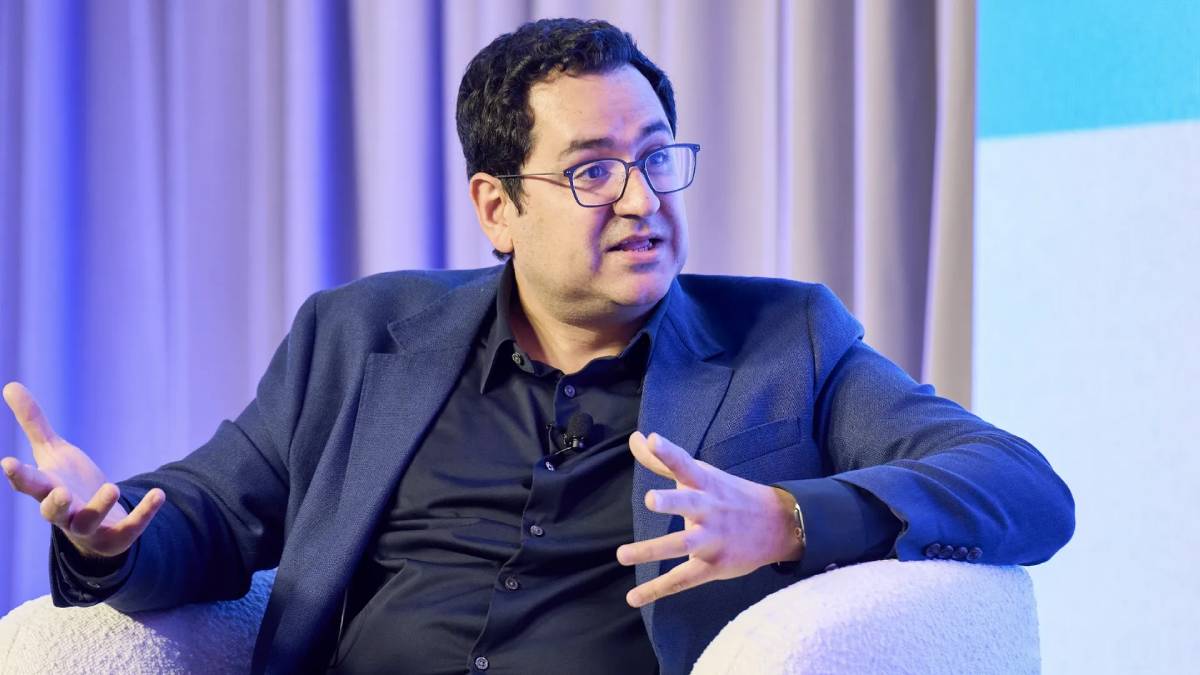
Microsoft has hired Ali Farhadi, former CEO of Allen Institute for AI (Ai2), along with a group of leading researchers, to join its expanding AI division. The hires will work under Mustafa Suleyman, who recently joined Microsoft to lead consumer-facing AI initiatives.

March 30, 2026
|

A major development unfolded as Microsoft recruited prominent researcher Ali Farhadi and key talent to bolster its artificial intelligence division under Mustafa Suleyman. The move signals an aggressive push to consolidate leadership in next-generation AI systems, with implications for global competition and enterprise adoption.

Microsoft has hired Ali Farhadi, former CEO of Allen Institute for AI (Ai2), along with a group of leading researchers, to join its expanding AI division. The hires will work under Mustafa Suleyman, who recently joined Microsoft to lead consumer-facing AI initiatives. The recruitment reflects Microsoft’s strategy to deepen its research capabilities while accelerating product integration across its ecosystem.

This talent acquisition comes amid intensifying competition with rivals such as Google and OpenAI, highlighting the growing importance of human capital in shaping technological leadership.

The development aligns with a broader trend across global markets where competition for elite AI talent has become a defining factor in technological leadership. As the industry matures, companies are increasingly investing not only in infrastructure but also in high-impact researchers capable of advancing core capabilities.

Microsoft has been at the forefront of this shift, leveraging strategic partnerships and internal investments to integrate AI across its product suite, including cloud computing, productivity software, and developer tools. The addition of Mustafa Suleyman earlier marked a significant pivot toward consumer-oriented AI experiences.

Geopolitically, talent concentration in a handful of leading firms primarily in the United States continues to shape the global innovation landscape. This dynamic raises questions around talent mobility, research openness, and the competitive balance between private enterprises and public institutions.

Industry analysts view Microsoft’s latest hires as a calculated move to strengthen its long-term research pipeline. Experts emphasize that while infrastructure and data remain critical, breakthrough innovation often depends on a small pool of highly skilled researchers.

Market observers suggest that Ali Farhadi’s expertise in computer vision and machine learning could enhance Microsoft’s capabilities in multimodal systems and real-world AI applications. Meanwhile, Mustafa Suleyman’s leadership is expected to bridge the gap between research and consumer-facing products.

Experts also note that such high-profile talent acquisitions can have ripple effects across the ecosystem, prompting competing firms to accelerate hiring, increase compensation, and invest more heavily in academic partnerships.

For global executives, Microsoft’s talent strategy underscores the importance of securing specialized expertise to remain competitive. Companies may need to rethink hiring models, invest in upskilling, and build closer ties with research institutions.

Investors are likely to interpret these moves as signals of long-term commitment to AI leadership, potentially influencing market sentiment and valuation dynamics. At a policy level, governments may intensify efforts to retain domestic talent and attract global researchers through immigration reforms and funding initiatives. The growing concentration of expertise within a few tech giants could also prompt regulatory scrutiny around competition and innovation access.

Looking ahead, Microsoft’s ability to translate research talent into scalable products will be critical. As competition intensifies, further talent movements and strategic hires are expected across the industry.

Decision-makers should monitor how effectively companies integrate research breakthroughs into commercial offerings. The next phase of the AI race will likely be shaped as much by people as by technology itself.

Source: GeekWire
Date: March 24, 2026

  • Featured tools
Surfer AI
Free

Surfer AI is an AI-powered content creation assistant built into the Surfer SEO platform, designed to generate SEO-optimized articles from prompts, leveraging data from search results to inform tone, structure, and relevance.

#
SEO
Learn more
Figstack AI
Free

Figstack AI is an intelligent assistant for developers that explains code, generates docstrings, converts code between languages, and analyzes time complexity helping you work smarter, not harder.

#
Coding
Learn more

Learn more about future of AI

Join 80,000+ Ai enthusiast getting weekly updates on exciting AI tools.
Thank you! Your submission has been received!
Oops! Something went wrong while submitting the form.

Microsoft Boosts AI Leadership With Top Talent Hiring

March 30, 2026

Microsoft has hired Ali Farhadi, former CEO of Allen Institute for AI (Ai2), along with a group of leading researchers, to join its expanding AI division. The hires will work under Mustafa Suleyman, who recently joined Microsoft to lead consumer-facing AI initiatives.

A major development unfolded as Microsoft recruited prominent researcher Ali Farhadi and key talent to bolster its artificial intelligence division under Mustafa Suleyman. The move signals an aggressive push to consolidate leadership in next-generation AI systems, with implications for global competition and enterprise adoption.

Microsoft has hired Ali Farhadi, former CEO of Allen Institute for AI (Ai2), along with a group of leading researchers, to join its expanding AI division. The hires will work under Mustafa Suleyman, who recently joined Microsoft to lead consumer-facing AI initiatives. The recruitment reflects Microsoft’s strategy to deepen its research capabilities while accelerating product integration across its ecosystem.

This talent acquisition comes amid intensifying competition with rivals such as Google and OpenAI, highlighting the growing importance of human capital in shaping technological leadership.

The development aligns with a broader trend across global markets where competition for elite AI talent has become a defining factor in technological leadership. As the industry matures, companies are increasingly investing not only in infrastructure but also in high-impact researchers capable of advancing core capabilities.

Microsoft has been at the forefront of this shift, leveraging strategic partnerships and internal investments to integrate AI across its product suite, including cloud computing, productivity software, and developer tools. The addition of Mustafa Suleyman earlier marked a significant pivot toward consumer-oriented AI experiences.

Geopolitically, talent concentration in a handful of leading firms primarily in the United States continues to shape the global innovation landscape. This dynamic raises questions around talent mobility, research openness, and the competitive balance between private enterprises and public institutions.

Industry analysts view Microsoft’s latest hires as a calculated move to strengthen its long-term research pipeline. Experts emphasize that while infrastructure and data remain critical, breakthrough innovation often depends on a small pool of highly skilled researchers.

Market observers suggest that Ali Farhadi’s expertise in computer vision and machine learning could enhance Microsoft’s capabilities in multimodal systems and real-world AI applications. Meanwhile, Mustafa Suleyman’s leadership is expected to bridge the gap between research and consumer-facing products.

Experts also note that such high-profile talent acquisitions can have ripple effects across the ecosystem, prompting competing firms to accelerate hiring, increase compensation, and invest more heavily in academic partnerships.

For global executives, Microsoft’s talent strategy underscores the importance of securing specialized expertise to remain competitive. Companies may need to rethink hiring models, invest in upskilling, and build closer ties with research institutions.

Investors are likely to interpret these moves as signals of long-term commitment to AI leadership, potentially influencing market sentiment and valuation dynamics. At a policy level, governments may intensify efforts to retain domestic talent and attract global researchers through immigration reforms and funding initiatives. The growing concentration of expertise within a few tech giants could also prompt regulatory scrutiny around competition and innovation access.

Looking ahead, Microsoft’s ability to translate research talent into scalable products will be critical. As competition intensifies, further talent movements and strategic hires are expected across the industry.

Decision-makers should monitor how effectively companies integrate research breakthroughs into commercial offerings. The next phase of the AI race will likely be shaped as much by people as by technology itself.

Source: GeekWire
Date: March 24, 2026

Promote Your Tool

Copy Embed Code

Similar Blogs

April 13, 2026
|

Rudi AI Emerges in Automation Space

Rudi-AI presents itself as an AI automation platform built around intelligent agents capable of executing structured tasks and supporting workflow optimization.
Read more
April 13, 2026
|

Manus AI Redefines Autonomous Workflows

Manus introduces an AI agent model designed to move beyond conversational assistance into task execution, workflow automation, and multi-step decision support.
Read more
April 13, 2026
|

Otter AI Reshapes Meeting Intelligence

Otter.ai continues to expand its position in the enterprise AI collaboration space by offering automated meeting transcription, summarization, and insight generation.
Read more
April 13, 2026
|

InVideo AI Expands Video Automation Platform

InVideo is positioning itself within the expanding generative AI ecosystem by offering tools that enable users to create videos through automated prompts and templates.
Read more
April 13, 2026
|

US Urged to Lead Global AI Race

Sundar Pichai stated in a televised interview that the United States should take a leading role in artificial intelligence development to ensure technological competitiveness and strategic advantage.
Read more
April 13, 2026
|

AI Megacap Valuation Reset Sparks Timing Debate

The stock part of the dominant group of large-cap U.S. technology firms often referred to as the “Magnificent Seven” has experienced renewed price pressure despite continued investor interest in artificial intelligence exposure.
Read more