
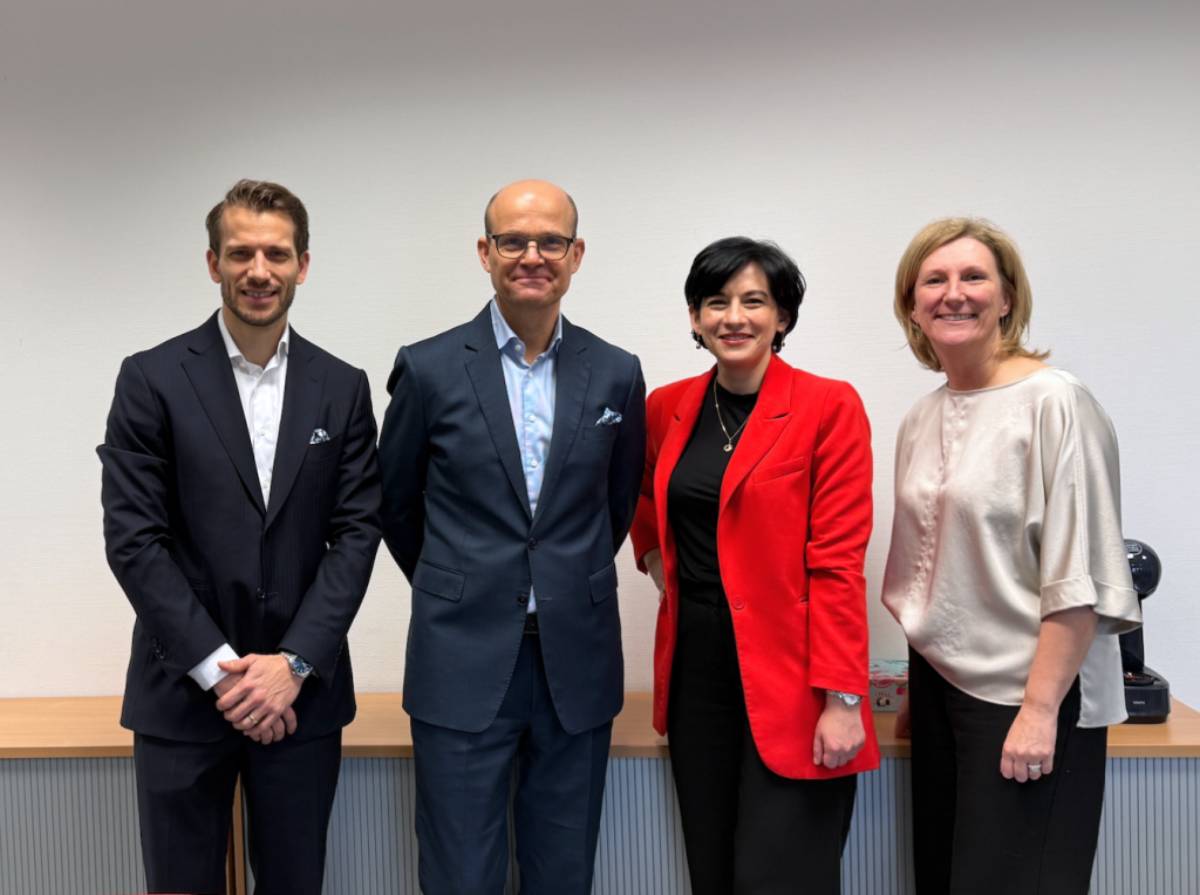
Microsoft Advances Luxembourgish AI Innovation

The partnership between Microsoft and the University of Luxembourg focuses on improving AI systems capable of understanding and processing the Luxembourgish language.

July 8, 2026
|
Image Source: Silicon Luxembourg

Microsoft and the University of Luxembourg have joined forces to strengthen artificial intelligence capabilities in the Luxembourgish language, marking a strategic step toward inclusive AI adoption. The collaboration aims to expand multilingual AI accessibility while supporting digital innovation, research, and public-sector transformation in one of Europe's leading technology hubs.

The partnership between Microsoft and the University of Luxembourg focuses on improving AI systems capable of understanding and processing the Luxembourgish language. The initiative seeks to enhance language models, promote local AI research, and encourage wider adoption of artificial intelligence across businesses, education, and public services.

By expanding support for a less widely represented language, the collaboration aims to ensure that AI technologies remain accessible and relevant to local communities. The project also strengthens Luxembourg's position as a growing center for AI innovation, digital research, and multilingual technology development within Europe.

The rapid growth of generative artificial intelligence has highlighted the importance of multilingual language models capable of supporting diverse linguistic communities. While major AI systems perform strongly in widely spoken languages, many smaller languages remain underrepresented due to limited training data and research investment.

Governments, universities, and technology companies are increasingly collaborating to preserve linguistic diversity while expanding AI accessibility. Luxembourg, with its multilingual society and strong digital economy, provides an ideal environment for advancing localized AI solutions.

The country has invested significantly in digital transformation, cybersecurity, cloud computing, and research infrastructure, positioning itself as an emerging European innovation hub. Supporting AI development in Luxembourgish aligns with broader efforts to ensure technological progress benefits all users regardless of language, while strengthening digital sovereignty and national innovation capacity.

Artificial intelligence specialists believe multilingual language models are essential for making AI more inclusive, accurate, and culturally relevant. Experts argue that localized AI improves communication, education, public administration, and customer engagement by enabling users to interact with technology in their native language.

Researchers also emphasize that collaboration between universities and global technology companies accelerates innovation by combining academic expertise with advanced computing infrastructure and AI development capabilities. Industry analysts note that projects supporting smaller languages contribute to broader advances in natural language processing while helping preserve linguistic diversity in the digital era. Experts further believe that expanding multilingual AI capabilities will strengthen trust, accessibility, and responsible adoption of artificial intelligence across both public and private sectors.

For businesses, enhanced AI support for the Luxembourgish language could improve customer service, digital communications, workplace productivity, and localized AI applications. Organizations operating in multilingual environments may benefit from more accurate language processing and broader adoption of AI-powered tools.

Investors are likely to view multilingual AI as an emerging area of innovation with increasing commercial relevance as global demand for localized digital solutions grows. Policymakers may also prioritize investments in AI research, digital infrastructure, and language preservation initiatives while strengthening collaboration between academia and industry. Such efforts could reinforce Luxembourg's position as a leader in responsible and inclusive AI innovation.

The collaboration is expected to accelerate AI development for the Luxembourgish language while encouraging broader multilingual innovation across Europe. Decision-makers should monitor advances in language model performance, research partnerships, regulatory developments, and enterprise adoption. As artificial intelligence becomes increasingly embedded in everyday life, inclusive language technologies will play a critical role in expanding digital participation and strengthening national innovation ecosystems.

Source: Silicon Luxembourg
Date:
July 2026

  • Featured tools
Hostinger Horizons
Freemium

Hostinger Horizons is an AI-powered platform that allows users to build and deploy custom web applications without writing code. It packs hosting, domain management and backend integration into a unified tool for rapid app creation.

#
Startup Tools
#
Coding
#
Project Management
Learn more
Alli AI
Free

Alli AI is an all-in-one, AI-powered SEO automation platform that streamlines on-page optimization, site auditing, speed improvements, schema generation, internal linking, and ranking insights.

#
SEO
Learn more

Learn more about future of AI

Join 80,000+ Ai enthusiast getting weekly updates on exciting AI tools.
Thank you! Your submission has been received!
Oops! Something went wrong while submitting the form.

Microsoft Advances Luxembourgish AI Innovation

July 8, 2026

The partnership between Microsoft and the University of Luxembourg focuses on improving AI systems capable of understanding and processing the Luxembourgish language.

Image Source: Silicon Luxembourg

Microsoft and the University of Luxembourg have joined forces to strengthen artificial intelligence capabilities in the Luxembourgish language, marking a strategic step toward inclusive AI adoption. The collaboration aims to expand multilingual AI accessibility while supporting digital innovation, research, and public-sector transformation in one of Europe's leading technology hubs.

The partnership between Microsoft and the University of Luxembourg focuses on improving AI systems capable of understanding and processing the Luxembourgish language. The initiative seeks to enhance language models, promote local AI research, and encourage wider adoption of artificial intelligence across businesses, education, and public services.

By expanding support for a less widely represented language, the collaboration aims to ensure that AI technologies remain accessible and relevant to local communities. The project also strengthens Luxembourg's position as a growing center for AI innovation, digital research, and multilingual technology development within Europe.

The rapid growth of generative artificial intelligence has highlighted the importance of multilingual language models capable of supporting diverse linguistic communities. While major AI systems perform strongly in widely spoken languages, many smaller languages remain underrepresented due to limited training data and research investment.

Governments, universities, and technology companies are increasingly collaborating to preserve linguistic diversity while expanding AI accessibility. Luxembourg, with its multilingual society and strong digital economy, provides an ideal environment for advancing localized AI solutions.

The country has invested significantly in digital transformation, cybersecurity, cloud computing, and research infrastructure, positioning itself as an emerging European innovation hub. Supporting AI development in Luxembourgish aligns with broader efforts to ensure technological progress benefits all users regardless of language, while strengthening digital sovereignty and national innovation capacity.

Artificial intelligence specialists believe multilingual language models are essential for making AI more inclusive, accurate, and culturally relevant. Experts argue that localized AI improves communication, education, public administration, and customer engagement by enabling users to interact with technology in their native language.

Researchers also emphasize that collaboration between universities and global technology companies accelerates innovation by combining academic expertise with advanced computing infrastructure and AI development capabilities. Industry analysts note that projects supporting smaller languages contribute to broader advances in natural language processing while helping preserve linguistic diversity in the digital era. Experts further believe that expanding multilingual AI capabilities will strengthen trust, accessibility, and responsible adoption of artificial intelligence across both public and private sectors.

For businesses, enhanced AI support for the Luxembourgish language could improve customer service, digital communications, workplace productivity, and localized AI applications. Organizations operating in multilingual environments may benefit from more accurate language processing and broader adoption of AI-powered tools.

Investors are likely to view multilingual AI as an emerging area of innovation with increasing commercial relevance as global demand for localized digital solutions grows. Policymakers may also prioritize investments in AI research, digital infrastructure, and language preservation initiatives while strengthening collaboration between academia and industry. Such efforts could reinforce Luxembourg's position as a leader in responsible and inclusive AI innovation.

The collaboration is expected to accelerate AI development for the Luxembourgish language while encouraging broader multilingual innovation across Europe. Decision-makers should monitor advances in language model performance, research partnerships, regulatory developments, and enterprise adoption. As artificial intelligence becomes increasingly embedded in everyday life, inclusive language technologies will play a critical role in expanding digital participation and strengthening national innovation ecosystems.

Source: Silicon Luxembourg
Date:
July 2026

Promote Your Tool

Copy Embed Code

Similar Blogs

July 13, 2026
|

Swiss Global Engagement Ahead World Cup

Swiss minister Martin Pfister is heading to the United States to support the national team during its World Cup quarter-final appearance. The visit represents an official presence at one of the world’s most watched sporting events.
Read more
July 13, 2026
|

France Challenges Swiss G7 Transparency Strategy

A French government official expressed disappointment with Switzerland’s handling of the G7 process, describing the approach as too closed and lacking broader consultation
Read more
July 13, 2026
|

Radiobotics Medimaps Build MSK AI Platform

Radiobotics and Medimaps are joining forces to build an integrated MSK AI platform that combines advanced imaging analysis with clinical decision-support capabilities.
Read more
July 13, 2026
|

Endform Raises €1.5M AI Testing

Endform has raised €1.5 million in seed funding to develop AI-driven solutions designed to improve software testing and quality assurance.
Read more
July 13, 2026
|

Peter Sarlin Launches Quantum AI Venture

Peter Sarlin has launched QuTwo, a company focused on advancing quantum computing capabilities and exploring their potential integration with artificial intelligence.
Read more
July 13, 2026
|

Agaton Raises $10M AI Sales Intelligence

Agaton has raised $10 million in seed funding to develop AI-powered sales intelligence technology aimed at helping companies improve revenue generation and customer engagement.
Read more