
Microsoft Accelerates AI Independence Strategy Shift

Microsoft is reportedly strengthening its proprietary AI ecosystem by investing across the full technology stack, including foundation models, AI infrastructure, developer tools, enterprise platforms.

June 8, 2026
|
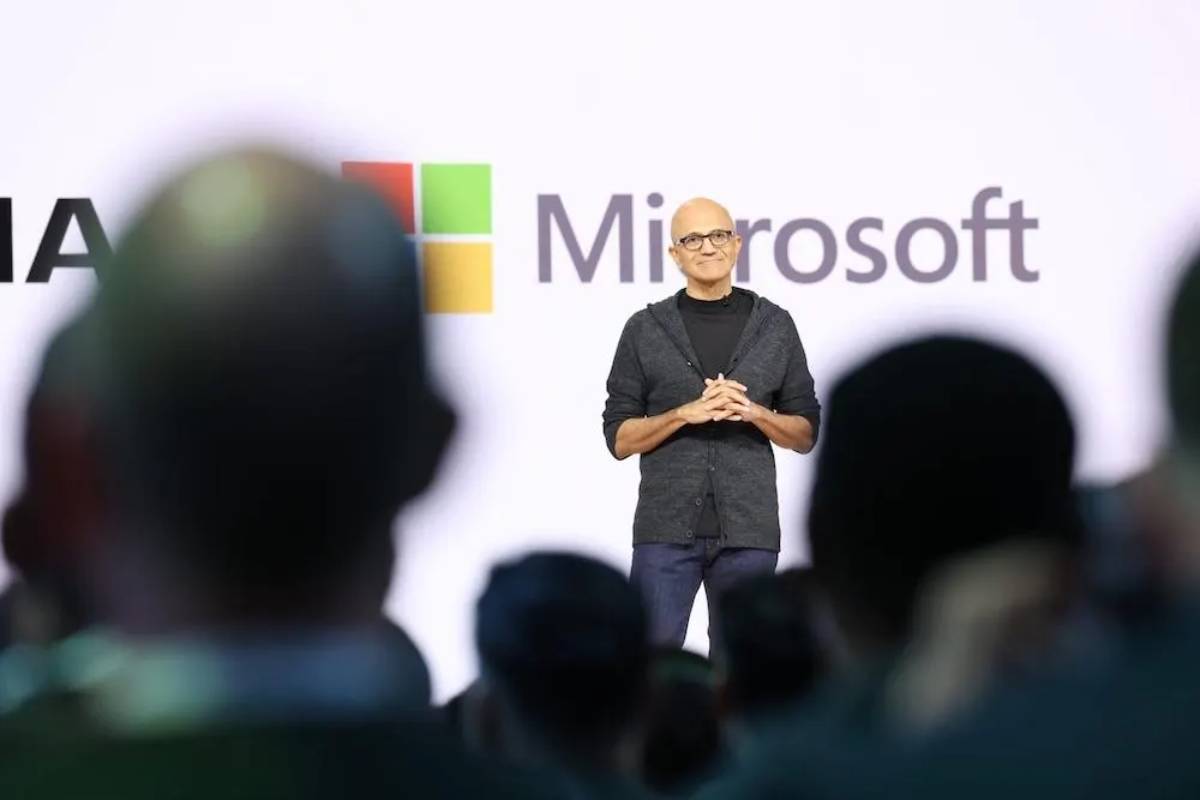
Image Source: Forbes

A significant shift is emerging in the global artificial intelligence landscape as Microsoft moves to expand its in-house AI capabilities and reduce reliance on external model providers. The strategy signals a broader evolution in the AI industry, where major technology firms are seeking greater control over infrastructure, models, and enterprise platforms amid intensifying competition and rising demand for AI services.

Microsoft is reportedly strengthening its proprietary AI ecosystem by investing across the full technology stack, including foundation models, AI infrastructure, developer tools, enterprise platforms, and cloud services. The initiative reflects a strategic effort to diversify beyond dependence on a single AI partner while maintaining flexibility in delivering AI capabilities to customers.

The company continues to integrate advanced AI features across its software portfolio, including productivity applications, cloud offerings, security solutions, and developer environments. At the same time, Microsoft is expanding support for multiple AI models and architectures within its cloud ecosystem.

Industry observers view this approach as part of a long-term effort to establish greater technological autonomy while positioning Azure as a central platform for enterprise AI deployment. The move also reflects growing competition among global technology providers seeking leadership in the next generation of AI infrastructure.

The development aligns with a broader trend across global markets where technology companies are pursuing vertical integration of AI capabilities. As generative AI becomes a foundational layer of digital transformation, firms increasingly recognize the strategic importance of controlling critical components of the AI value chain.

Historically, Microsoft's partnership with OpenAI helped accelerate the adoption of generative AI across enterprises and consumers. The collaboration enabled rapid deployment of advanced AI tools and established Microsoft as one of the leading beneficiaries of the generative AI boom.

However, the AI market has matured rapidly. Organizations now seek flexibility in choosing models based on performance, cost, security, and regulatory requirements. This has encouraged cloud providers to offer multi-model environments rather than relying exclusively on a single technology source.

The shift also reflects intensifying competition among major players including Microsoft, Google, Amazon, Meta, and emerging AI specialists. As AI infrastructure spending continues to rise, ownership of foundational technologies has become increasingly important for long-term competitiveness, profitability, and strategic resilience.

Industry analysts view Microsoft's evolving strategy as a natural progression for a company operating at the center of the global AI ecosystem. Experts argue that reducing dependence on any single technology provider improves bargaining power, operational flexibility, and resilience against future market disruptions.

Technology researchers note that enterprises increasingly prefer vendor ecosystems capable of supporting multiple models rather than locking customers into a single AI architecture. Microsoft's investments in proprietary models and AI services may therefore strengthen Azure's appeal among large corporate clients.

Market observers also emphasize the economic advantages of owning more of the AI stack. Proprietary infrastructure and software can improve margins, optimize performance, and reduce external licensing costs over time.

From an investor perspective, diversification of AI assets is often viewed as a prudent strategy. Analysts suggest that maintaining strong partnerships while simultaneously developing internal capabilities enables Microsoft to balance innovation speed with long-term strategic control.

The broader industry is closely watching how effectively Microsoft can execute this dual-track approach without disrupting existing ecosystem relationships. For enterprises, Microsoft's strategy could expand access to a wider range of AI solutions, allowing organizations to select models that best align with operational, compliance, and cost requirements. Greater model diversity may also reduce risks associated with supplier concentration.

Investors may view the initiative as a signal that the AI market is entering a new phase where platform ownership and ecosystem control become increasingly important drivers of value creation. Companies with end-to-end AI capabilities could gain competitive advantages in pricing, performance, and customer retention.

From a policy perspective, the trend highlights growing concerns around concentration in the AI sector. Regulators worldwide continue to evaluate competition, interoperability, and market access as AI becomes a critical component of national digital infrastructure.

For technology providers, the shift reinforces the importance of balancing strategic partnerships with internal innovation capabilities. The next stage of Microsoft's AI strategy will likely focus on expanding proprietary models, enhancing Azure's AI platform, and deepening integration across enterprise software products. Decision-makers will watch closely for new product launches, infrastructure investments, and ecosystem partnerships.

While collaboration remains an important part of the AI industry, the race for technological independence is accelerating. Microsoft's moves suggest that future AI leadership may belong not only to those building the best models, but also to those controlling the most comprehensive AI ecosystems.

Source: Forbes
Date:
June 7, 2026

  • Featured tools
Wonder AI
Free

Wonder AI is a versatile AI-powered creative platform that generates text, images, and audio with minimal input, designed for fast storytelling, visual creation, and audio content generation

#
Art Generator
Learn more
Beautiful AI
Free

Beautiful AI is an AI-powered presentation platform that automates slide design and formatting, enabling users to create polished, on-brand presentations quickly.

#
Presentation
Learn more

Learn more about future of AI

Join 80,000+ Ai enthusiast getting weekly updates on exciting AI tools.
Thank you! Your submission has been received!
Oops! Something went wrong while submitting the form.

Microsoft Accelerates AI Independence Strategy Shift

June 8, 2026

Microsoft is reportedly strengthening its proprietary AI ecosystem by investing across the full technology stack, including foundation models, AI infrastructure, developer tools, enterprise platforms.

Image Source: Forbes

A significant shift is emerging in the global artificial intelligence landscape as Microsoft moves to expand its in-house AI capabilities and reduce reliance on external model providers. The strategy signals a broader evolution in the AI industry, where major technology firms are seeking greater control over infrastructure, models, and enterprise platforms amid intensifying competition and rising demand for AI services.

Microsoft is reportedly strengthening its proprietary AI ecosystem by investing across the full technology stack, including foundation models, AI infrastructure, developer tools, enterprise platforms, and cloud services. The initiative reflects a strategic effort to diversify beyond dependence on a single AI partner while maintaining flexibility in delivering AI capabilities to customers.

The company continues to integrate advanced AI features across its software portfolio, including productivity applications, cloud offerings, security solutions, and developer environments. At the same time, Microsoft is expanding support for multiple AI models and architectures within its cloud ecosystem.

Industry observers view this approach as part of a long-term effort to establish greater technological autonomy while positioning Azure as a central platform for enterprise AI deployment. The move also reflects growing competition among global technology providers seeking leadership in the next generation of AI infrastructure.

The development aligns with a broader trend across global markets where technology companies are pursuing vertical integration of AI capabilities. As generative AI becomes a foundational layer of digital transformation, firms increasingly recognize the strategic importance of controlling critical components of the AI value chain.

Historically, Microsoft's partnership with OpenAI helped accelerate the adoption of generative AI across enterprises and consumers. The collaboration enabled rapid deployment of advanced AI tools and established Microsoft as one of the leading beneficiaries of the generative AI boom.

However, the AI market has matured rapidly. Organizations now seek flexibility in choosing models based on performance, cost, security, and regulatory requirements. This has encouraged cloud providers to offer multi-model environments rather than relying exclusively on a single technology source.

The shift also reflects intensifying competition among major players including Microsoft, Google, Amazon, Meta, and emerging AI specialists. As AI infrastructure spending continues to rise, ownership of foundational technologies has become increasingly important for long-term competitiveness, profitability, and strategic resilience.

Industry analysts view Microsoft's evolving strategy as a natural progression for a company operating at the center of the global AI ecosystem. Experts argue that reducing dependence on any single technology provider improves bargaining power, operational flexibility, and resilience against future market disruptions.

Technology researchers note that enterprises increasingly prefer vendor ecosystems capable of supporting multiple models rather than locking customers into a single AI architecture. Microsoft's investments in proprietary models and AI services may therefore strengthen Azure's appeal among large corporate clients.

Market observers also emphasize the economic advantages of owning more of the AI stack. Proprietary infrastructure and software can improve margins, optimize performance, and reduce external licensing costs over time.

From an investor perspective, diversification of AI assets is often viewed as a prudent strategy. Analysts suggest that maintaining strong partnerships while simultaneously developing internal capabilities enables Microsoft to balance innovation speed with long-term strategic control.

The broader industry is closely watching how effectively Microsoft can execute this dual-track approach without disrupting existing ecosystem relationships. For enterprises, Microsoft's strategy could expand access to a wider range of AI solutions, allowing organizations to select models that best align with operational, compliance, and cost requirements. Greater model diversity may also reduce risks associated with supplier concentration.

Investors may view the initiative as a signal that the AI market is entering a new phase where platform ownership and ecosystem control become increasingly important drivers of value creation. Companies with end-to-end AI capabilities could gain competitive advantages in pricing, performance, and customer retention.

From a policy perspective, the trend highlights growing concerns around concentration in the AI sector. Regulators worldwide continue to evaluate competition, interoperability, and market access as AI becomes a critical component of national digital infrastructure.

For technology providers, the shift reinforces the importance of balancing strategic partnerships with internal innovation capabilities. The next stage of Microsoft's AI strategy will likely focus on expanding proprietary models, enhancing Azure's AI platform, and deepening integration across enterprise software products. Decision-makers will watch closely for new product launches, infrastructure investments, and ecosystem partnerships.

While collaboration remains an important part of the AI industry, the race for technological independence is accelerating. Microsoft's moves suggest that future AI leadership may belong not only to those building the best models, but also to those controlling the most comprehensive AI ecosystems.

Source: Forbes
Date:
June 7, 2026

Promote Your Tool

Copy Embed Code

Similar Blogs

June 19, 2026
|

Apple iPhone Camera Controls Expand AI

The report outlines how users can modify or disable AI-assisted camera functions on Apple iPhone devices, particularly features that influence image processing and computational enhancements.
Read more
June 19, 2026
|

Samsung Expands Galaxy AI Controls Push

The guide details how users can adjust or disable AI-driven features on Samsung Galaxy smartphones, including tools integrated into Samsung Galaxy smartphones.
Read more
June 19, 2026
|

Google Expands Smart Home Ecosystem

The latest compilation of Google voice commands focuses on how users can interact with Google Assistant and connected smart home systems. Commands span entertainment, home automation, productivity, navigation.
Read more
June 19, 2026
|

AI Dating Apps Face User Backlash

Survey data indicates that while adoption of AI-based dating assistants and companion tools is increasing, user sentiment is becoming increasingly polarized.
Read more
June 19, 2026
|

Apple Signals Price Hikes Amid Cost Pressures

Apple CEO Tim Cook indicated that escalating costs tied to components such as memory, advanced processors, and logistics are becoming structurally embedded across the company’s manufacturing pipeline.
Read more
June 19, 2026
|

Adobe Embeds AI Assistants Across Tools

Adobe is positioning these assistants as task-oriented agents capable of handling repetitive editing workflows such as object removal.
Read more