
Meta Launches Private AI Chat on WhatsApp

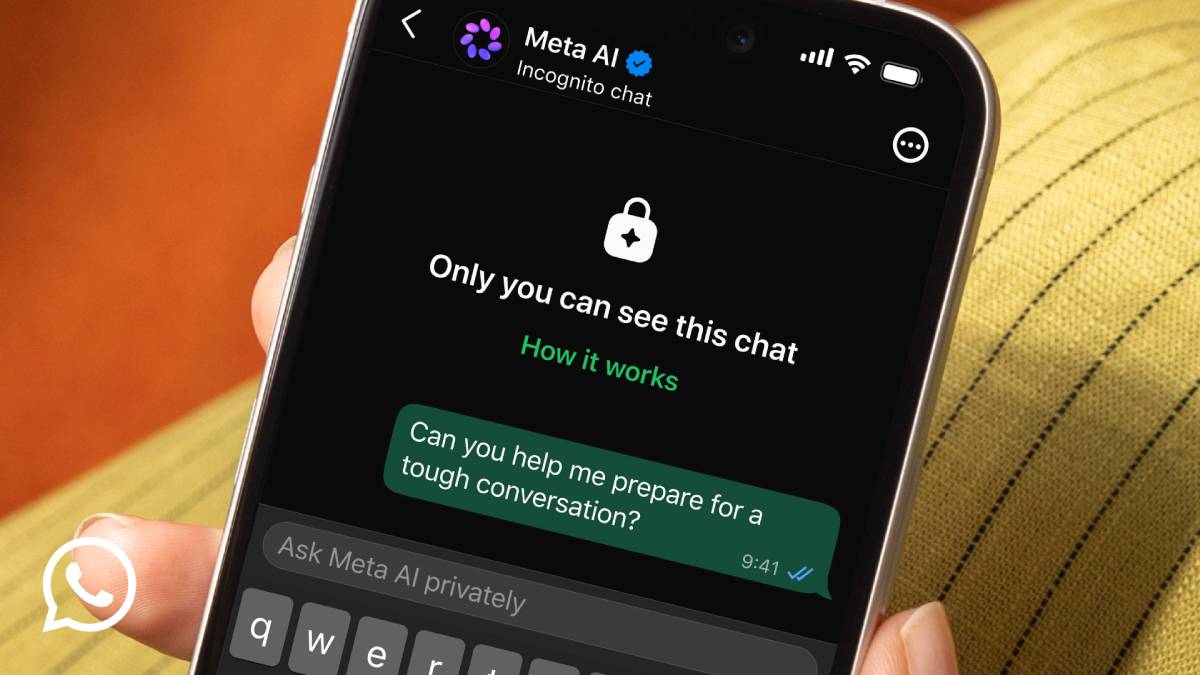
Meta announced a new private AI interaction model designed to allow users to communicate with Meta AI through WhatsApp in a more secure and confidential environment.

July 29, 2026
|
Image Source: Meta Newsroom

A major development in consumer artificial intelligence and digital privacy emerged as Meta introduced a new “Incognito Chat” capability for AI interactions on WhatsApp. The initiative signals a strategic effort to balance rapid AI adoption with growing global concerns around user privacy, data security, and regulatory scrutiny in digital communications.

Meta announced a new private AI interaction model designed to allow users to communicate with Meta AI through WhatsApp in a more secure and confidential environment. The feature aims to strengthen user trust by limiting how conversations are stored, processed, or linked to personal data.

The launch reflects Meta’s broader strategy to embed AI assistants across its ecosystem of messaging and social platforms while addressing intensifying public concern about surveillance, data harvesting, and AI transparency. The company positioned the feature as part of its commitment to privacy-focused AI experiences as consumer adoption accelerates globally.

The development arrives during heightened competition among major technology firms including Google, OpenAI, Apple, and Microsoft to integrate generative AI into mainstream consumer products.

Industry observers view the move as strategically important because messaging platforms represent one of the largest potential distribution channels for AI-powered digital assistants worldwide.

Meta’s announcement comes amid a broader transformation in how artificial intelligence is integrated into everyday digital communication. Messaging applications are increasingly becoming the frontline interface for AI assistants, replacing traditional search and app-navigation models with conversational interactions.

However, the rapid expansion of AI into personal communication channels has intensified scrutiny from regulators, privacy advocates, and cybersecurity experts. Governments across Europe, North America, and Asia are debating stricter rules governing how AI systems process user conversations, behavioral patterns, and sensitive personal information.

Meta, in particular, has faced years of regulatory pressure over privacy practices, targeted advertising systems, and data management policies. As a result, the company’s AI expansion strategy now requires balancing aggressive innovation with trust-building measures designed to reassure users and policymakers.

The launch also reflects an emerging market trend toward “private AI” infrastructure. Consumers and enterprises increasingly want AI systems capable of delivering advanced functionality without extensive cloud-based data exposure. This trend has accelerated as generative AI adoption expands into healthcare, finance, legal services, and personal communications.

At the same time, competition in the AI assistant market is intensifying rapidly. Technology firms are racing to establish dominant conversational ecosystems that could eventually redefine search, e-commerce, digital productivity, and customer engagement.

Meta framed the new feature as an important step toward creating safer and more trusted AI interactions within messaging environments. Company representatives emphasized that privacy protections will become increasingly critical as AI systems evolve into more personalized and context-aware assistants.

Technology analysts believe the launch reflects a growing realization across the industry that AI adoption cannot scale globally without stronger trust frameworks. Experts argue that privacy-centric design may become a key competitive differentiator as consumers grow more aware of how AI systems collect and process conversational data.

Cybersecurity specialists also note that integrating AI into encrypted messaging ecosystems presents both opportunities and challenges. On one hand, privacy-focused AI could reduce fears surrounding misuse of sensitive information. On the other hand, experts warn that securing AI interactions at scale requires sophisticated safeguards against prompt manipulation, data leakage, and malicious exploitation.

Market analysts suggest Meta’s strategy could help deepen engagement across WhatsApp and its broader family of applications by making AI interactions feel more secure and user-friendly. However, some observers caution that regulators may still demand greater transparency regarding how AI-generated outputs are processed and moderated.

Industry experts further note that the race to dominate conversational AI is rapidly becoming one of the most strategically significant battles in the global technology sector. For businesses, Meta’s privacy-focused AI strategy signals how consumer expectations around trust and data protection are reshaping digital product development. Companies deploying AI assistants may increasingly need to prioritize secure processing environments, transparent policies, and stronger governance standards.

The development could accelerate broader adoption of AI-powered customer engagement tools within messaging ecosystems, especially among industries handling sensitive information such as healthcare, banking, and legal services.

Investors are likely to monitor whether privacy-centric AI features improve user retention, engagement, and monetization opportunities across Meta’s platforms. Messaging-based AI services may eventually become major gateways for commerce, advertising, and digital productivity.

From a regulatory standpoint, the launch may intensify policy discussions surrounding AI transparency, encrypted communications, and cross-border data governance. Governments could push for clearer rules defining accountability when AI systems operate inside private communication networks.

For global executives, the shift highlights an emerging reality: trust, privacy, and security may become as commercially important as AI performance itself.

Meta’s introduction of Incognito Chat reflects the next stage in the evolution of consumer AI, where privacy protections are becoming central to product strategy rather than secondary considerations. Industry observers will now watch whether users embrace AI interactions more broadly when stronger confidentiality assurances are provided.

The broader challenge for technology companies will be balancing personalization, monetization, and regulatory compliance in an era where conversational AI is rapidly becoming embedded into everyday communication infrastructure.

Source: Meta Newsroom
Date: May 14, 2026

  • Featured tools
Scalenut AI
Free

Scalenut AI is an all-in-one SEO content platform that combines AI-driven writing, keyword research, competitor insights, and optimization tools to help you plan, create, and rank content.

#
SEO
Learn more
Upscayl AI
Free

Upscayl AI is a free, open-source AI-powered tool that enhances and upscales images to higher resolutions. It transforms blurry or low-quality visuals into sharp, detailed versions with ease.

#
Productivity
Learn more

Learn more about future of AI

Join 80,000+ Ai enthusiast getting weekly updates on exciting AI tools.
Thank you! Your submission has been received!
Oops! Something went wrong while submitting the form.

Meta Launches Private AI Chat on WhatsApp

July 29, 2026

Meta announced a new private AI interaction model designed to allow users to communicate with Meta AI through WhatsApp in a more secure and confidential environment.

Image Source: Meta Newsroom

A major development in consumer artificial intelligence and digital privacy emerged as Meta introduced a new “Incognito Chat” capability for AI interactions on WhatsApp. The initiative signals a strategic effort to balance rapid AI adoption with growing global concerns around user privacy, data security, and regulatory scrutiny in digital communications.

Meta announced a new private AI interaction model designed to allow users to communicate with Meta AI through WhatsApp in a more secure and confidential environment. The feature aims to strengthen user trust by limiting how conversations are stored, processed, or linked to personal data.

The launch reflects Meta’s broader strategy to embed AI assistants across its ecosystem of messaging and social platforms while addressing intensifying public concern about surveillance, data harvesting, and AI transparency. The company positioned the feature as part of its commitment to privacy-focused AI experiences as consumer adoption accelerates globally.

The development arrives during heightened competition among major technology firms including Google, OpenAI, Apple, and Microsoft to integrate generative AI into mainstream consumer products.

Industry observers view the move as strategically important because messaging platforms represent one of the largest potential distribution channels for AI-powered digital assistants worldwide.

Meta’s announcement comes amid a broader transformation in how artificial intelligence is integrated into everyday digital communication. Messaging applications are increasingly becoming the frontline interface for AI assistants, replacing traditional search and app-navigation models with conversational interactions.

However, the rapid expansion of AI into personal communication channels has intensified scrutiny from regulators, privacy advocates, and cybersecurity experts. Governments across Europe, North America, and Asia are debating stricter rules governing how AI systems process user conversations, behavioral patterns, and sensitive personal information.

Meta, in particular, has faced years of regulatory pressure over privacy practices, targeted advertising systems, and data management policies. As a result, the company’s AI expansion strategy now requires balancing aggressive innovation with trust-building measures designed to reassure users and policymakers.

The launch also reflects an emerging market trend toward “private AI” infrastructure. Consumers and enterprises increasingly want AI systems capable of delivering advanced functionality without extensive cloud-based data exposure. This trend has accelerated as generative AI adoption expands into healthcare, finance, legal services, and personal communications.

At the same time, competition in the AI assistant market is intensifying rapidly. Technology firms are racing to establish dominant conversational ecosystems that could eventually redefine search, e-commerce, digital productivity, and customer engagement.

Meta framed the new feature as an important step toward creating safer and more trusted AI interactions within messaging environments. Company representatives emphasized that privacy protections will become increasingly critical as AI systems evolve into more personalized and context-aware assistants.

Technology analysts believe the launch reflects a growing realization across the industry that AI adoption cannot scale globally without stronger trust frameworks. Experts argue that privacy-centric design may become a key competitive differentiator as consumers grow more aware of how AI systems collect and process conversational data.

Cybersecurity specialists also note that integrating AI into encrypted messaging ecosystems presents both opportunities and challenges. On one hand, privacy-focused AI could reduce fears surrounding misuse of sensitive information. On the other hand, experts warn that securing AI interactions at scale requires sophisticated safeguards against prompt manipulation, data leakage, and malicious exploitation.

Market analysts suggest Meta’s strategy could help deepen engagement across WhatsApp and its broader family of applications by making AI interactions feel more secure and user-friendly. However, some observers caution that regulators may still demand greater transparency regarding how AI-generated outputs are processed and moderated.

Industry experts further note that the race to dominate conversational AI is rapidly becoming one of the most strategically significant battles in the global technology sector. For businesses, Meta’s privacy-focused AI strategy signals how consumer expectations around trust and data protection are reshaping digital product development. Companies deploying AI assistants may increasingly need to prioritize secure processing environments, transparent policies, and stronger governance standards.

The development could accelerate broader adoption of AI-powered customer engagement tools within messaging ecosystems, especially among industries handling sensitive information such as healthcare, banking, and legal services.

Investors are likely to monitor whether privacy-centric AI features improve user retention, engagement, and monetization opportunities across Meta’s platforms. Messaging-based AI services may eventually become major gateways for commerce, advertising, and digital productivity.

From a regulatory standpoint, the launch may intensify policy discussions surrounding AI transparency, encrypted communications, and cross-border data governance. Governments could push for clearer rules defining accountability when AI systems operate inside private communication networks.

For global executives, the shift highlights an emerging reality: trust, privacy, and security may become as commercially important as AI performance itself.

Meta’s introduction of Incognito Chat reflects the next stage in the evolution of consumer AI, where privacy protections are becoming central to product strategy rather than secondary considerations. Industry observers will now watch whether users embrace AI interactions more broadly when stronger confidentiality assurances are provided.

The broader challenge for technology companies will be balancing personalization, monetization, and regulatory compliance in an era where conversational AI is rapidly becoming embedded into everyday communication infrastructure.

Source: Meta Newsroom
Date: May 14, 2026

Promote Your Tool

Copy Embed Code

Similar Blogs

July 29, 2026
|

EmulationStation Enhances Retro Gaming Experience

EmulationStation is a front-end interface designed to organize and present video game emulation libraries through a streamlined user experience.
Read more
July 29, 2026
|

Tomoson Expands Influencer Marketing Collaboration

Tomoson operates as an influencer marketing platform designed to help brands collaborate with content creators and manage promotional campaigns.
Read more
July 29, 2026
|

ZeroBin.net Advances Secure Data Sharing

ZeroBin.net operates as a privacy-oriented platform that allows users to share encrypted information through temporary digital channels.
Read more
July 29, 2026
|

Gaia Expands Digital Knowledge Access

Gaia operates within the broader category of digital platforms focused on information discovery, organization, and knowledge accessibility.
Read more
July 29, 2026
|

MailDrop Expands Privacy Email Solutions

MailDrop operates as a temporary email service designed to help users create disposable email addresses for online registrations and digital interactions.
Read more
July 29, 2026
|

MacX YouTube Downloader Enhances Video Management

MacX YouTube Downloader is a multimedia software solution designed to support video downloading, conversion, and management from online platforms.
Read more