



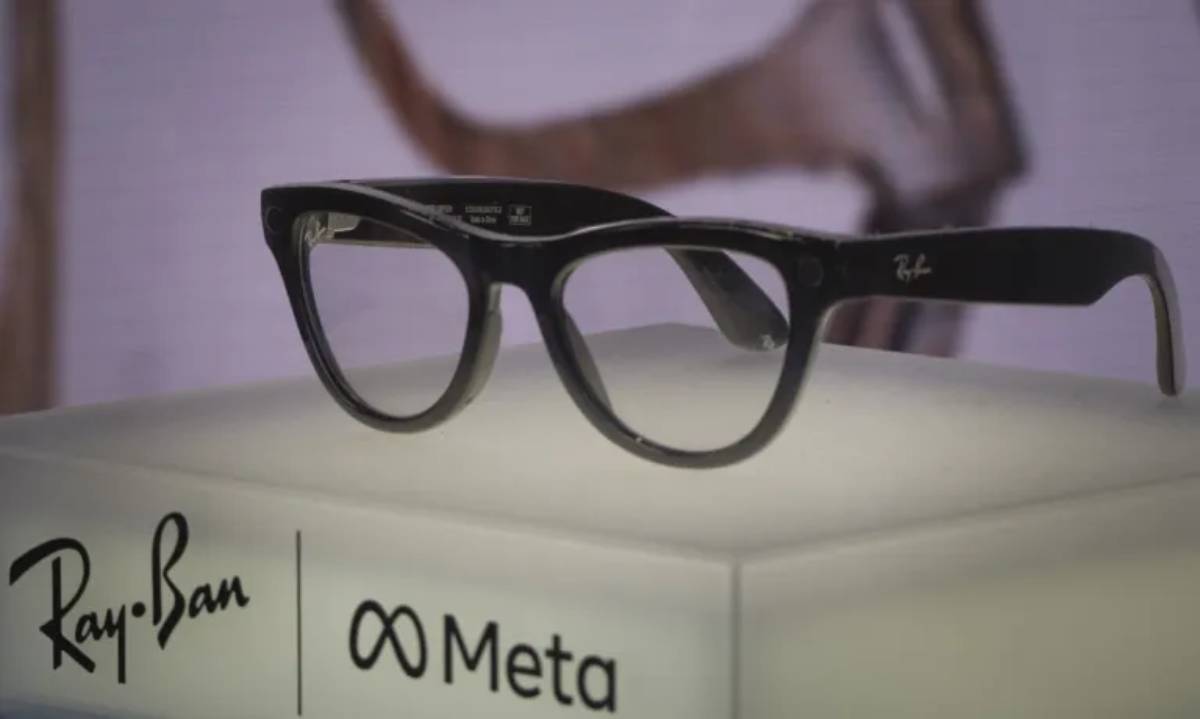
A new phase in the global wearable technology race is emerging as Meta reportedly advances plans to develop an AI-powered pendant as part of its broader strategy to build ambient, always-on computing devices. The initiative signals a shift beyond smart glasses toward more discreet, sensor-driven AI companions, with implications for consumer behavior, digital ecosystems, and competition across the augmented intelligence and wearable hardware markets.
Meta’s reported AI pendant initiative is positioned as part of a wider portfolio of wearable computing products aimed at embedding artificial intelligence into everyday life. The device concept focuses on voice-driven interaction, contextual awareness, and continuous AI assistance without requiring screens or traditional interfaces.
The strategy builds on Meta’s ongoing investments in augmented reality, smart glasses, and AI-integrated hardware systems. The company is expanding its ecosystem to compete in the emerging “ambient AI” category, where devices operate in the background to interpret user behavior and deliver real-time assistance.
The move reflects increasing industry competition in wearable AI, with multiple technology firms exploring form factors that move beyond smartphones as the primary computing interface.
The development aligns with a broader trend across global markets where technology companies are racing to define the next generation of personal computing beyond smartphones. Over the past decade, wearable devices such as smartwatches, fitness trackers, and augmented reality headsets have gradually expanded the boundaries of digital interaction.
However, the industry is now shifting toward AI-native devices that prioritize continuous sensing, contextual intelligence, and voice-first interaction. This evolution is being driven by advances in large language models, edge computing, and low-power AI chips capable of running complex models on-device.
Meta has been actively investing in metaverse infrastructure, AR glasses, and AI research, seeking to establish a dominant position in future computing platforms. The AI pendant concept reflects a broader strategy to diversify hardware form factors and reduce dependence on screen-based interaction paradigms.
Globally, competitors including Apple, Google, and several Chinese technology firms are also exploring wearable AI ecosystems, intensifying the race to define post-smartphone computing standards.
Industry analysts suggest that AI wearables represent one of the most competitive and uncertain segments in consumer technology. While smart glasses and headsets have faced adoption challenges, simpler form factors such as pendants, earbuds, and minimalist sensors may offer a more accessible path to mainstream usage.
Technology strategists note that the success of ambient AI devices will depend heavily on privacy design, battery efficiency, and the ability to deliver meaningful real-time utility without intrusive data collection. Trust and user control are expected to be central concerns in adoption.
Market observers argue that Meta’s approach reflects a broader shift toward ecosystem-driven hardware strategies, where devices act as entry points into larger AI platforms rather than standalone products.
Industry voices also highlight that AI companions embedded in wearable devices could significantly change how users interact with digital services, potentially reducing reliance on smartphones for everyday tasks such as search, communication, and scheduling.
For global executives, Meta’s AI pendant strategy signals intensifying competition in next-generation consumer hardware and AI ecosystems. Companies operating in software, hardware, and digital services may need to reassess product strategies to align with ambient computing trends.
Investors are likely to view wearable AI as a high-potential but uncertain category, with success dependent on user adoption, ecosystem integration, and hardware differentiation. Capital flows may increasingly focus on AI chipmakers, sensor technology providers, and platform developers.
For policymakers, the rise of always-on AI wearables raises critical questions around data privacy, surveillance boundaries, and consent frameworks. Regulatory oversight may evolve to address continuous data collection and real-time behavioral inference.
Consumers could benefit from more intuitive and seamless digital experiences, but concerns around privacy, data security, and device dependency are expected to shape adoption patterns.
The wearable AI market is expected to evolve rapidly over the next few years as companies test new form factors and interaction models. Decision-makers should monitor Meta’s product development, competitive responses from major tech firms, and regulatory developments around ambient data systems.
The central question remains whether AI wearables will become a mainstream computing platform or remain niche extensions of existing digital ecosystems. The outcome will define the next era of personal technology.
Source: PYMNTS
Date: 2026


