
March 2026 AI Updates From Google

Google’s March AI updates include advancements in its Bard AI model, enhanced integration with Google Workspace, and new AI-powered tools for search, analytics, and creative applications.

July 29, 2026
|
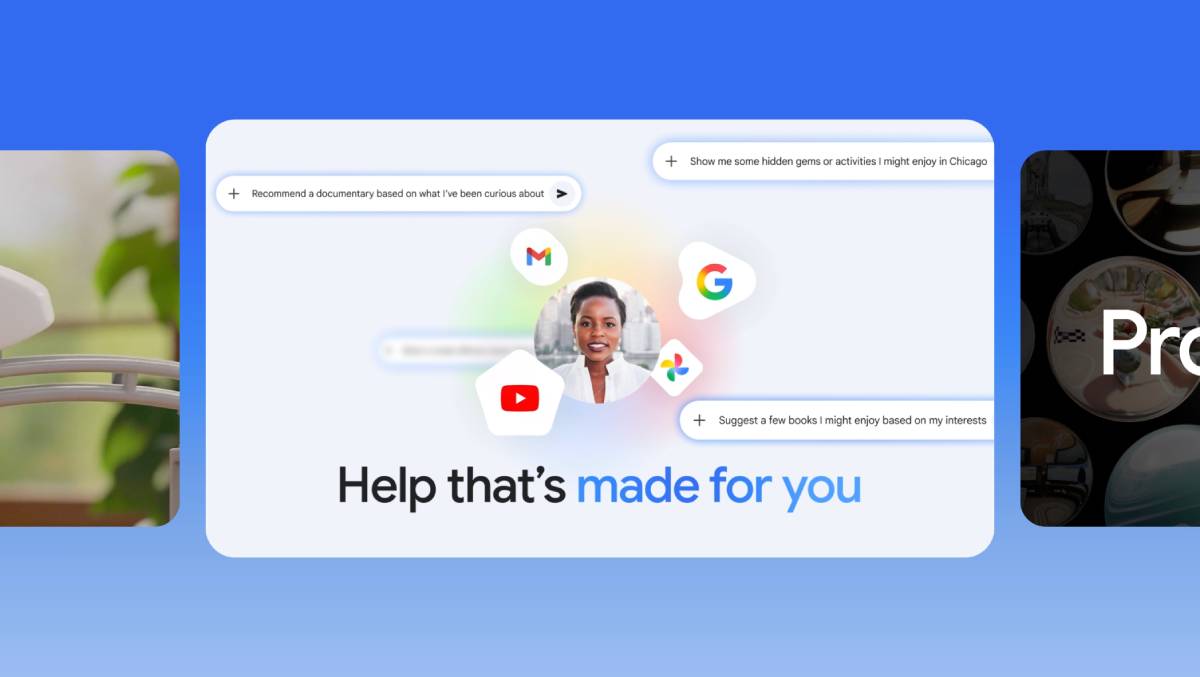
Image source: https://blog.google/

A major development unfolded as Google announced a suite of AI updates in March 2026, spanning generative AI, enterprise tools, and accessibility enhancements. The announcements signal a strategic push to integrate AI across consumer, business, and cloud services, impacting enterprises, developers, and regulators worldwide.

Google’s March AI updates include advancements in its Bard AI model, enhanced integration with Google Workspace, and new AI-powered tools for search, analytics, and creative applications.

The company also introduced tighter AI safety measures, improved explainability features, and expanded APIs for enterprise developers. These updates aim to accelerate AI adoption while mitigating ethical and security risks.

Key stakeholders enterprises, developers, and policymakers will experience direct impacts through increased AI functionality, operational efficiency, and regulatory scrutiny. Market analysts note that Google’s updates reinforce its competitive positioning against rivals such as Microsoft and OpenAI, while signaling ongoing investment in scalable, responsible AI.

The development aligns with a broader trend across global technology markets where AI integration is moving from experimental to operational-critical applications. Businesses increasingly demand AI that enhances productivity, automates workflows, and provides actionable insights.

Google has historically been a leader in AI research and deployment, from foundational models to enterprise AI solutions. Competitors such as Microsoft’s Azure OpenAI offerings and OpenAI’s ChatGPT enterprise integrations have intensified the race to deliver scalable, safe, and monetizable AI capabilities.

Geopolitical considerations, including AI regulation in the U.S., EU, and Asia, further underscore the need for responsible AI development. Google’s latest updates address these pressures, combining technical innovation with compliance and risk mitigation. For executives, the announcement signals both opportunity and responsibility in adopting AI across critical business operations.

Analysts view Google’s March 2026 updates as a clear effort to solidify its enterprise AI ecosystem. “Google is bridging the gap between experimental AI and enterprise-ready solutions, while addressing safety and regulatory concerns,” notes a leading AI strategy analyst.

Google executives highlighted the dual focus on innovation and responsibility. “These updates empower our customers with state-of-the-art AI tools, while ensuring ethical deployment and transparency,” stated a spokesperson.

Industry observers emphasize that Google’s AI progress is shaping competitive benchmarks. Enterprises adopting these tools can expect efficiency gains, enhanced analytics, and improved AI-driven decision-making. Analysts also stress that regulatory compliance will be increasingly critical, with governments monitoring AI capabilities, explainability, and bias mitigation in global deployments.

For global executives, Google’s AI updates underscore the need to integrate scalable AI solutions while maintaining governance and compliance. Businesses adopting Google AI tools may gain operational efficiencies, improved analytics, and competitive differentiation.

Investors and market watchers will assess Google’s ability to translate these updates into revenue growth and market share gains. Regulators may scrutinize implementation, data usage, and ethical safeguards, potentially influencing AI policy frameworks worldwide.

The development signals that technology adoption decisions must balance innovation, risk management, and compliance, with AI performance and safety increasingly central to strategic planning and corporate governance.

Looking ahead, decision-makers should monitor adoption rates, regulatory developments, and competitive responses from Microsoft, OpenAI, and other AI leaders. Enterprises should prepare to integrate AI responsibly while optimizing operational workflows.

Uncertainties remain regarding regulatory enforcement, data privacy challenges, and long-term ROI on AI investments. Google’s March 2026 updates set the stage for an AI-driven competitive landscape, where success depends on combining innovation, compliance, and scalable deployment.

Source: Google Blog
Date: March 2026

  • Featured tools
Alli AI
Free

Alli AI is an all-in-one, AI-powered SEO automation platform that streamlines on-page optimization, site auditing, speed improvements, schema generation, internal linking, and ranking insights.

#
SEO
Learn more
Ai Fiesta
Paid

AI Fiesta is an all-in-one productivity platform that gives users access to multiple leading AI models through a single interface. It includes features like prompt enhancement, image generation, audio transcription and side-by-side model comparison.

#
Copywriting
#
Art Generator
Learn more

Learn more about future of AI

Join 80,000+ Ai enthusiast getting weekly updates on exciting AI tools.
Thank you! Your submission has been received!
Oops! Something went wrong while submitting the form.

March 2026 AI Updates From Google

July 29, 2026

Google’s March AI updates include advancements in its Bard AI model, enhanced integration with Google Workspace, and new AI-powered tools for search, analytics, and creative applications.

Image source: https://blog.google/

A major development unfolded as Google announced a suite of AI updates in March 2026, spanning generative AI, enterprise tools, and accessibility enhancements. The announcements signal a strategic push to integrate AI across consumer, business, and cloud services, impacting enterprises, developers, and regulators worldwide.

Google’s March AI updates include advancements in its Bard AI model, enhanced integration with Google Workspace, and new AI-powered tools for search, analytics, and creative applications.

The company also introduced tighter AI safety measures, improved explainability features, and expanded APIs for enterprise developers. These updates aim to accelerate AI adoption while mitigating ethical and security risks.

Key stakeholders enterprises, developers, and policymakers will experience direct impacts through increased AI functionality, operational efficiency, and regulatory scrutiny. Market analysts note that Google’s updates reinforce its competitive positioning against rivals such as Microsoft and OpenAI, while signaling ongoing investment in scalable, responsible AI.

The development aligns with a broader trend across global technology markets where AI integration is moving from experimental to operational-critical applications. Businesses increasingly demand AI that enhances productivity, automates workflows, and provides actionable insights.

Google has historically been a leader in AI research and deployment, from foundational models to enterprise AI solutions. Competitors such as Microsoft’s Azure OpenAI offerings and OpenAI’s ChatGPT enterprise integrations have intensified the race to deliver scalable, safe, and monetizable AI capabilities.

Geopolitical considerations, including AI regulation in the U.S., EU, and Asia, further underscore the need for responsible AI development. Google’s latest updates address these pressures, combining technical innovation with compliance and risk mitigation. For executives, the announcement signals both opportunity and responsibility in adopting AI across critical business operations.

Analysts view Google’s March 2026 updates as a clear effort to solidify its enterprise AI ecosystem. “Google is bridging the gap between experimental AI and enterprise-ready solutions, while addressing safety and regulatory concerns,” notes a leading AI strategy analyst.

Google executives highlighted the dual focus on innovation and responsibility. “These updates empower our customers with state-of-the-art AI tools, while ensuring ethical deployment and transparency,” stated a spokesperson.

Industry observers emphasize that Google’s AI progress is shaping competitive benchmarks. Enterprises adopting these tools can expect efficiency gains, enhanced analytics, and improved AI-driven decision-making. Analysts also stress that regulatory compliance will be increasingly critical, with governments monitoring AI capabilities, explainability, and bias mitigation in global deployments.

For global executives, Google’s AI updates underscore the need to integrate scalable AI solutions while maintaining governance and compliance. Businesses adopting Google AI tools may gain operational efficiencies, improved analytics, and competitive differentiation.

Investors and market watchers will assess Google’s ability to translate these updates into revenue growth and market share gains. Regulators may scrutinize implementation, data usage, and ethical safeguards, potentially influencing AI policy frameworks worldwide.

The development signals that technology adoption decisions must balance innovation, risk management, and compliance, with AI performance and safety increasingly central to strategic planning and corporate governance.

Looking ahead, decision-makers should monitor adoption rates, regulatory developments, and competitive responses from Microsoft, OpenAI, and other AI leaders. Enterprises should prepare to integrate AI responsibly while optimizing operational workflows.

Uncertainties remain regarding regulatory enforcement, data privacy challenges, and long-term ROI on AI investments. Google’s March 2026 updates set the stage for an AI-driven competitive landscape, where success depends on combining innovation, compliance, and scalable deployment.

Source: Google Blog
Date: March 2026

Promote Your Tool

Copy Embed Code

Similar Blogs

July 29, 2026
|

EmulationStation Enhances Retro Gaming Experience

EmulationStation is a front-end interface designed to organize and present video game emulation libraries through a streamlined user experience.
Read more
July 29, 2026
|

Tomoson Expands Influencer Marketing Collaboration

Tomoson operates as an influencer marketing platform designed to help brands collaborate with content creators and manage promotional campaigns.
Read more
July 29, 2026
|

ZeroBin.net Advances Secure Data Sharing

ZeroBin.net operates as a privacy-oriented platform that allows users to share encrypted information through temporary digital channels.
Read more
July 29, 2026
|

Gaia Expands Digital Knowledge Access

Gaia operates within the broader category of digital platforms focused on information discovery, organization, and knowledge accessibility.
Read more
July 29, 2026
|

MailDrop Expands Privacy Email Solutions

MailDrop operates as a temporary email service designed to help users create disposable email addresses for online registrations and digital interactions.
Read more
July 29, 2026
|

MacX YouTube Downloader Enhances Video Management

MacX YouTube Downloader is a multimedia software solution designed to support video downloading, conversion, and management from online platforms.
Read more