
MailDrop Expands Privacy Email Solutions

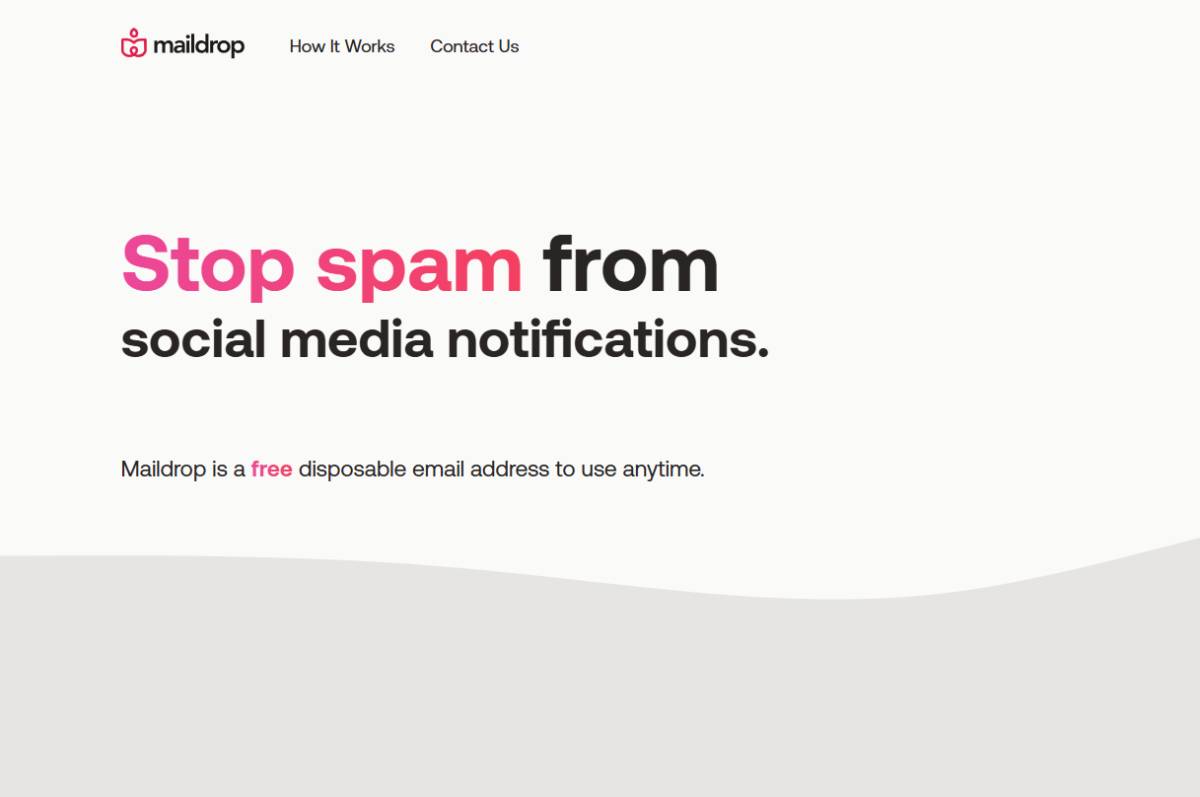
MailDrop operates as a temporary email service designed to help users create disposable email addresses for online registrations and digital interactions.

July 29, 2026
|

MailDrop reflects the increasing global demand for privacy-focused communication tools that provide users with temporary email capabilities and greater control over digital identities. The platform represents a broader shift toward online privacy management, cybersecurity awareness, and secure digital interactions, with implications for consumers, businesses, developers, and organizations navigating evolving internet privacy challenges.

MailDrop operates as a temporary email service designed to help users create disposable email addresses for online registrations and digital interactions. The platform addresses growing concerns around spam protection, data privacy, and minimizing exposure of personal email accounts. As online services increasingly require email-based verification, temporary communication tools have gained attention among privacy-conscious users.

The development of solutions like MailDrop reflects broader trends in cybersecurity, identity protection, and user-controlled digital experiences. Businesses and technology providers are increasingly evaluating privacy-enhancing tools as consumers become more aware of data collection practices and online security risks.

The rapid expansion of digital services has increased dependence on email-based authentication, newsletters, registrations, and online transactions. While email remains a critical communication channel, concerns around spam, tracking, data breaches, and unwanted marketing have encouraged users to explore privacy-focused alternatives.

This development aligns with a broader trend across global markets where digital privacy, cybersecurity, and personal data protection have become major priorities for consumers and organizations. Governments worldwide are introducing stronger privacy regulations, while technology companies are developing solutions that give users more control over their online identities. Temporary email services represent one part of this larger movement toward privacy-first digital tools. As internet users continue managing increasing numbers of online accounts, solutions that reduce exposure to unwanted communication and protect personal information are expected to remain relevant.

Cybersecurity analysts believe privacy-focused communication tools will continue gaining importance as digital threats and data privacy concerns increase worldwide. Experts suggest that temporary email services can help users reduce spam exposure and protect primary accounts during low-trust online interactions.

While no specific official statements are directly associated with MailDrop in this overview, industry observers emphasize that privacy tools must maintain strong security practices while avoiding misuse. Analysts note that organizations developing identity protection technologies must balance accessibility, user privacy, and regulatory compliance.

Future innovations are expected to include stronger encryption methods, improved identity management systems, and smarter privacy controls. As consumers become more aware of digital footprints, companies offering transparent and responsible privacy solutions may gain stronger adoption in the evolving cybersecurity landscape.

For businesses, MailDrop highlights the growing importance of privacy-aware digital communication strategies. Companies managing customer data, online registrations, and email marketing campaigns must consider changing consumer expectations around transparency and data protection.

Investors continue monitoring cybersecurity, privacy technology, and digital identity solutions as important areas of innovation. Policymakers are increasingly focused on strengthening data protection frameworks and improving online security standards. Organizations operating digital platforms may need to adapt by implementing stronger privacy practices and providing users with greater control over personal information. The continued growth of privacy-focused tools could influence future approaches to digital identity, authentication, and online engagement.

The future of digital privacy solutions will likely be shaped by stronger regulations, advanced cybersecurity technologies, and increasing consumer awareness. Decision-makers should monitor developments in data protection, identity management, and online security practices. Platforms that successfully combine privacy, reliability, and responsible technology design will be positioned to support users seeking greater control over their digital presence.

Source: AlternativeTo
Date: July 29, 2026

  • Featured tools
Kreateable AI
Free

Kreateable AI is a white-label, AI-driven design platform that enables logo generation, social media posts, ads, and more for businesses, agencies, and service providers.

#
Logo Generator
Learn more
Scalenut AI
Free

Scalenut AI is an all-in-one SEO content platform that combines AI-driven writing, keyword research, competitor insights, and optimization tools to help you plan, create, and rank content.

#
SEO
Learn more

Learn more about future of AI

Join 80,000+ Ai enthusiast getting weekly updates on exciting AI tools.
Thank you! Your submission has been received!
Oops! Something went wrong while submitting the form.

MailDrop Expands Privacy Email Solutions

July 29, 2026

MailDrop operates as a temporary email service designed to help users create disposable email addresses for online registrations and digital interactions.

MailDrop reflects the increasing global demand for privacy-focused communication tools that provide users with temporary email capabilities and greater control over digital identities. The platform represents a broader shift toward online privacy management, cybersecurity awareness, and secure digital interactions, with implications for consumers, businesses, developers, and organizations navigating evolving internet privacy challenges.

MailDrop operates as a temporary email service designed to help users create disposable email addresses for online registrations and digital interactions. The platform addresses growing concerns around spam protection, data privacy, and minimizing exposure of personal email accounts. As online services increasingly require email-based verification, temporary communication tools have gained attention among privacy-conscious users.

The development of solutions like MailDrop reflects broader trends in cybersecurity, identity protection, and user-controlled digital experiences. Businesses and technology providers are increasingly evaluating privacy-enhancing tools as consumers become more aware of data collection practices and online security risks.

The rapid expansion of digital services has increased dependence on email-based authentication, newsletters, registrations, and online transactions. While email remains a critical communication channel, concerns around spam, tracking, data breaches, and unwanted marketing have encouraged users to explore privacy-focused alternatives.

This development aligns with a broader trend across global markets where digital privacy, cybersecurity, and personal data protection have become major priorities for consumers and organizations. Governments worldwide are introducing stronger privacy regulations, while technology companies are developing solutions that give users more control over their online identities. Temporary email services represent one part of this larger movement toward privacy-first digital tools. As internet users continue managing increasing numbers of online accounts, solutions that reduce exposure to unwanted communication and protect personal information are expected to remain relevant.

Cybersecurity analysts believe privacy-focused communication tools will continue gaining importance as digital threats and data privacy concerns increase worldwide. Experts suggest that temporary email services can help users reduce spam exposure and protect primary accounts during low-trust online interactions.

While no specific official statements are directly associated with MailDrop in this overview, industry observers emphasize that privacy tools must maintain strong security practices while avoiding misuse. Analysts note that organizations developing identity protection technologies must balance accessibility, user privacy, and regulatory compliance.

Future innovations are expected to include stronger encryption methods, improved identity management systems, and smarter privacy controls. As consumers become more aware of digital footprints, companies offering transparent and responsible privacy solutions may gain stronger adoption in the evolving cybersecurity landscape.

For businesses, MailDrop highlights the growing importance of privacy-aware digital communication strategies. Companies managing customer data, online registrations, and email marketing campaigns must consider changing consumer expectations around transparency and data protection.

Investors continue monitoring cybersecurity, privacy technology, and digital identity solutions as important areas of innovation. Policymakers are increasingly focused on strengthening data protection frameworks and improving online security standards. Organizations operating digital platforms may need to adapt by implementing stronger privacy practices and providing users with greater control over personal information. The continued growth of privacy-focused tools could influence future approaches to digital identity, authentication, and online engagement.

The future of digital privacy solutions will likely be shaped by stronger regulations, advanced cybersecurity technologies, and increasing consumer awareness. Decision-makers should monitor developments in data protection, identity management, and online security practices. Platforms that successfully combine privacy, reliability, and responsible technology design will be positioned to support users seeking greater control over their digital presence.

Source: AlternativeTo
Date: July 29, 2026

Promote Your Tool

Copy Embed Code

Similar Blogs

July 29, 2026
|

EmulationStation Enhances Retro Gaming Experience

EmulationStation is a front-end interface designed to organize and present video game emulation libraries through a streamlined user experience.
Read more
July 29, 2026
|

Tomoson Expands Influencer Marketing Collaboration

Tomoson operates as an influencer marketing platform designed to help brands collaborate with content creators and manage promotional campaigns.
Read more
July 29, 2026
|

ZeroBin.net Advances Secure Data Sharing

ZeroBin.net operates as a privacy-oriented platform that allows users to share encrypted information through temporary digital channels.
Read more
July 29, 2026
|

Gaia Expands Digital Knowledge Access

Gaia operates within the broader category of digital platforms focused on information discovery, organization, and knowledge accessibility.
Read more
July 29, 2026
|

MailDrop Expands Privacy Email Solutions

MailDrop operates as a temporary email service designed to help users create disposable email addresses for online registrations and digital interactions.
Read more
July 29, 2026
|

MacX YouTube Downloader Enhances Video Management

MacX YouTube Downloader is a multimedia software solution designed to support video downloading, conversion, and management from online platforms.
Read more