
MacOS 27 Leak Ends Intel Era AI Overhaul

According to industry reports, Apple is expected to end support for Intel-based Macs in macOS 27, marking the final stage of its transition to Apple Silicon architecture.

June 8, 2026
|
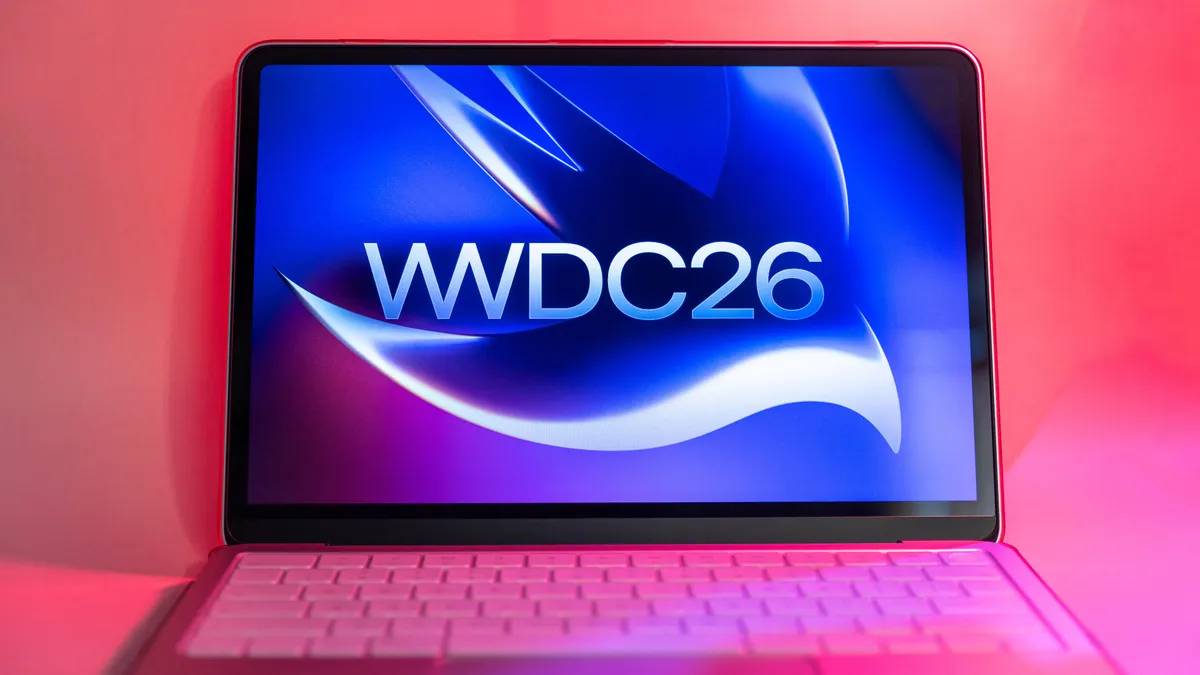
Image Source: CNET Report

A new wave of reports surrounding Apple’s upcoming macOS 27 suggests a decisive shift toward full Intel Mac phase-out and deeper integration of AI-driven system intelligence. The rumored update signals a strategic transition in Apple’s computing ecosystem, with implications for developers, enterprises, and global Mac users dependent on legacy hardware support.

According to industry reports, Apple is expected to end support for Intel-based Macs in macOS 27, marking the final stage of its transition to Apple Silicon architecture. The update is also rumored to introduce a significantly smarter version of Siri, with improved contextual awareness and deeper system integration.

Additional interface refinements are expected under Apple’s evolving “Liquid Glass” design direction, focusing on translucency and adaptive visual responsiveness. While timelines remain unconfirmed, the developments are widely expected to align with Apple’s annual OS release cycle, impacting developers, enterprise IT infrastructure, and global Mac users.

The rumored macOS 27 transition reflects a multi-year strategic pivot by Apple away from Intel processors toward its proprietary Apple Silicon chips. This shift began with the introduction of M1 chips and has steadily progressed across MacBook, iMac, and Mac Studio product lines.

The potential end of Intel support marks a significant milestone in this transition, effectively closing a decade-long era of hybrid architecture support. At the same time, Apple is reportedly accelerating AI integration across its ecosystem, positioning macOS as a more intelligent, context-aware operating system.

Globally, operating system vendors are racing to embed generative AI and on-device intelligence into core computing layers. Apple’s strategy appears aligned with broader industry trends where AI is no longer an application layer feature but a foundational system capability. This shift carries implications for enterprise software compatibility, developer tooling, and long-term hardware lifecycle planning.

Technology analysts suggest that the rumored end of Intel support is both a technical and economic decision. By consolidating macOS entirely around Apple Silicon, Apple can optimize performance, reduce fragmentation, and accelerate AI feature deployment without legacy constraints.

Industry observers also highlight the strategic importance of enhancing Siri, which has lagged behind competing AI assistants in recent years. A more context-aware Siri could reposition Apple within the rapidly evolving AI assistant market, where conversational systems are becoming central to user interaction.

While no official confirmation has been released, developers are already speculating about stricter hardware requirements and potential API changes. Enterprise IT analysts warn that organizations still running Intel-based Mac infrastructure may need to accelerate upgrade cycles or risk losing future OS compatibility and security updates.

For enterprises and developers, the transition signaled by Apple could require significant infrastructure adjustments. Software compatibility with Intel-based systems may become a short-term concern, particularly in industries with long hardware refresh cycles such as education, design, and enterprise IT.

Investors may view the move as a margin-enhancing strategy, reducing legacy support costs while strengthening Apple Silicon ecosystem lock-in. For consumers, the shift could mean improved performance and AI capabilities but reduced support for older devices. Regulators and enterprise procurement teams may also monitor the pace of hardware obsolescence, especially in large-scale institutional deployments dependent on long-term device stability.

The next macOS cycle will likely confirm whether Apple fully exits Intel support and how aggressively it integrates AI across system functions. Attention will also focus on the evolution of Siri and whether it can compete with next-generation AI assistants. The key uncertainty remains execution speed balancing innovation with enterprise-grade stability and compatibility across global user bases.

Source: CNET Report
Date: 8 June 2026

  • Featured tools
Hostinger Horizons
Freemium

Hostinger Horizons is an AI-powered platform that allows users to build and deploy custom web applications without writing code. It packs hosting, domain management and backend integration into a unified tool for rapid app creation.

#
Startup Tools
#
Coding
#
Project Management
Learn more
Writesonic AI
Free

Writesonic AI is a versatile AI writing platform designed for marketers, entrepreneurs, and content creators. It helps users create blog posts, ad copies, product descriptions, social media posts, and more with ease. With advanced AI models and user-friendly tools, Writesonic streamlines content production and saves time for busy professionals.

#
Copywriting
Learn more

Learn more about future of AI

Join 80,000+ Ai enthusiast getting weekly updates on exciting AI tools.
Thank you! Your submission has been received!
Oops! Something went wrong while submitting the form.

MacOS 27 Leak Ends Intel Era AI Overhaul

June 8, 2026

According to industry reports, Apple is expected to end support for Intel-based Macs in macOS 27, marking the final stage of its transition to Apple Silicon architecture.

Image Source: CNET Report

A new wave of reports surrounding Apple’s upcoming macOS 27 suggests a decisive shift toward full Intel Mac phase-out and deeper integration of AI-driven system intelligence. The rumored update signals a strategic transition in Apple’s computing ecosystem, with implications for developers, enterprises, and global Mac users dependent on legacy hardware support.

According to industry reports, Apple is expected to end support for Intel-based Macs in macOS 27, marking the final stage of its transition to Apple Silicon architecture. The update is also rumored to introduce a significantly smarter version of Siri, with improved contextual awareness and deeper system integration.

Additional interface refinements are expected under Apple’s evolving “Liquid Glass” design direction, focusing on translucency and adaptive visual responsiveness. While timelines remain unconfirmed, the developments are widely expected to align with Apple’s annual OS release cycle, impacting developers, enterprise IT infrastructure, and global Mac users.

The rumored macOS 27 transition reflects a multi-year strategic pivot by Apple away from Intel processors toward its proprietary Apple Silicon chips. This shift began with the introduction of M1 chips and has steadily progressed across MacBook, iMac, and Mac Studio product lines.

The potential end of Intel support marks a significant milestone in this transition, effectively closing a decade-long era of hybrid architecture support. At the same time, Apple is reportedly accelerating AI integration across its ecosystem, positioning macOS as a more intelligent, context-aware operating system.

Globally, operating system vendors are racing to embed generative AI and on-device intelligence into core computing layers. Apple’s strategy appears aligned with broader industry trends where AI is no longer an application layer feature but a foundational system capability. This shift carries implications for enterprise software compatibility, developer tooling, and long-term hardware lifecycle planning.

Technology analysts suggest that the rumored end of Intel support is both a technical and economic decision. By consolidating macOS entirely around Apple Silicon, Apple can optimize performance, reduce fragmentation, and accelerate AI feature deployment without legacy constraints.

Industry observers also highlight the strategic importance of enhancing Siri, which has lagged behind competing AI assistants in recent years. A more context-aware Siri could reposition Apple within the rapidly evolving AI assistant market, where conversational systems are becoming central to user interaction.

While no official confirmation has been released, developers are already speculating about stricter hardware requirements and potential API changes. Enterprise IT analysts warn that organizations still running Intel-based Mac infrastructure may need to accelerate upgrade cycles or risk losing future OS compatibility and security updates.

For enterprises and developers, the transition signaled by Apple could require significant infrastructure adjustments. Software compatibility with Intel-based systems may become a short-term concern, particularly in industries with long hardware refresh cycles such as education, design, and enterprise IT.

Investors may view the move as a margin-enhancing strategy, reducing legacy support costs while strengthening Apple Silicon ecosystem lock-in. For consumers, the shift could mean improved performance and AI capabilities but reduced support for older devices. Regulators and enterprise procurement teams may also monitor the pace of hardware obsolescence, especially in large-scale institutional deployments dependent on long-term device stability.

The next macOS cycle will likely confirm whether Apple fully exits Intel support and how aggressively it integrates AI across system functions. Attention will also focus on the evolution of Siri and whether it can compete with next-generation AI assistants. The key uncertainty remains execution speed balancing innovation with enterprise-grade stability and compatibility across global user bases.

Source: CNET Report
Date: 8 June 2026

Promote Your Tool

Copy Embed Code

Similar Blogs

June 8, 2026
|

Legora Tech Chief Slams Tokenmaxxing AI Debate Intensifies

The chief technology officer of Legora publicly criticized the emerging practice known as “tokenmaxxing,” describing it as an inefficient and misguided approach to encouraging artificial intelligence usage.
Read more
June 8, 2026
|

JPMorgan Boosts AI Strategy Leadership Hire

JPMorgan Chase has reportedly hired Nomura’s international AI strategy chief to strengthen its global artificial intelligence roadmap.
Read more
June 8, 2026
|

Chrome AI Strategy Sparks Privacy Debate

Reports indicate that Google Chrome may have downloaded a substantial AI model estimated at several gigabytes onto user systems without explicit user awareness.
Read more
June 8, 2026
|

Altman Trump Meeting Raises AI Stakes

Sam Altman reportedly met with Donald Trump following discussion around a recent U.S. executive order on artificial intelligence that, according to reports, imposes limited direct requirements on industry players.
Read more
June 8, 2026
|

Apple AI Settlement Opens User Claims Window

Apple has agreed to a $250 million settlement addressing claims tied to AI-driven iPhone functionalities and user impact concerns. Eligible users may now file claims within a defined submission window.
Read more
June 8, 2026
|

Microsoft AI Expansion Sparks Backlash Energy Impact

During a recent event where Microsoft showcased its latest AI advancements, protesters gathered outside opposing the expansion of large-scale AI data centers.
Read more