
Luxembourg Tech Fuels Digital Futures

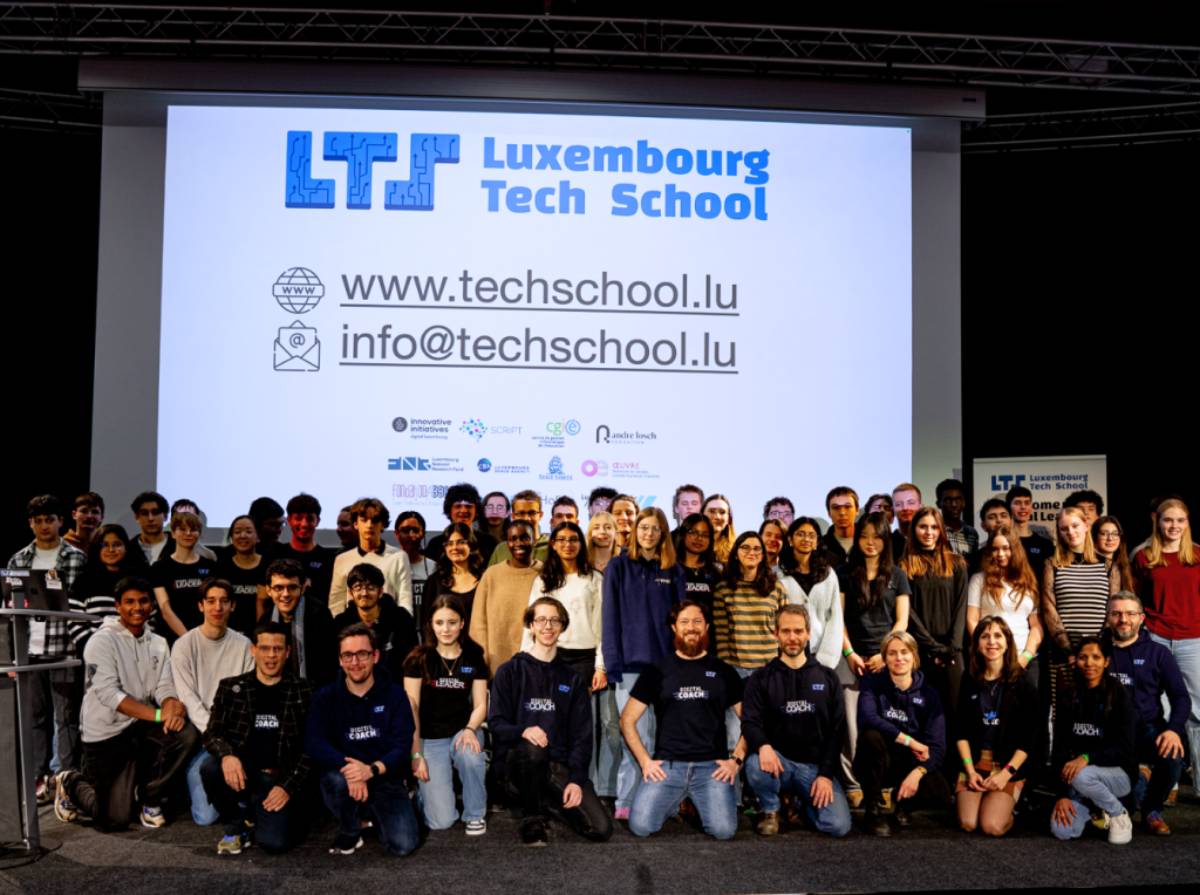
The founder’s reflections showcase the Luxembourg Tech School’s mission to bridge the gap between traditional education and the evolving needs of the digital economy.

July 6, 2026
|
Image Source: Silicon Luxembourg

As Europe confronts growing demand for digital talent, the Luxembourg Tech School is emerging as a key force in preparing the next generation of innovators. A founder’s perspective highlights how practical technology education, entrepreneurship, and real-world problem-solving are equipping young people with skills needed to thrive in an AI-driven global economy.

The founder’s reflections showcase the Luxembourg Tech School’s mission to bridge the gap between traditional education and the evolving needs of the digital economy. Rather than focusing solely on theoretical learning, the institution emphasizes hands-on experience in coding, artificial intelligence, robotics, data science, and entrepreneurial thinking.

Students work on practical projects that encourage collaboration, innovation, leadership, and critical problem-solving while gaining exposure to emerging technologies shaping modern industries. The initiative also strengthens connections between education and business by engaging mentors, technology professionals, and industry partners.

The programme reflects Luxembourg’s broader ambition to cultivate a highly skilled workforce capable of supporting long-term technological and economic growth. Digital transformation has significantly increased global demand for professionals with expertise in software development, artificial intelligence, cybersecurity, data analytics, and emerging technologies. However, employers across Europe continue to report shortages of qualified talent, creating a widening skills gap that threatens innovation and economic competitiveness.

Governments, educational institutions, and private-sector organisations are increasingly investing in STEM education, digital literacy, and entrepreneurial programmes to prepare younger generations for rapidly changing labour markets. Traditional education models are also evolving to place greater emphasis on creativity, collaboration, adaptability, and practical application alongside academic knowledge.

Luxembourg has positioned digital skills development as a strategic national priority through investments in innovation ecosystems, research, technology infrastructure, and startup support. Initiatives like the Luxembourg Tech School complement these efforts by preparing students with capabilities aligned to future industry needs while strengthening the country's long-term talent pipeline.

Education specialists widely agree that preparing students for future careers requires more than technical knowledge alone. Industry increasingly values individuals who combine digital expertise with communication skills, teamwork, leadership, creativity, and the ability to solve complex real-world problems.

Technology leaders also stress that experiential learning where students build products, collaborate on projects, and engage with industry professionals provides stronger preparation than classroom instruction alone. Early exposure to entrepreneurship encourages confidence, innovation, and resilience while helping students better understand how technology creates business value.

Labour market analysts further observe that collaboration between schools, startups, corporations, and governments is becoming essential to developing a workforce capable of supporting digital transformation. Founder-led educational initiatives bring valuable practical insight that helps students connect academic learning with rapidly evolving industry expectations.

For businesses, strengthening digital education creates a more sustainable pipeline of skilled professionals capable of supporting innovation, productivity, and technological competitiveness. Companies may benefit from greater collaboration with educational institutions through mentorship, internships, and project-based learning initiatives.

Investors also recognise that strong talent ecosystems contribute to healthier startup environments and increased entrepreneurial activity. For policymakers, programmes like the Luxembourg Tech School demonstrate the importance of integrating technology education, entrepreneurship, and industry engagement into national education strategies.

Expanding such initiatives could help address long-term digital skills shortages while reinforcing Europe's competitiveness in emerging technologies. As artificial intelligence and digital technologies continue reshaping global industries, demand for future-ready talent is expected to accelerate. Decision-makers will closely monitor how education programmes like the Luxembourg Tech School influence workforce readiness, startup creation, and innovation capacity. Continued collaboration between educators, industry, and policymakers will be critical to ensuring Europe develops the skilled professionals needed to compete in the next wave of technological transformation.

Source: Silicon Luxembourg
Date: July 2026

  • Featured tools
Copy Ai
Free

Copy AI is one of the most popular AI writing tools designed to help professionals create high-quality content quickly. Whether you are a product manager drafting feature descriptions or a marketer creating ad copy, Copy AI can save hours of work while maintaining creativity and tone.

#
Copywriting
Learn more
Outplay AI
Free

Outplay AI is a dynamic sales engagement platform combining AI-powered outreach, multi-channel automation, and performance tracking to help teams optimize conversion and pipeline generation.

#
Sales
Learn more

Learn more about future of AI

Join 80,000+ Ai enthusiast getting weekly updates on exciting AI tools.
Thank you! Your submission has been received!
Oops! Something went wrong while submitting the form.

Luxembourg Tech Fuels Digital Futures

July 6, 2026

The founder’s reflections showcase the Luxembourg Tech School’s mission to bridge the gap between traditional education and the evolving needs of the digital economy.

Image Source: Silicon Luxembourg

As Europe confronts growing demand for digital talent, the Luxembourg Tech School is emerging as a key force in preparing the next generation of innovators. A founder’s perspective highlights how practical technology education, entrepreneurship, and real-world problem-solving are equipping young people with skills needed to thrive in an AI-driven global economy.

The founder’s reflections showcase the Luxembourg Tech School’s mission to bridge the gap between traditional education and the evolving needs of the digital economy. Rather than focusing solely on theoretical learning, the institution emphasizes hands-on experience in coding, artificial intelligence, robotics, data science, and entrepreneurial thinking.

Students work on practical projects that encourage collaboration, innovation, leadership, and critical problem-solving while gaining exposure to emerging technologies shaping modern industries. The initiative also strengthens connections between education and business by engaging mentors, technology professionals, and industry partners.

The programme reflects Luxembourg’s broader ambition to cultivate a highly skilled workforce capable of supporting long-term technological and economic growth. Digital transformation has significantly increased global demand for professionals with expertise in software development, artificial intelligence, cybersecurity, data analytics, and emerging technologies. However, employers across Europe continue to report shortages of qualified talent, creating a widening skills gap that threatens innovation and economic competitiveness.

Governments, educational institutions, and private-sector organisations are increasingly investing in STEM education, digital literacy, and entrepreneurial programmes to prepare younger generations for rapidly changing labour markets. Traditional education models are also evolving to place greater emphasis on creativity, collaboration, adaptability, and practical application alongside academic knowledge.

Luxembourg has positioned digital skills development as a strategic national priority through investments in innovation ecosystems, research, technology infrastructure, and startup support. Initiatives like the Luxembourg Tech School complement these efforts by preparing students with capabilities aligned to future industry needs while strengthening the country's long-term talent pipeline.

Education specialists widely agree that preparing students for future careers requires more than technical knowledge alone. Industry increasingly values individuals who combine digital expertise with communication skills, teamwork, leadership, creativity, and the ability to solve complex real-world problems.

Technology leaders also stress that experiential learning where students build products, collaborate on projects, and engage with industry professionals provides stronger preparation than classroom instruction alone. Early exposure to entrepreneurship encourages confidence, innovation, and resilience while helping students better understand how technology creates business value.

Labour market analysts further observe that collaboration between schools, startups, corporations, and governments is becoming essential to developing a workforce capable of supporting digital transformation. Founder-led educational initiatives bring valuable practical insight that helps students connect academic learning with rapidly evolving industry expectations.

For businesses, strengthening digital education creates a more sustainable pipeline of skilled professionals capable of supporting innovation, productivity, and technological competitiveness. Companies may benefit from greater collaboration with educational institutions through mentorship, internships, and project-based learning initiatives.

Investors also recognise that strong talent ecosystems contribute to healthier startup environments and increased entrepreneurial activity. For policymakers, programmes like the Luxembourg Tech School demonstrate the importance of integrating technology education, entrepreneurship, and industry engagement into national education strategies.

Expanding such initiatives could help address long-term digital skills shortages while reinforcing Europe's competitiveness in emerging technologies. As artificial intelligence and digital technologies continue reshaping global industries, demand for future-ready talent is expected to accelerate. Decision-makers will closely monitor how education programmes like the Luxembourg Tech School influence workforce readiness, startup creation, and innovation capacity. Continued collaboration between educators, industry, and policymakers will be critical to ensuring Europe develops the skilled professionals needed to compete in the next wave of technological transformation.

Source: Silicon Luxembourg
Date: July 2026

Promote Your Tool

Copy Embed Code

Similar Blogs

July 6, 2026
|

Monogram Aims Global Art Platform

The Stockholm-based platform is building an integrated ecosystem designed to centralise art collection management, including portfolio tracking, valuation insights, and transaction facilitation.
Read more
July 6, 2026
|

Lightbringer AI Raises €8.6M Funding

The funding round, backed by leading venture investors, will support Lightbringer’s expansion of its AI-powered patent automation platform.
Read more
July 6, 2026
|

Vaisala Expands AI Weather Strategy

The acquisition brings together Vaisala’s established expertise in environmental measurement with next-generation AI forecasting capabilities designed to enhance speed, accuracy, and computational efficiency.
Read more
July 6, 2026
|

Europe Pushes Tech Standards Strategy

The discussion around Europe’s “power of the eight” highlights coordinated efforts among leading stakeholders to leverage standardisation as a tool for industrial strength.
Read more
July 6, 2026
|

Facial Tech Raises Trust Questions

Facial recognition systems are now widely deployed across airports, border controls, financial services, retail environments, and law enforcement operations.
Read more
July 6, 2026
|

Luxembourg Fit 4 Scale Advances

The Fit 4 Scale cohort presentation featured a selection of startups undergoing structured scaling support designed to strengthen operational maturity, market readiness, and investment potential.
Read more