



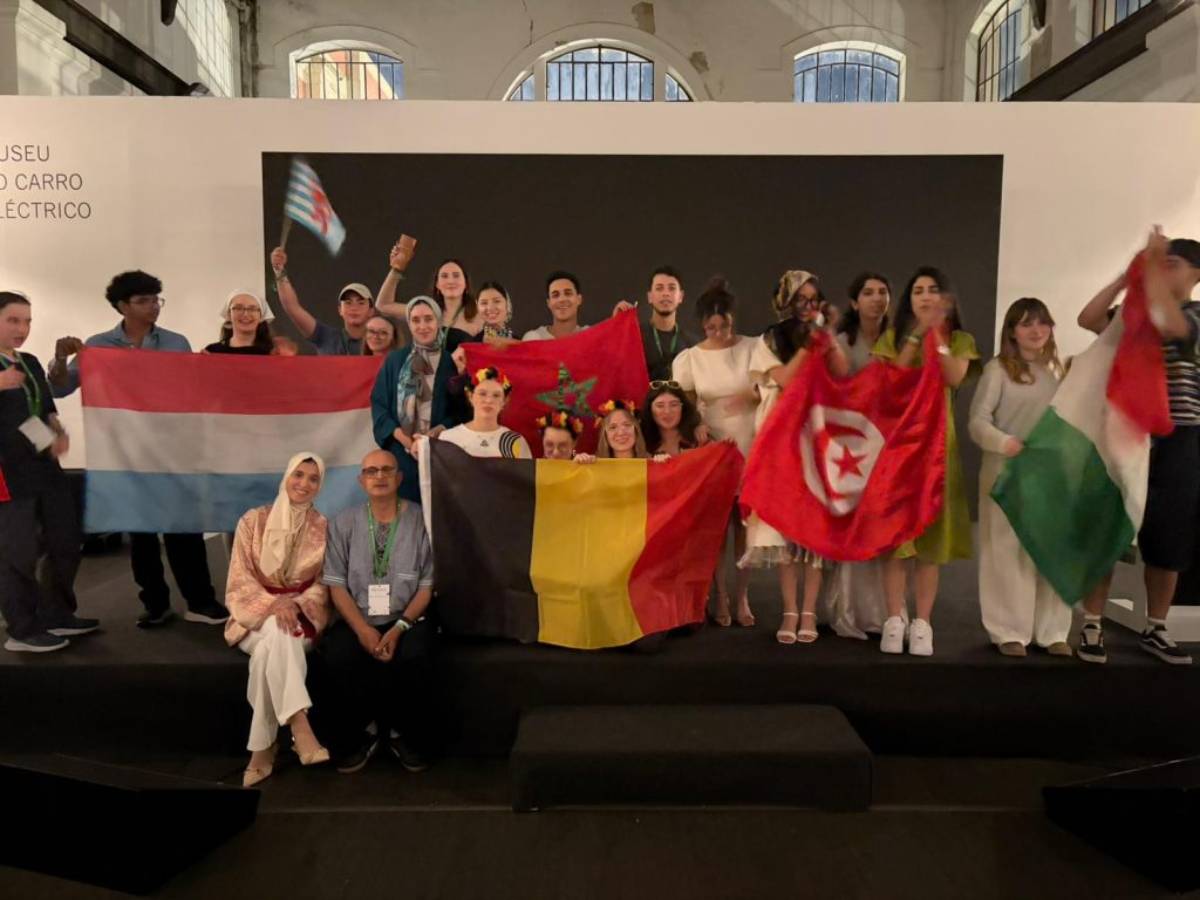
A new generation of scientific talent from Luxembourg has earned international recognition at the Porto Science Fair, highlighting the country's growing investment in STEM education and youth innovation. The achievement reinforces Europe's commitment to nurturing future researchers and innovators, with long-term implications for technology development, workforce competitiveness, and scientific collaboration.
Students representing Luxembourg showcased innovative research projects at the Porto Science Fair, one of Europe's prominent platforms for young scientific talent. Their strong performance demonstrated excellence across multiple scientific disciplines, reflecting the country's emphasis on research-driven education and international academic engagement.
The event brought together young innovators, educators, and scientific institutions from several countries, creating opportunities for knowledge exchange and cross-border collaboration. Participation in the fair provides students with valuable exposure to international scientific standards while strengthening Luxembourg's reputation as an emerging center for innovation and STEM excellence. The recognition also highlights the importance of early investment in scientific education and talent development.
The success of Luxembourg's students aligns with a broader European strategy to strengthen science, technology, engineering, and mathematics (STEM) education in response to growing demand for highly skilled professionals. Governments across Europe are investing heavily in research education, innovation ecosystems, and youth development to remain competitive in an increasingly technology-driven global economy.
Science fairs have evolved beyond academic competitions into important platforms for identifying future researchers, entrepreneurs, and technology leaders. They foster interdisciplinary thinking, international collaboration, and practical problem-solving skills that are increasingly valued by universities and employers.
Luxembourg has steadily expanded its investments in education, digital transformation, and innovation, positioning itself as a hub for research-intensive industries. Encouraging young scientists to participate in international competitions supports the country's long-term strategy of building a knowledge-based economy capable of competing globally.
Education experts view the students' achievement as evidence that sustained investment in STEM education is producing measurable outcomes. Analysts argue that international science competitions help cultivate critical thinking, creativity, and research capabilities that extend well beyond the classroom.
An education policy specialist observed that "early exposure to international scientific collaboration equips students with the skills needed to lead future innovation ecosystems." Such experiences also encourage interdisciplinary research and strengthen confidence among young innovators.
Industry leaders frequently emphasize that today's science fair participants represent tomorrow's engineers, researchers, and entrepreneurs. Academic institutions also recognize these competitions as valuable pathways for identifying exceptional talent while strengthening international collaboration between schools, universities, and research organizations throughout Europe.
For businesses, the success highlights the importance of developing future talent pipelines capable of supporting innovation-led industries. Companies operating in technology, engineering, healthcare, and advanced manufacturing may increasingly partner with educational institutions to identify and nurture emerging scientific talent.
For policymakers, the achievement reinforces the value of sustained investment in STEM education, research funding, and international academic exchange. Governments seeking long-term economic competitiveness may expand programs supporting youth innovation, entrepreneurship, and scientific collaboration.
For investors and innovation ecosystems, developing highly skilled talent remains a foundational driver of future economic growth and technological leadership. Looking ahead, Luxembourg is expected to continue strengthening its STEM education ecosystem through greater international collaboration and investment in research opportunities for young innovators. Future participation in global science competitions could further enhance the country's innovation profile. Decision-makers will closely monitor how educational investments translate into research excellence, startup creation, and long-term economic competitiveness in an increasingly knowledge-driven global economy.
Source: Silicon Luxembourg
Date: June 26, 2026


