
Luxembourg Satellite Advances Global Space Innovation

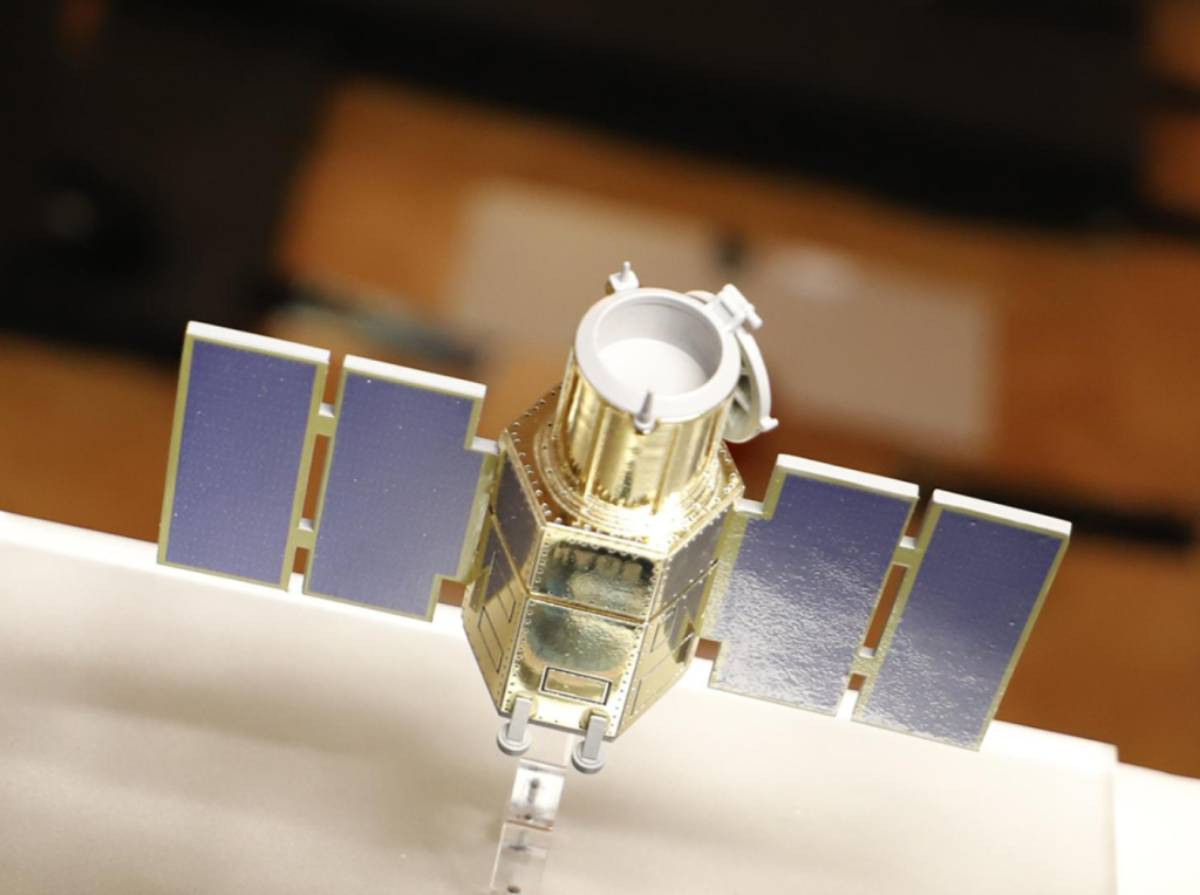
Luxembourg’s Earth observation satellite showcases the country’s expanding capabilities in space technology and satellite-based data services.

July 16, 2026
|

Luxembourg is reinforcing its position in the global space economy through its Earth observation satellite program, demonstrating how smaller nations can contribute to advanced satellite technology and data-driven innovation. The initiative underscores the strategic importance of space infrastructure for environmental monitoring, security, agriculture, and commercial applications across international markets.

Luxembourg’s Earth observation satellite showcases the country’s expanding capabilities in space technology and satellite-based data services. Designed to collect high-resolution imagery and valuable geospatial information, the satellite supports a broad range of applications, including environmental monitoring, disaster management, infrastructure planning, and scientific research.

The project reflects Luxembourg’s long-term investment in developing a competitive space ecosystem through partnerships with industry, research institutions, and international organizations. The satellite also demonstrates how advanced Earth observation technologies are becoming increasingly important for both public and private sector decision-making, strengthening the country’s role in the rapidly growing global space economy.

Earth observation satellites have become essential infrastructure for governments, businesses, and researchers seeking accurate, real-time information about the planet. Satellite imagery supports climate monitoring, agriculture, urban planning, natural resource management, transportation, and emergency response, making it one of the fastest-growing segments of the global space industry.

Luxembourg has established itself as a leading European space innovation hub through strategic investments, supportive policies, and collaboration with international space organizations. The country has consistently encouraged commercial space activities while promoting research and technological development.

Growing demand for satellite data is also being driven by artificial intelligence, cloud computing, and advanced analytics, enabling organizations to extract greater value from Earth observation systems. Luxembourg’s satellite program reflects broader global trends where space technology is increasingly recognized as a strategic asset supporting economic growth, sustainability, and national resilience.

Space industry experts view Earth observation as one of the most commercially valuable areas of modern satellite technology. Analysts note that continuous improvements in satellite imaging, artificial intelligence, and data analytics are expanding the range of industries benefiting from space-based information.

Experts also emphasize that smaller nations can play influential roles in the global space sector by focusing on innovation, partnerships, and specialized technologies. Luxembourg’s investment strategy demonstrates how targeted support for space companies and research institutions can create competitive advantages despite limited geographic size.

Industry observers believe demand for Earth observation services will continue increasing as governments and businesses seek more accurate environmental intelligence, operational efficiency, and climate resilience. The satellite program reflects the broader evolution of the space economy from government-led exploration toward commercially driven innovation and data services.

For businesses, Earth observation technology creates opportunities in sectors including agriculture, insurance, logistics, environmental services, infrastructure, and climate risk analysis. Companies increasingly rely on satellite data to improve operational decisions, manage resources, and develop innovative digital services.

For investors, Luxembourg’s continued commitment to space innovation highlights the long-term growth potential of the commercial space economy. Policymakers are expected to continue supporting investment in satellite infrastructure, research, and international partnerships while strengthening Europe's strategic capabilities in space technology. As demand for geospatial intelligence grows, organizations that effectively integrate satellite data into their operations may gain significant competitive advantages across multiple industries.

Luxembourg is expected to continue expanding its role in the global space economy through investment in satellite technologies, commercial partnerships, and research initiatives. Decision-makers will closely monitor advances in Earth observation capabilities, artificial intelligence, and space-based analytics. As satellite data becomes increasingly central to business and government operations, Luxembourg’s innovation strategy could strengthen its position as a leading European space technology hub.

Source: Silicon Luxembourg
Date:
September 2025

  • Featured tools
Upscayl AI
Free

Upscayl AI is a free, open-source AI-powered tool that enhances and upscales images to higher resolutions. It transforms blurry or low-quality visuals into sharp, detailed versions with ease.

#
Productivity
Learn more
Scalenut AI
Free

Scalenut AI is an all-in-one SEO content platform that combines AI-driven writing, keyword research, competitor insights, and optimization tools to help you plan, create, and rank content.

#
SEO
Learn more

Learn more about future of AI

Join 80,000+ Ai enthusiast getting weekly updates on exciting AI tools.
Thank you! Your submission has been received!
Oops! Something went wrong while submitting the form.

Luxembourg Satellite Advances Global Space Innovation

July 16, 2026

Luxembourg’s Earth observation satellite showcases the country’s expanding capabilities in space technology and satellite-based data services.

Luxembourg is reinforcing its position in the global space economy through its Earth observation satellite program, demonstrating how smaller nations can contribute to advanced satellite technology and data-driven innovation. The initiative underscores the strategic importance of space infrastructure for environmental monitoring, security, agriculture, and commercial applications across international markets.

Luxembourg’s Earth observation satellite showcases the country’s expanding capabilities in space technology and satellite-based data services. Designed to collect high-resolution imagery and valuable geospatial information, the satellite supports a broad range of applications, including environmental monitoring, disaster management, infrastructure planning, and scientific research.

The project reflects Luxembourg’s long-term investment in developing a competitive space ecosystem through partnerships with industry, research institutions, and international organizations. The satellite also demonstrates how advanced Earth observation technologies are becoming increasingly important for both public and private sector decision-making, strengthening the country’s role in the rapidly growing global space economy.

Earth observation satellites have become essential infrastructure for governments, businesses, and researchers seeking accurate, real-time information about the planet. Satellite imagery supports climate monitoring, agriculture, urban planning, natural resource management, transportation, and emergency response, making it one of the fastest-growing segments of the global space industry.

Luxembourg has established itself as a leading European space innovation hub through strategic investments, supportive policies, and collaboration with international space organizations. The country has consistently encouraged commercial space activities while promoting research and technological development.

Growing demand for satellite data is also being driven by artificial intelligence, cloud computing, and advanced analytics, enabling organizations to extract greater value from Earth observation systems. Luxembourg’s satellite program reflects broader global trends where space technology is increasingly recognized as a strategic asset supporting economic growth, sustainability, and national resilience.

Space industry experts view Earth observation as one of the most commercially valuable areas of modern satellite technology. Analysts note that continuous improvements in satellite imaging, artificial intelligence, and data analytics are expanding the range of industries benefiting from space-based information.

Experts also emphasize that smaller nations can play influential roles in the global space sector by focusing on innovation, partnerships, and specialized technologies. Luxembourg’s investment strategy demonstrates how targeted support for space companies and research institutions can create competitive advantages despite limited geographic size.

Industry observers believe demand for Earth observation services will continue increasing as governments and businesses seek more accurate environmental intelligence, operational efficiency, and climate resilience. The satellite program reflects the broader evolution of the space economy from government-led exploration toward commercially driven innovation and data services.

For businesses, Earth observation technology creates opportunities in sectors including agriculture, insurance, logistics, environmental services, infrastructure, and climate risk analysis. Companies increasingly rely on satellite data to improve operational decisions, manage resources, and develop innovative digital services.

For investors, Luxembourg’s continued commitment to space innovation highlights the long-term growth potential of the commercial space economy. Policymakers are expected to continue supporting investment in satellite infrastructure, research, and international partnerships while strengthening Europe's strategic capabilities in space technology. As demand for geospatial intelligence grows, organizations that effectively integrate satellite data into their operations may gain significant competitive advantages across multiple industries.

Luxembourg is expected to continue expanding its role in the global space economy through investment in satellite technologies, commercial partnerships, and research initiatives. Decision-makers will closely monitor advances in Earth observation capabilities, artificial intelligence, and space-based analytics. As satellite data becomes increasingly central to business and government operations, Luxembourg’s innovation strategy could strengthen its position as a leading European space technology hub.

Source: Silicon Luxembourg
Date:
September 2025

Promote Your Tool

Copy Embed Code

Similar Blogs

July 16, 2026
|

Performativ Raises €11.9M for WealthTech

Performativ has raised €11.9 million in a Series A funding round to expand its technology platform designed for wealth management professionals.
Read more
July 16, 2026
|

Luxembourg Accelerates AI Transformation

The Luxembourg AI adoption survey provides insights into how organizations across the country are approaching artificial intelligence deployment.
Read more
July 16, 2026
|

Cascade Expands Global RegTech Innovation

Cascade’s expansion highlights the growing demand for RegTech solutions designed to simplify compliance processes and improve operational efficiency.
Read more
July 16, 2026
|

AI Transforms Luxembourg Property Valuation

The experiment involved using artificial intelligence to evaluate the potential market value of a Luxembourg apartment by analyzing available property information, market trends, location factors, and comparable housing data.
Read more
July 16, 2026
|

Mistral NTT Strengthen Luxembourg AI

Mistral AI, one of Europe’s fastest-growing AI companies, has joined forces with global IT services provider NTT DATA to support AI deployment across Luxembourg.
Read more
July 16, 2026
|

PlayTiles Reinvents Mobile Gaming Experience

PlayTiles has developed a compact accessory that attaches to smartphones, enabling users to experience tactile controls instead of relying solely on touchscreen inputs.
Read more