



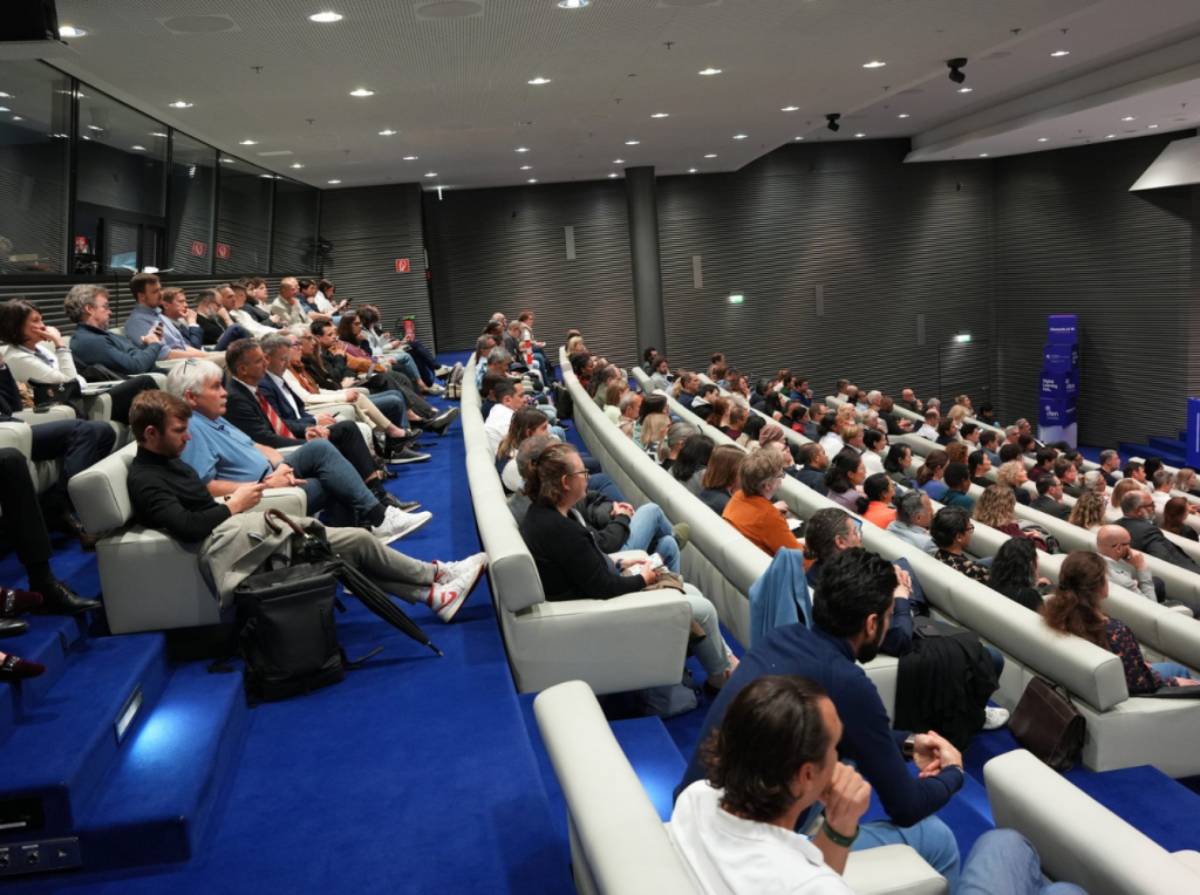
A significant milestone in Europe’s digital transformation journey has emerged as Luxembourg reports that 1% of its population has completed foundational artificial intelligence education through the Elements of AI programme. The achievement highlights growing national efforts to prepare citizens and businesses for an AI-driven economy, signalling a strategic shift with implications for workforce development, competitiveness, and long-term economic resilience across Europe.
Luxembourg has reached a symbolic benchmark in its national AI education campaign, with approximately 1% of residents completing the Elements of AI course. The initiative forms part of a broader effort to democratize artificial intelligence knowledge and make digital skills accessible beyond the traditional technology sector.
The programme encourages participation from students, professionals, public-sector employees, and entrepreneurs, creating a wider understanding of AI's capabilities and limitations. Policymakers and ecosystem leaders view the achievement as evidence that AI literacy can be scaled nationally through coordinated public-private collaboration.
The milestone arrives as governments across Europe intensify efforts to strengthen digital sovereignty, improve workforce readiness, and ensure citizens can participate effectively in an increasingly AI-enabled economy.
The development aligns with a broader trend across global markets where AI literacy is becoming a strategic national priority. As artificial intelligence moves from research labs into mainstream business operations, governments are increasingly focused on equipping citizens with the skills necessary to understand and utilize emerging technologies.
Countries worldwide are investing heavily in AI infrastructure, talent development, and digital education initiatives. However, one of the greatest challenges remains the skills gap between technological advancement and workforce preparedness. Organizations frequently report difficulties finding employees who possess both technical expertise and practical AI understanding.
Europe has responded through various digital transformation strategies aimed at strengthening competitiveness while maintaining ethical and regulatory safeguards. Luxembourg, despite its relatively small population, has established itself as an innovation-friendly environment with ambitions to play a meaningful role in Europe's technology landscape.
The push toward AI literacy reflects a recognition that future economic growth will depend not only on AI developers and engineers but also on business leaders, policymakers, educators, and citizens who understand how AI impacts decision-making, productivity, and innovation.
Technology analysts increasingly argue that AI literacy should be viewed as a foundational competency, comparable to digital literacy in previous decades. Experts note that widespread understanding of AI can improve adoption rates, reduce misconceptions, and strengthen trust in emerging technologies.
Industry leaders have consistently emphasized that successful AI deployment depends as much on organizational readiness as technological capability. Employees who understand AI fundamentals are better positioned to identify use cases, manage risks, and collaborate effectively with technical teams.
Education advocates view Luxembourg's achievement as an example of how targeted learning programmes can accelerate national preparedness without requiring extensive technical backgrounds. The focus on accessibility broadens participation and helps reduce barriers to entry.
Analysts also suggest that nations investing early in AI education may gain competitive advantages in attracting innovation, talent, and investment. As AI adoption accelerates globally, countries with digitally confident populations are likely to be better positioned to capitalize on emerging economic opportunities.
For business leaders, the milestone demonstrates the growing importance of workforce AI readiness. Organizations increasingly recognize that AI transformation is not solely a technology investment but also a human capital challenge. Companies may need to expand training programmes and develop AI literacy initiatives across all levels of their workforce.
Investors could interpret such developments as indicators of a region's long-term innovation capacity and attractiveness for technology-driven enterprises. A digitally skilled population can enhance productivity, accelerate startup formation, and support economic diversification.
For policymakers, Luxembourg's progress provides a potential model for balancing technological advancement with public education. Governments may increasingly prioritize AI awareness programmes to ensure citizens can participate in the digital economy while understanding ethical, security, and societal implications.
Consumers stand to benefit through greater digital confidence, improved employability, and enhanced understanding of AI-powered products and services. The next phase of AI literacy initiatives will likely focus on expanding participation, introducing advanced learning pathways, and integrating AI education into broader workforce development strategies. Decision-makers will watch whether literacy gains translate into measurable economic and innovation outcomes.
As artificial intelligence becomes embedded across industries, countries that successfully combine technological investment with widespread public understanding may emerge as leaders in the next era of digital competitiveness. Luxembourg's milestone represents an early indicator of that evolving race.
Source: Silicon Luxembourg
Date: June 24, 2026


