



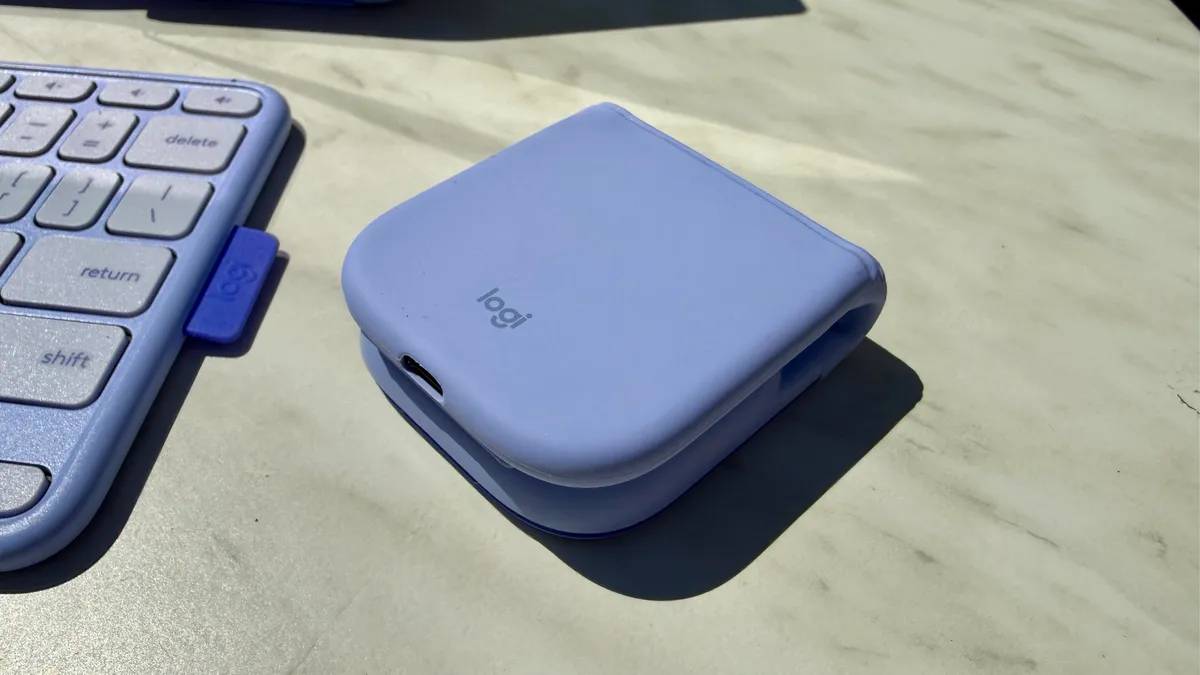
Logitech’s latest Mobi Fold Mouse is drawing attention for its ultra-portable, foldable design aimed at mobile professionals. While the device emphasizes travel-friendly convenience and sleek aesthetics, early reviews highlight a growing tension between compact hardware innovation and ergonomic comfort. The product reflects broader shifts in computing accessories tailored for hybrid and on-the-go work environments.
The Logitech Mobi Fold Mouse introduces a compact folding mechanism that allows users to flatten the device for easy storage and portability. Designed for frequent travelers and remote workers, it targets the growing demand for lightweight productivity tools.
However, usability feedback indicates a trade-off between portability and long-term hand comfort, with some users reporting strain during extended use. The product continues Logitech’s strategy of expanding its mobile-first accessory lineup. Key markets include professionals in hybrid work setups and digital nomads. The launch also reflects competitive pressure in the peripherals space, where design innovation is increasingly prioritized alongside functionality and ergonomics.
The rise of hybrid work has reshaped demand for compact, travel-ready computing accessories. Companies like Logitech have increasingly focused on designing peripherals that support mobility without sacrificing core functionality. The Mobi Fold Mouse sits within this broader trend of miniaturized productivity hardware optimized for laptops, tablets, and mobile workstations.
Historically, mouse design has prioritized ergonomics and precision for desk-bound users. However, the shift toward distributed work environments has forced manufacturers to rethink form factors. Foldable and collapsible devices represent a new design frontier, balancing convenience against usability constraints. This evolution mirrors broader consumer electronics trends where portability often competes directly with performance and comfort.
Industry observers note that foldable input devices represent a niche but growing segment in the peripherals market. Analysts suggest that while portability is a strong selling point, ergonomic compromises could limit long-term adoption among heavy users.
Human-computer interaction specialists emphasize that repetitive strain and comfort remain critical success factors for input devices, particularly in professional settings. Some reviewers argue that Logitech is strategically targeting a “secondary device” category rather than replacing full-size ergonomic mice.
While Logitech has not positioned the Mobi Fold Mouse as a productivity flagship, its design reflects ongoing experimentation in mobile-first hardware ecosystems. Experts also highlight that consumer feedback will likely determine whether foldable peripherals become mainstream or remain situational accessories.
For businesses, the product underscores growing demand for portable productivity tools in hybrid work environments. Enterprises equipping mobile workforces may see increased interest in compact peripherals, though usability limitations could influence procurement decisions.
For Logitech and competitors, innovation in form factor design is becoming a key differentiator in a saturated accessories market. Investors may view this as part of a broader push toward premium, design-led hardware segmentation.
From a consumer standpoint, the trade-off between ergonomics and portability raises questions about workplace wellness in increasingly mobile work setups. While not a regulatory issue yet, long-term ergonomic concerns could shape future product standards and occupational health guidelines.
Future iterations of foldable mice will likely focus on improving ergonomics without sacrificing portability. Advances in materials science and adaptive design could help bridge the gap between comfort and compactness. Market reception of the Mobi Fold Mouse will determine whether Logitech expands the concept into a broader product line or limits it to niche use cases. The key test will be sustained usability in real-world professional environments.
Source: CNET
Date: June 2026


