
ListenToYoutube.Online Supports Digital Audio Access

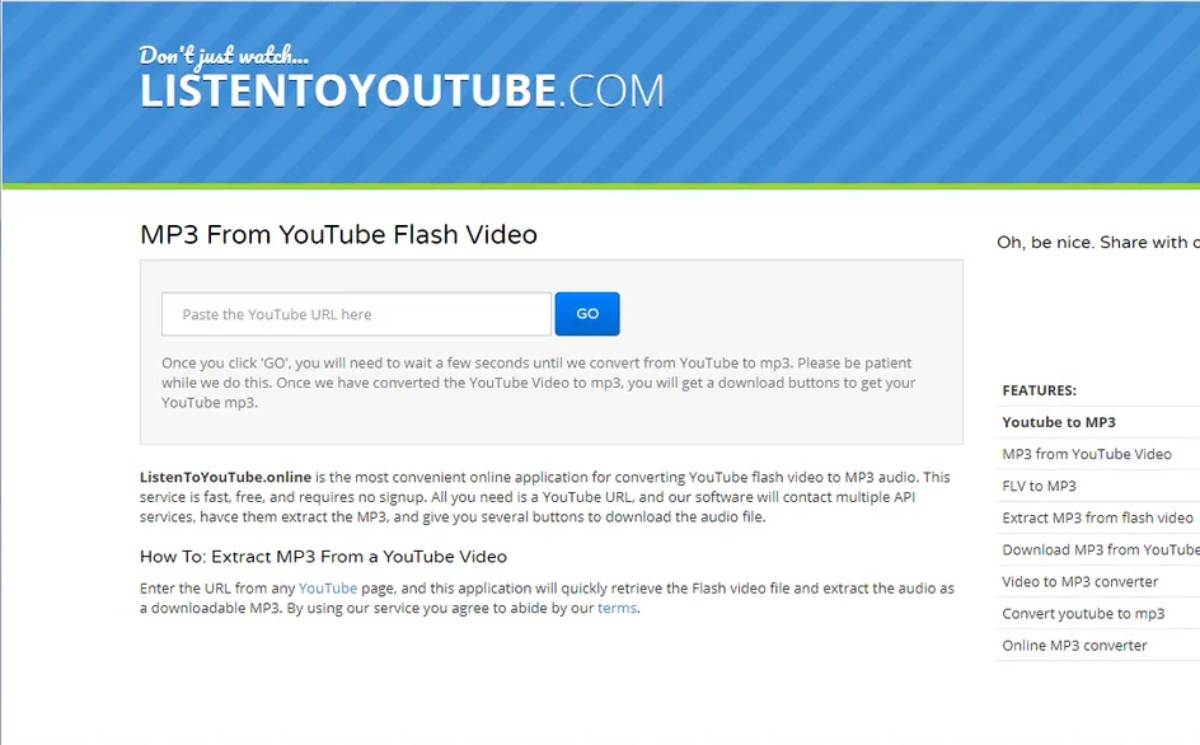
ListenToYoutube.Online provides users with an online tool designed to convert audio from supported video sources into downloadable formats for offline listening.

July 29, 2026
|

ListenToYoutube.Online illustrates the continued demand for web-based media conversion services that enable users to access audio content from online videos. The platform highlights broader developments in digital media consumption, while reinforcing ongoing discussions around copyright compliance, platform governance, and the future of licensed content distribution in the global entertainment industry.

ListenToYoutube.Online provides users with an online tool designed to convert audio from supported video sources into downloadable formats for offline listening. The service reflects growing consumer demand for flexible media access across devices without requiring dedicated software installations.

Its presence comes as digital entertainment continues shifting toward streaming-first models supported by subscription services and cloud delivery. The popularity of browser-based conversion tools demonstrates changing user expectations regarding portability and convenience. At the same time, these platforms operate within a complex environment involving content owners, streaming companies, technology developers, and regulators responsible for protecting intellectual property rights.

The rapid expansion of streaming platforms has fundamentally transformed how consumers access music, podcasts, educational content, and video entertainment. While licensed streaming services dominate the market, demand for offline access and format flexibility continues to drive interest in online conversion tools.

This trend reflects wider changes in digital consumer behavior, where users increasingly expect seamless access across smartphones, computers, and connected devices. Meanwhile, media companies have invested heavily in subscription-based ecosystems designed to provide licensed content while protecting creator revenues.

The growth of media conversion platforms has also intensified discussions surrounding copyright enforcement, digital rights management (DRM), and online platform accountability. Governments, regulators, and technology firms continue refining policies that balance innovation with legal compliance, ensuring that digital content ecosystems remain sustainable for creators, distributors, and consumers alike.

Digital media analysts argue that convenience remains one of the strongest drivers of consumer adoption across online entertainment services. Experts believe users increasingly favor browser-based tools that simplify content access while eliminating the need for additional software installations.

However, copyright specialists emphasize that media conversion technologies should be used in accordance with applicable intellectual property laws and platform terms of service. Industry observers also note that leading streaming providers are expanding licensed offline playback capabilities to address consumer demand within authorized ecosystems.

Although no official corporate statements accompany the platform's listing, analysts broadly agree that the future of digital media will depend on balancing user accessibility, technological innovation, and creator rights. Companies that successfully integrate these priorities are expected to strengthen long-term competitiveness in the digital entertainment market.

For businesses, the continued popularity of online conversion services demonstrates persistent demand for greater flexibility in digital media consumption. Streaming companies may respond by enhancing official offline listening features and improving cross-platform user experiences.

Investors should monitor developments in digital entertainment infrastructure, subscription services, and copyright technology, where innovation continues shaping competitive dynamics.

For policymakers, platforms operating in this space reinforce the need for balanced copyright legislation, stronger digital rights enforcement, and international cooperation on online content governance. Protecting intellectual property while encouraging responsible technological innovation remains a critical policy objective.

The digital media landscape is expected to evolve through stronger licensing frameworks, AI-assisted content management, and expanded legal offline access across streaming platforms. Decision-makers should closely monitor regulatory developments, consumer behavior, and emerging technologies influencing digital distribution. As demand for flexible content access continues to grow, sustainable innovation and copyright compliance will remain central to the future of the global entertainment ecosystem.

Source: AlternativeTo
Date: July 23, 2026

  • Featured tools
Outplay AI
Free

Outplay AI is a dynamic sales engagement platform combining AI-powered outreach, multi-channel automation, and performance tracking to help teams optimize conversion and pipeline generation.

#
Sales
Learn more
Beautiful AI
Free

Beautiful AI is an AI-powered presentation platform that automates slide design and formatting, enabling users to create polished, on-brand presentations quickly.

#
Presentation
Learn more

Learn more about future of AI

Join 80,000+ Ai enthusiast getting weekly updates on exciting AI tools.
Thank you! Your submission has been received!
Oops! Something went wrong while submitting the form.

ListenToYoutube.Online Supports Digital Audio Access

July 29, 2026

ListenToYoutube.Online provides users with an online tool designed to convert audio from supported video sources into downloadable formats for offline listening.

ListenToYoutube.Online illustrates the continued demand for web-based media conversion services that enable users to access audio content from online videos. The platform highlights broader developments in digital media consumption, while reinforcing ongoing discussions around copyright compliance, platform governance, and the future of licensed content distribution in the global entertainment industry.

ListenToYoutube.Online provides users with an online tool designed to convert audio from supported video sources into downloadable formats for offline listening. The service reflects growing consumer demand for flexible media access across devices without requiring dedicated software installations.

Its presence comes as digital entertainment continues shifting toward streaming-first models supported by subscription services and cloud delivery. The popularity of browser-based conversion tools demonstrates changing user expectations regarding portability and convenience. At the same time, these platforms operate within a complex environment involving content owners, streaming companies, technology developers, and regulators responsible for protecting intellectual property rights.

The rapid expansion of streaming platforms has fundamentally transformed how consumers access music, podcasts, educational content, and video entertainment. While licensed streaming services dominate the market, demand for offline access and format flexibility continues to drive interest in online conversion tools.

This trend reflects wider changes in digital consumer behavior, where users increasingly expect seamless access across smartphones, computers, and connected devices. Meanwhile, media companies have invested heavily in subscription-based ecosystems designed to provide licensed content while protecting creator revenues.

The growth of media conversion platforms has also intensified discussions surrounding copyright enforcement, digital rights management (DRM), and online platform accountability. Governments, regulators, and technology firms continue refining policies that balance innovation with legal compliance, ensuring that digital content ecosystems remain sustainable for creators, distributors, and consumers alike.

Digital media analysts argue that convenience remains one of the strongest drivers of consumer adoption across online entertainment services. Experts believe users increasingly favor browser-based tools that simplify content access while eliminating the need for additional software installations.

However, copyright specialists emphasize that media conversion technologies should be used in accordance with applicable intellectual property laws and platform terms of service. Industry observers also note that leading streaming providers are expanding licensed offline playback capabilities to address consumer demand within authorized ecosystems.

Although no official corporate statements accompany the platform's listing, analysts broadly agree that the future of digital media will depend on balancing user accessibility, technological innovation, and creator rights. Companies that successfully integrate these priorities are expected to strengthen long-term competitiveness in the digital entertainment market.

For businesses, the continued popularity of online conversion services demonstrates persistent demand for greater flexibility in digital media consumption. Streaming companies may respond by enhancing official offline listening features and improving cross-platform user experiences.

Investors should monitor developments in digital entertainment infrastructure, subscription services, and copyright technology, where innovation continues shaping competitive dynamics.

For policymakers, platforms operating in this space reinforce the need for balanced copyright legislation, stronger digital rights enforcement, and international cooperation on online content governance. Protecting intellectual property while encouraging responsible technological innovation remains a critical policy objective.

The digital media landscape is expected to evolve through stronger licensing frameworks, AI-assisted content management, and expanded legal offline access across streaming platforms. Decision-makers should closely monitor regulatory developments, consumer behavior, and emerging technologies influencing digital distribution. As demand for flexible content access continues to grow, sustainable innovation and copyright compliance will remain central to the future of the global entertainment ecosystem.

Source: AlternativeTo
Date: July 23, 2026

Promote Your Tool

Copy Embed Code

Similar Blogs

August 12, 2026
|

Calendar Software Reshapes Digital Workflows Efficiently

Modern calendar and scheduling platforms increasingly extend beyond basic appointment management. Core capabilities include shared calendars, automated scheduling, availability coordination.
Read more
August 12, 2026
|

Bomgar Advances Secure Remote IT Access

Bomgar, now associated with BeyondTrust's remote support portfolio, has built its technology around secure remote access for enterprise IT and customer support operations.
Read more
August 12, 2026
|

Acuity Scheduling Advances Digital Appointment

Acuity Scheduling provides businesses with online appointment booking, calendar management, automated reminders, payment collection and client management capabilities.
Read more
August 12, 2026
|

Acronis Advances Integrated Cloud Cybersecurity Solutions

Acronis Cyber Protect Cloud combines cybersecurity, data protection, endpoint management and disaster recovery within a unified platform for managed service providers.
Read more
August 12, 2026
|

FixMe.IT Advances Digital IT Management

FixMe.IT provides organizations with tools for managing IT help desk operations, service requests, incidents, problems and technology assets.
Read more
August 12, 2026
|

Vyond Advances AI Enterprise Video Creation

Vyond provides organizations with tools for creating animated, mixed-media and AI-assisted videos across business functions.
Read more