
Lenovo AI Momentum Drives Shares Higher

Lenovo shares surged following earnings results that highlighted robust AI-related growth across its business divisions. Investors responded positively to rising demand for AI-capable personal computers, servers, and enterprise technology solutions.

July 29, 2026
|
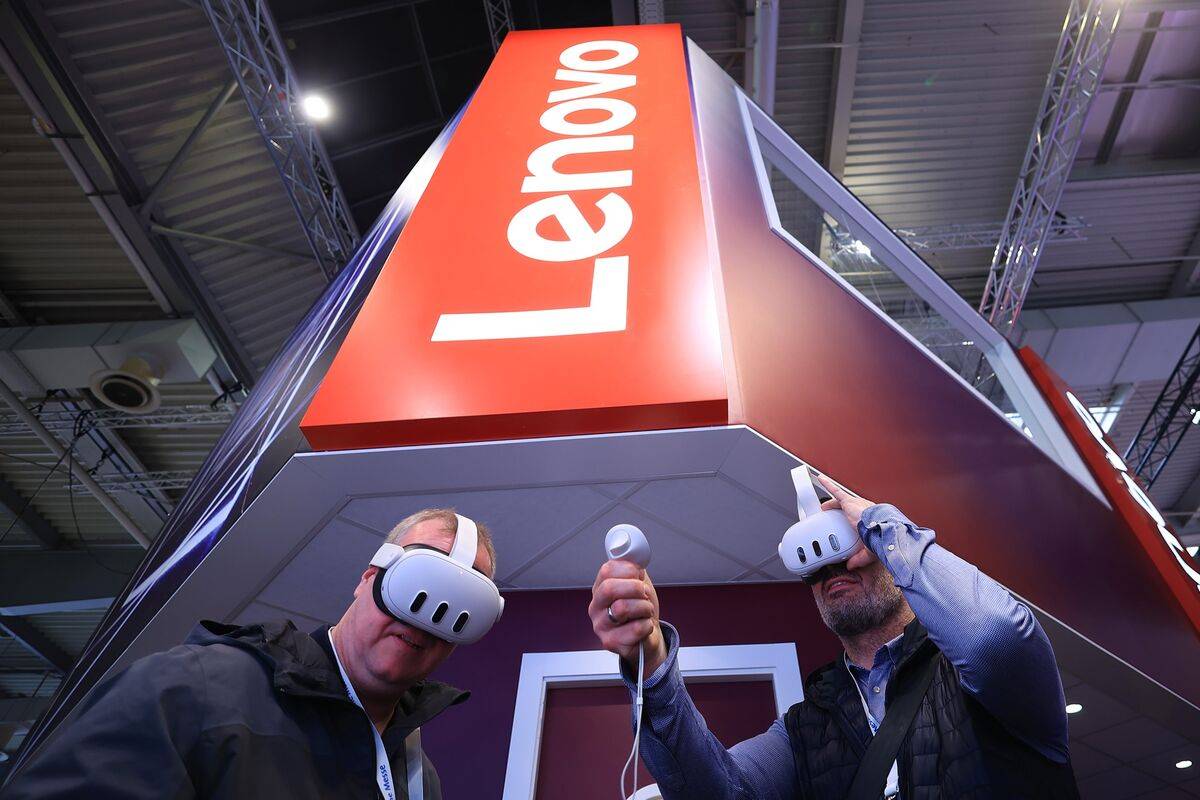
Image Source:  Bloomberg

Shares of Lenovo moved close to all-time highs after the technology giant reported strong earnings driven by accelerating demand for AI-enabled devices and enterprise infrastructure. The results reinforce growing investor confidence that artificial intelligence is reshaping the global PC market and creating new growth opportunities across enterprise computing and digital transformation sectors.

Lenovo shares surged following earnings results that highlighted robust AI-related growth across its business divisions. Investors responded positively to rising demand for AI-capable personal computers, servers, and enterprise technology solutions, reflecting broader momentum across the global AI hardware market.

The company indicated that enterprise customers are increasingly investing in AI infrastructure and next-generation computing systems as businesses accelerate digital transformation initiatives. Lenovo’s performance also signals improving conditions in the PC sector after years of uneven post-pandemic demand.

Market analysts viewed the earnings as another indication that AI spending is expanding beyond cloud providers and semiconductor firms into device manufacturers and enterprise hardware suppliers. The rally positioned Lenovo among the latest beneficiaries of sustained investor enthusiasm surrounding AI-driven technology growth.

The results come amid a wider global surge in AI-related investment across hardware, software, and enterprise infrastructure markets. Technology companies worldwide are repositioning their strategies to capitalize on rising demand for AI-capable systems as corporations integrate machine learning and automation into daily operations.

The personal computer industry, which experienced significant volatility after the pandemic-era demand boom, is now seeking a new growth cycle centered around AI-enabled devices. Industry leaders have increasingly promoted “AI PCs” equipped with advanced processors designed to handle on-device AI tasks, enhanced productivity features, and real-time computing applications.

Lenovo’s gains also reflect Asia’s growing importance in the evolving AI ecosystem. Chinese and regional technology firms are competing aggressively to secure leadership positions in enterprise hardware, cloud infrastructure, and intelligent computing systems while navigating geopolitical tensions surrounding semiconductors and supply chains.

Historically, hardware manufacturers have faced pressure from slowing margins and commoditization. However, AI adoption is creating opportunities for companies able to position themselves as critical infrastructure providers for the next generation of enterprise computing. Investors are increasingly rewarding firms perceived as central beneficiaries of long-term AI spending cycles.

Market strategists interpreted Lenovo’s results as evidence that AI demand is beginning to generate measurable financial impact across broader technology supply chains. Analysts noted that while semiconductor firms initially dominated the AI rally, hardware manufacturers are now emerging as secondary beneficiaries as enterprises upgrade computing systems to support AI workloads.

Industry experts suggest the rise of AI PCs could trigger a replacement cycle similar to previous transitions involving cloud computing and mobile productivity. Executives across the sector have argued that AI integration may fundamentally reshape how businesses use computing devices by enabling more personalized, automated, and locally processed applications.

Analysts also highlighted Lenovo’s diversified business structure, including enterprise infrastructure and data-center operations, as a strategic advantage in capturing AI-related growth opportunities. The company’s global footprint positions it to benefit from rising enterprise spending across both developed and emerging markets.

At the same time, experts continue to caution that competitive pressures remain intense. Technology firms face ongoing challenges related to semiconductor supply chains, geopolitical trade restrictions, pricing pressures, and uncertainty over the pace of long-term AI monetization beyond initial adoption enthusiasm.

For corporate leaders, Lenovo’s earnings reinforce the accelerating importance of AI infrastructure investment across industries. Businesses may increasingly prioritize upgrades to AI-capable devices, servers, and enterprise systems as competition intensifies around automation, productivity, and digital efficiency.

Investors are likely to interpret the results as further validation that AI spending is broadening beyond chipmakers into the wider technology ecosystem, including device manufacturers and enterprise computing firms. The momentum could strengthen valuations across AI-linked hardware sectors globally.

From a policy standpoint, governments may continue emphasizing semiconductor resilience, advanced manufacturing investment, and domestic technology infrastructure development. Rising demand for AI hardware also increases pressure on policymakers to address supply-chain security, export controls, and energy requirements linked to expanding global computing capacity.

Attention will now shift toward whether Lenovo can sustain AI-driven growth momentum amid intensifying global competition and evolving enterprise spending patterns. Investors and industry executives will closely monitor demand for AI PCs, infrastructure deployments, and broader corporate technology upgrades over the coming quarters.

The company’s performance signals a larger transformation underway across the technology sector: artificial intelligence is no longer confined to software innovation alone, but is increasingly redefining the economics of global computing hardware markets.

Source: Bloomberg
Date: May 22, 2026

  • Featured tools
Hostinger Horizons
Freemium

Hostinger Horizons is an AI-powered platform that allows users to build and deploy custom web applications without writing code. It packs hosting, domain management and backend integration into a unified tool for rapid app creation.

#
Startup Tools
#
Coding
#
Project Management
Learn more
Beautiful AI
Free

Beautiful AI is an AI-powered presentation platform that automates slide design and formatting, enabling users to create polished, on-brand presentations quickly.

#
Presentation
Learn more

Learn more about future of AI

Join 80,000+ Ai enthusiast getting weekly updates on exciting AI tools.
Thank you! Your submission has been received!
Oops! Something went wrong while submitting the form.

Lenovo AI Momentum Drives Shares Higher

July 29, 2026

Lenovo shares surged following earnings results that highlighted robust AI-related growth across its business divisions. Investors responded positively to rising demand for AI-capable personal computers, servers, and enterprise technology solutions.

Image Source:  Bloomberg

Shares of Lenovo moved close to all-time highs after the technology giant reported strong earnings driven by accelerating demand for AI-enabled devices and enterprise infrastructure. The results reinforce growing investor confidence that artificial intelligence is reshaping the global PC market and creating new growth opportunities across enterprise computing and digital transformation sectors.

Lenovo shares surged following earnings results that highlighted robust AI-related growth across its business divisions. Investors responded positively to rising demand for AI-capable personal computers, servers, and enterprise technology solutions, reflecting broader momentum across the global AI hardware market.

The company indicated that enterprise customers are increasingly investing in AI infrastructure and next-generation computing systems as businesses accelerate digital transformation initiatives. Lenovo’s performance also signals improving conditions in the PC sector after years of uneven post-pandemic demand.

Market analysts viewed the earnings as another indication that AI spending is expanding beyond cloud providers and semiconductor firms into device manufacturers and enterprise hardware suppliers. The rally positioned Lenovo among the latest beneficiaries of sustained investor enthusiasm surrounding AI-driven technology growth.

The results come amid a wider global surge in AI-related investment across hardware, software, and enterprise infrastructure markets. Technology companies worldwide are repositioning their strategies to capitalize on rising demand for AI-capable systems as corporations integrate machine learning and automation into daily operations.

The personal computer industry, which experienced significant volatility after the pandemic-era demand boom, is now seeking a new growth cycle centered around AI-enabled devices. Industry leaders have increasingly promoted “AI PCs” equipped with advanced processors designed to handle on-device AI tasks, enhanced productivity features, and real-time computing applications.

Lenovo’s gains also reflect Asia’s growing importance in the evolving AI ecosystem. Chinese and regional technology firms are competing aggressively to secure leadership positions in enterprise hardware, cloud infrastructure, and intelligent computing systems while navigating geopolitical tensions surrounding semiconductors and supply chains.

Historically, hardware manufacturers have faced pressure from slowing margins and commoditization. However, AI adoption is creating opportunities for companies able to position themselves as critical infrastructure providers for the next generation of enterprise computing. Investors are increasingly rewarding firms perceived as central beneficiaries of long-term AI spending cycles.

Market strategists interpreted Lenovo’s results as evidence that AI demand is beginning to generate measurable financial impact across broader technology supply chains. Analysts noted that while semiconductor firms initially dominated the AI rally, hardware manufacturers are now emerging as secondary beneficiaries as enterprises upgrade computing systems to support AI workloads.

Industry experts suggest the rise of AI PCs could trigger a replacement cycle similar to previous transitions involving cloud computing and mobile productivity. Executives across the sector have argued that AI integration may fundamentally reshape how businesses use computing devices by enabling more personalized, automated, and locally processed applications.

Analysts also highlighted Lenovo’s diversified business structure, including enterprise infrastructure and data-center operations, as a strategic advantage in capturing AI-related growth opportunities. The company’s global footprint positions it to benefit from rising enterprise spending across both developed and emerging markets.

At the same time, experts continue to caution that competitive pressures remain intense. Technology firms face ongoing challenges related to semiconductor supply chains, geopolitical trade restrictions, pricing pressures, and uncertainty over the pace of long-term AI monetization beyond initial adoption enthusiasm.

For corporate leaders, Lenovo’s earnings reinforce the accelerating importance of AI infrastructure investment across industries. Businesses may increasingly prioritize upgrades to AI-capable devices, servers, and enterprise systems as competition intensifies around automation, productivity, and digital efficiency.

Investors are likely to interpret the results as further validation that AI spending is broadening beyond chipmakers into the wider technology ecosystem, including device manufacturers and enterprise computing firms. The momentum could strengthen valuations across AI-linked hardware sectors globally.

From a policy standpoint, governments may continue emphasizing semiconductor resilience, advanced manufacturing investment, and domestic technology infrastructure development. Rising demand for AI hardware also increases pressure on policymakers to address supply-chain security, export controls, and energy requirements linked to expanding global computing capacity.

Attention will now shift toward whether Lenovo can sustain AI-driven growth momentum amid intensifying global competition and evolving enterprise spending patterns. Investors and industry executives will closely monitor demand for AI PCs, infrastructure deployments, and broader corporate technology upgrades over the coming quarters.

The company’s performance signals a larger transformation underway across the technology sector: artificial intelligence is no longer confined to software innovation alone, but is increasingly redefining the economics of global computing hardware markets.

Source: Bloomberg
Date: May 22, 2026

Promote Your Tool

Copy Embed Code

Similar Blogs

August 14, 2026
|

Benefitfocus Expands Digital Benefits Administration

Benefitfocus provides cloud-based technology covering benefits enrollment, administration, communications, billing, payments and data exchange.
Read more
August 14, 2026
|

Travel Agent Revenue Models Evolve Digitally

Travel agencies can earn commissions when customers book hotels, cruises, tours, vacation packages and other travel products through them. Suppliers may pay agents for generating bookings, making commissions a traditional component of agency revenue.
Read more
August 14, 2026
|

Sofon Advances Guided Selling CPQ Automation

Sofon's platform combines guided selling, product configuration, pricing, quotation and sales-management capabilities. Guided questionnaires help sales teams identify customer requirements and translate them into suitable product configurations.
Read more
August 14, 2026
|

WellRyde Advances Medical Transportation Management

WellRyde provides technology for managing non-emergency medical transportation operations, including trip scheduling, dispatch coordination, transportation-provider management and reporting.
Read more
August 14, 2026
|

Review WAVE Advances Digital Patient Engagement

Review WAVE provides healthcare practices with tools for online appointment scheduling, two-way texting, automated appointment reminders, digital forms, web chat, marketing campaigns and online review generation.
Read more
August 14, 2026
|

Edgenuity Expands Digital Virtual Education

Edgenuity provides digital curriculum and learning solutions covering core academic subjects, electives, Advanced Placement and career-oriented education.
Read more