



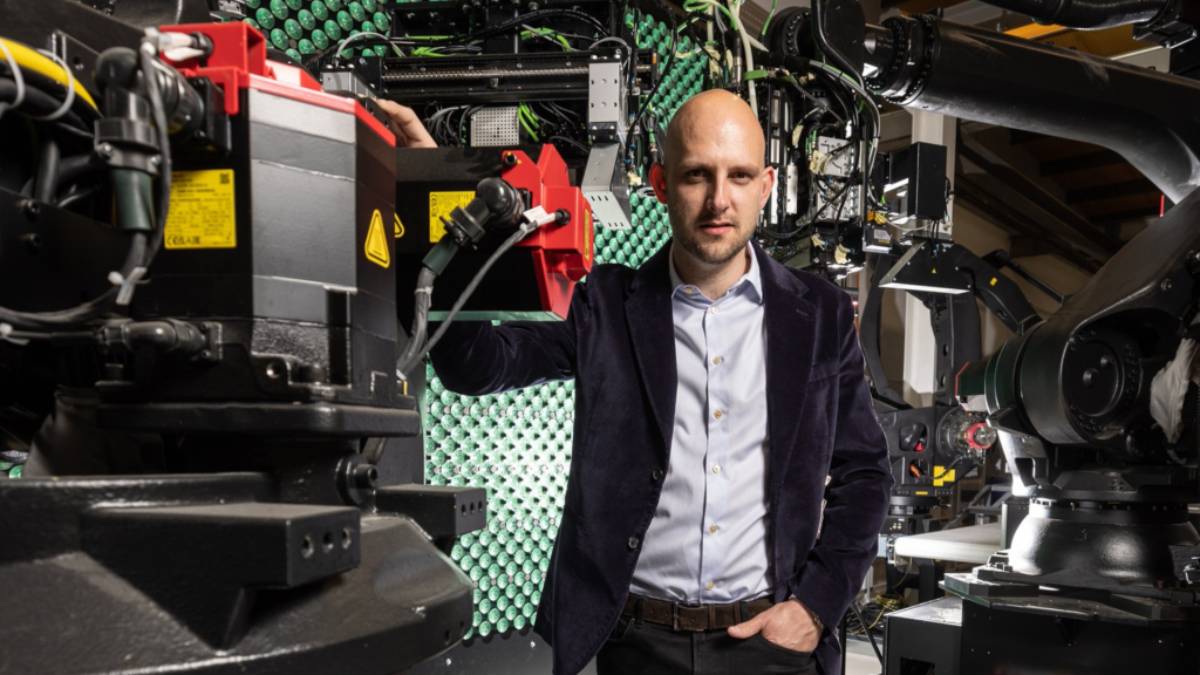
A major development in Europe’s sustainable construction sector unfolded as LEKO Labs surpassed €30 million in total funding to expand its timber-based building technology. The milestone highlights growing investor confidence in climate-focused construction innovation and reinforces Europe’s push toward low-carbon, industrialized building solutions.
LEKO Labs has reached more than €30 million in cumulative funding to accelerate the commercialization of its engineered timber construction technology across Europe. The Luxembourg-based company develops digitally designed, prefabricated structural systems intended to reduce construction emissions, improve energy efficiency, and shorten project timelines.
The newly secured capital will support manufacturing expansion, product development, and market growth across key European regions. As governments tighten environmental regulations and promote sustainable infrastructure, LEKO Labs aims to increase production capacity and strengthen partnerships with developers, architects, and construction firms seeking scalable alternatives to traditional building materials.
The funding milestone comes as the global construction industry faces mounting pressure to reduce its environmental footprint. Buildings account for a significant share of global carbon emissions, prompting policymakers and developers to seek low-carbon materials and modern construction methods. Engineered timber has emerged as a leading alternative because of its lower embodied carbon, renewable sourcing potential, and compatibility with modular manufacturing.
Across Europe, governments are introducing stricter energy-efficiency standards and incentivizing sustainable building practices through climate policies and green financing initiatives. At the same time, labor shortages and rising material costs are driving interest in prefabricated construction technologies that improve productivity while reducing waste.
LEKO Labs operates at the intersection of climate technology, digital engineering, and industrialized construction, reflecting a broader trend toward technology-enabled transformation of one of the world's largest and least digitized industries.
Industry experts view LEKO Labs' funding achievement as evidence that climate technology investment is expanding beyond renewable energy into the built environment. Analysts argue that construction technology is becoming an increasingly attractive sector as governments pursue net-zero targets and developers search for scalable, cost-effective sustainability solutions.
Market observers note that digital manufacturing combined with engineered timber can reduce project timelines while lowering lifecycle emissions, making the model attractive for residential, commercial, and public infrastructure projects. Investors also recognize the long-term opportunity created by Europe's regulatory focus on sustainable buildings and carbon reduction.
Although widespread adoption will depend on supply chain capacity, building code harmonization, and market acceptance, experts believe companies that successfully industrialize green construction could become key players in Europe's next phase of infrastructure modernization.
For construction firms and developers, LEKO Labs' expansion signals increasing availability of scalable low-carbon building technologies that can improve efficiency while meeting sustainability requirements. Companies may need to reassess procurement strategies and integrate prefabricated timber solutions into future projects.
For investors, the funding reinforces confidence in climate technology beyond energy generation, highlighting construction as a high-growth innovation sector. Policymakers may also accelerate incentives for sustainable materials, modular construction, and industrialized manufacturing as part of broader decarbonization strategies.
Businesses operating across the construction value chain should prepare for stricter environmental standards and growing demand for digitally enabled, low-emission building systems. The next phase for LEKO Labs will focus on expanding manufacturing capacity, strengthening commercial partnerships, and increasing adoption across European construction markets. Industry observers will monitor how rapidly the company scales production while maintaining cost competitiveness. As sustainability regulations continue to tighten, demand for engineered timber and digital construction technologies is expected to grow, creating new opportunities for climate-focused building innovators.
Source: Silicon Luxembourg
Date: June 30, 2026


