
LEGO Digital Designer Inspires Creative Building

LEGO Digital Designer established itself as one of the earliest official digital construction platforms for LEGO enthusiasts, allowing users to build virtual models using an extensive catalog of authentic LEGO bricks.

July 30, 2026
|

LEGO Digital Designer (LDD) continues to hold significance as a free virtual brick-building platform that enables users to create, visualize, and prototype LEGO models digitally. Although active development has ceased, the software remains widely referenced by hobbyists, educators, and designers, highlighting the enduring demand for accessible digital creativity tools within the expanding design software ecosystem.

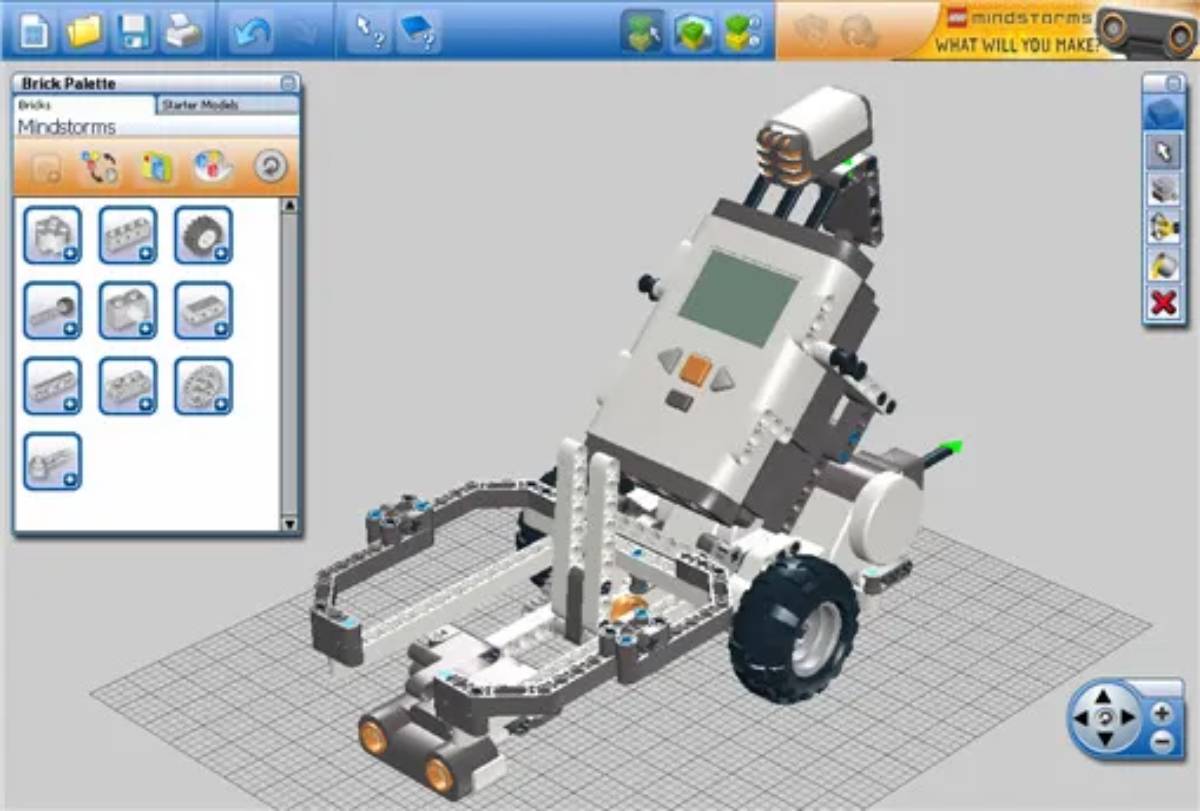
LEGO Digital Designer established itself as one of the earliest official digital construction platforms for LEGO enthusiasts, allowing users to build virtual models using an extensive catalog of authentic LEGO bricks. The software introduced intuitive drag-and-drop functionality, automatic brick alignment, and three-dimensional visualization, lowering barriers to digital model creation.

Despite LEGO ending active support in favor of newer creative platforms, the application continues to attract users seeking lightweight design software. Educational institutions, STEM programs, hobby communities, and independent creators still recognize LDD as an important milestone that helped bridge physical construction toys with modern digital design workflows.

Digital modeling has become increasingly important as industries embrace virtual prototyping, collaborative design, and interactive learning experiences. LEGO Digital Designer emerged during an era when consumer-friendly Computer-Aided Design (CAD) applications were gaining traction beyond engineering and architecture.

The platform introduced millions of users to digital modeling concepts without requiring professional technical expertise. Its accessibility encouraged creativity among students, educators, and hobbyists while demonstrating how intuitive interfaces could simplify complex design tasks.

The evolution of cloud collaboration, browser-based applications, and real-time rendering has since transformed the creative software landscape. Newer solutions now provide richer collaboration, larger digital libraries, AI-assisted design capabilities, and cross-platform accessibility. Nevertheless, LEGO Digital Designer remains historically significant for demonstrating how traditional consumer brands can successfully extend physical products into digital ecosystems, influencing future educational technology, digital gaming, and creative software development.

Industry analysts frequently cite LEGO Digital Designer as an early example of successful digital product extension within the toy industry. By allowing users to experiment virtually before building physical creations, the platform demonstrated how software could enhance customer engagement while strengthening brand loyalty.

Education specialists similarly recognize the software's contribution to STEM learning. Digital construction environments help students develop spatial reasoning, engineering principles, and problem-solving skills without requiring large inventories of physical components.

Technology observers note that although LEGO has shifted toward newer creative platforms and broader digital experiences, the legacy of LDD continues to influence modern educational software. Experts argue that its straightforward interface and accessible functionality established usability standards that remain relevant across today's maker communities, design education initiatives, and consumer-oriented creative applications.

For businesses, LEGO Digital Designer illustrates the long-term strategic value of integrating digital experiences with physical products. Manufacturers across education, gaming, consumer goods, and retail increasingly invest in digital companion platforms that improve customer engagement and product personalization.

Investors continue to view digital creativity tools as attractive markets due to rising adoption of STEM education, online learning, and creator-focused software. Educational policymakers may also encourage greater integration of accessible design applications into classrooms as governments emphasize digital literacy and technical skills development. Companies operating in creative software should continue prioritizing interoperability, cloud accessibility, and intuitive user experiences to remain competitive.

As digital creativity platforms continue evolving, LEGO's broader ecosystem is expected to emphasize cloud-based collaboration, immersive experiences, and AI-assisted design capabilities. Decision-makers should monitor how consumer brands increasingly combine physical products with digital engagement strategies. The continuing influence of LEGO Digital Designer demonstrates that intuitive, educational software can leave a lasting impact even after active product development concludes.

Source: AlternativeTo
Date: July 30, 2026

  • Featured tools
Tome AI
Free

Tome AI is an AI-powered storytelling and presentation tool designed to help users create compelling narratives and presentations quickly and efficiently. It leverages advanced AI technologies to generate content, images, and animations based on user input.

#
Presentation
#
Startup Tools
Learn more
Writesonic AI
Free

Writesonic AI is a versatile AI writing platform designed for marketers, entrepreneurs, and content creators. It helps users create blog posts, ad copies, product descriptions, social media posts, and more with ease. With advanced AI models and user-friendly tools, Writesonic streamlines content production and saves time for busy professionals.

#
Copywriting
Learn more

Learn more about future of AI

Join 80,000+ Ai enthusiast getting weekly updates on exciting AI tools.
Thank you! Your submission has been received!
Oops! Something went wrong while submitting the form.

LEGO Digital Designer Inspires Creative Building

July 30, 2026

LEGO Digital Designer established itself as one of the earliest official digital construction platforms for LEGO enthusiasts, allowing users to build virtual models using an extensive catalog of authentic LEGO bricks.

LEGO Digital Designer (LDD) continues to hold significance as a free virtual brick-building platform that enables users to create, visualize, and prototype LEGO models digitally. Although active development has ceased, the software remains widely referenced by hobbyists, educators, and designers, highlighting the enduring demand for accessible digital creativity tools within the expanding design software ecosystem.

LEGO Digital Designer established itself as one of the earliest official digital construction platforms for LEGO enthusiasts, allowing users to build virtual models using an extensive catalog of authentic LEGO bricks. The software introduced intuitive drag-and-drop functionality, automatic brick alignment, and three-dimensional visualization, lowering barriers to digital model creation.

Despite LEGO ending active support in favor of newer creative platforms, the application continues to attract users seeking lightweight design software. Educational institutions, STEM programs, hobby communities, and independent creators still recognize LDD as an important milestone that helped bridge physical construction toys with modern digital design workflows.

Digital modeling has become increasingly important as industries embrace virtual prototyping, collaborative design, and interactive learning experiences. LEGO Digital Designer emerged during an era when consumer-friendly Computer-Aided Design (CAD) applications were gaining traction beyond engineering and architecture.

The platform introduced millions of users to digital modeling concepts without requiring professional technical expertise. Its accessibility encouraged creativity among students, educators, and hobbyists while demonstrating how intuitive interfaces could simplify complex design tasks.

The evolution of cloud collaboration, browser-based applications, and real-time rendering has since transformed the creative software landscape. Newer solutions now provide richer collaboration, larger digital libraries, AI-assisted design capabilities, and cross-platform accessibility. Nevertheless, LEGO Digital Designer remains historically significant for demonstrating how traditional consumer brands can successfully extend physical products into digital ecosystems, influencing future educational technology, digital gaming, and creative software development.

Industry analysts frequently cite LEGO Digital Designer as an early example of successful digital product extension within the toy industry. By allowing users to experiment virtually before building physical creations, the platform demonstrated how software could enhance customer engagement while strengthening brand loyalty.

Education specialists similarly recognize the software's contribution to STEM learning. Digital construction environments help students develop spatial reasoning, engineering principles, and problem-solving skills without requiring large inventories of physical components.

Technology observers note that although LEGO has shifted toward newer creative platforms and broader digital experiences, the legacy of LDD continues to influence modern educational software. Experts argue that its straightforward interface and accessible functionality established usability standards that remain relevant across today's maker communities, design education initiatives, and consumer-oriented creative applications.

For businesses, LEGO Digital Designer illustrates the long-term strategic value of integrating digital experiences with physical products. Manufacturers across education, gaming, consumer goods, and retail increasingly invest in digital companion platforms that improve customer engagement and product personalization.

Investors continue to view digital creativity tools as attractive markets due to rising adoption of STEM education, online learning, and creator-focused software. Educational policymakers may also encourage greater integration of accessible design applications into classrooms as governments emphasize digital literacy and technical skills development. Companies operating in creative software should continue prioritizing interoperability, cloud accessibility, and intuitive user experiences to remain competitive.

As digital creativity platforms continue evolving, LEGO's broader ecosystem is expected to emphasize cloud-based collaboration, immersive experiences, and AI-assisted design capabilities. Decision-makers should monitor how consumer brands increasingly combine physical products with digital engagement strategies. The continuing influence of LEGO Digital Designer demonstrates that intuitive, educational software can leave a lasting impact even after active product development concludes.

Source: AlternativeTo
Date: July 30, 2026

Promote Your Tool

Copy Embed Code

Similar Blogs

July 30, 2026
|

Anicrush Advances AI Anime Discovery

Anicrush has emerged as an anime-focused discovery platform designed to help users explore, track, and engage with Japanese animation content.
Read more
July 30, 2026
|

Kids In Mind Enhances Family Entertainment Ratings

Kids-In-Mind continues to gain attention as audiences demand greater transparency around entertainment content rather than relying solely on traditional age-based ratings.
Read more
July 30, 2026
|

Bolt.diy Accelerates Open-Source AI Development

bolt.diy has emerged as an open-source alternative for building AI-assisted web applications directly in the browser, allowing developers to integrate multiple large language models (LLMs) while retaining flexibility over infrastructure choices.
Read more
July 30, 2026
|

Blob.io Simplifies Cloud Team Collaboration

Blob.io has emerged as part of a broader generation of browser-first collaboration platforms designed to simplify content sharing and digital teamwork without requiring complex software installations.
Read more
July 30, 2026
|

Films Gratis Expands Free Movie Discovery

Films Gratis provides users with a centralized platform for discovering and accessing information about free movies available online.
Read more
July 30, 2026
|

Mesen Advances Retro Gaming Preservatio

Mesen has established itself as one of the most technically accurate emulators for legacy Nintendo platforms, offering compatibility with the Nintendo Entertainment System (NES), Super Nintendo Entertainment System (SNES), Game Boy, and other classic consoles.
Read more