
Kioxia Surges Amid AI Memory Boom

Kioxia experienced strong investor demand after reporting profits boosted by rising AI-related memory consumption and broader demand for advanced storage technologies.

July 29, 2026
|
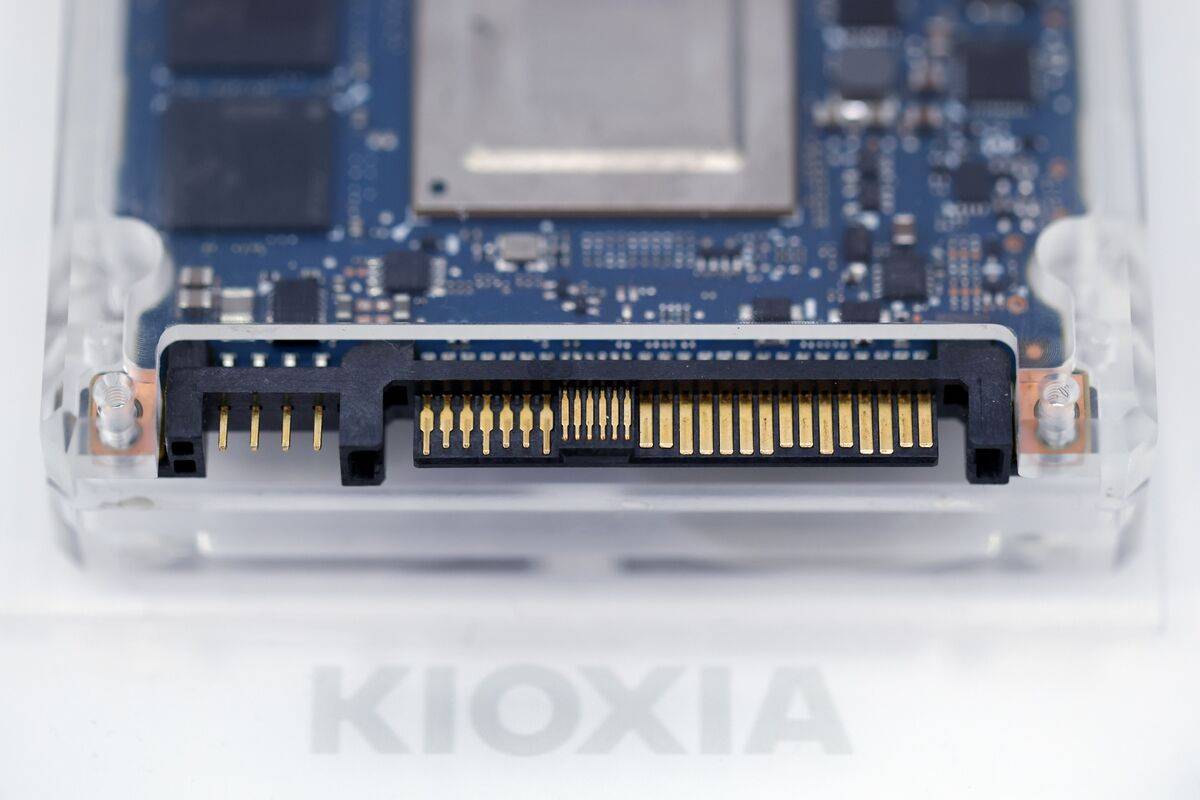
Image Source: Bloomberg

A major signal from the global semiconductor market emerged as Kioxia shares were flooded with buy orders following a sharp AI-driven profit surge. The development underscores how artificial intelligence is rapidly reshaping demand across the memory-chip industry, strengthening investor confidence in next-generation data infrastructure and high-performance computing markets.

Kioxia experienced strong investor demand after reporting profits boosted by rising AI-related memory consumption and broader demand for advanced storage technologies. The Japanese memory-chip manufacturer, formerly part of Toshiba’s semiconductor business, has benefited from increasing requirements for NAND flash storage and high-speed memory systems used in AI servers, cloud computing infrastructure, and data-intensive applications. Market activity suggested investors viewed the company’s performance as evidence of a sustained semiconductor recovery driven by artificial intelligence expansion.

The surge comes as global technology firms continue investing aggressively in AI infrastructure, including advanced data centers, training clusters, and enterprise AI deployment. Semiconductor manufacturers tied to memory, storage, and AI acceleration technologies are increasingly emerging as major beneficiaries of the current AI investment cycle.

The development aligns with a broader transformation across the global semiconductor industry, where artificial intelligence is creating unprecedented demand for advanced computing infrastructure. While much attention has focused on AI processors and GPUs, memory and storage technologies have become equally critical components in enabling large-scale AI workloads.

AI models require enormous volumes of high-speed data processing, storage access, and energy-efficient memory architectures. This has accelerated demand for NAND flash memory, high-bandwidth memory systems, and next-generation storage technologies capable of supporting cloud-scale AI operations.

Kioxia operates in a highly competitive market alongside firms such as Samsung Electronics, SK Hynix, and Micron Technology. The industry has historically been cyclical, characterized by volatile pricing and fluctuating supply-demand dynamics. However, analysts increasingly believe AI may create a more sustained structural demand environment than previous semiconductor cycles.

The geopolitical dimension is also significant. Semiconductor supply chains remain deeply intertwined with U.S.-China technology competition, export restrictions, and national industrial strategies. Japan has become increasingly important within global semiconductor diversification efforts as governments seek resilient supply chains outside China-centric manufacturing ecosystems.

Industry analysts suggest Kioxia’s market surge reflects a growing realization that AI growth extends far beyond graphics processors and cloud platforms. Experts note that memory and storage suppliers are becoming foundational players in the broader AI infrastructure economy.

Technology strategists argue that the AI era is reshaping semiconductor value chains by increasing demand for integrated systems capable of processing massive datasets efficiently. Memory-intensive workloads associated with generative AI, inference operations, and enterprise-scale analytics are expected to sustain elevated investment across storage ecosystems for years.

Market observers also highlight that investor enthusiasm around Kioxia reflects renewed optimism in the semiconductor sector after several years of pricing pressure and inventory corrections. Analysts believe AI demand may help stabilize portions of the memory market that were previously vulnerable to severe cyclical downturns.

At the same time, experts caution that the industry remains exposed to geopolitical uncertainty, export-control risks, and potential oversupply concerns if manufacturers aggressively expand production capacity. Competitive pressures among Asian semiconductor giants are also expected to intensify as AI infrastructure spending accelerates globally.

For businesses, the rise in AI-driven memory demand reinforces the strategic importance of semiconductor supply chain resilience and infrastructure readiness. Enterprises expanding AI capabilities may face increasing competition for advanced storage and memory resources as global demand intensifies.

Investors are likely to view memory-chip manufacturers as increasingly important participants in the AI economy rather than secondary suppliers. Companies positioned within data infrastructure, cloud computing, and semiconductor manufacturing ecosystems could continue benefiting from sustained AI capital expenditure.

For policymakers, the development highlights the growing strategic significance of memory technologies within national semiconductor strategies. Governments may continue expanding industrial subsidies, research partnerships, and supply-chain diversification efforts to strengthen domestic access to critical semiconductor components.

The semiconductor industry is expected to remain heavily influenced by AI infrastructure spending as enterprises and governments scale next-generation computing capabilities. Decision-makers will closely monitor whether memory demand remains durable enough to support long-term profitability across the sector.

The next phase of the AI economy may depend not only on processing power, but on the ability of global semiconductor ecosystems to efficiently store, move, and manage massive volumes of data.

Source: Bloomberg
Date: May 18, 2026

  • Featured tools
Wonder AI
Free

Wonder AI is a versatile AI-powered creative platform that generates text, images, and audio with minimal input, designed for fast storytelling, visual creation, and audio content generation

#
Art Generator
Learn more
Alli AI
Free

Alli AI is an all-in-one, AI-powered SEO automation platform that streamlines on-page optimization, site auditing, speed improvements, schema generation, internal linking, and ranking insights.

#
SEO
Learn more

Learn more about future of AI

Join 80,000+ Ai enthusiast getting weekly updates on exciting AI tools.
Thank you! Your submission has been received!
Oops! Something went wrong while submitting the form.

Kioxia Surges Amid AI Memory Boom

July 29, 2026

Kioxia experienced strong investor demand after reporting profits boosted by rising AI-related memory consumption and broader demand for advanced storage technologies.

Image Source: Bloomberg

A major signal from the global semiconductor market emerged as Kioxia shares were flooded with buy orders following a sharp AI-driven profit surge. The development underscores how artificial intelligence is rapidly reshaping demand across the memory-chip industry, strengthening investor confidence in next-generation data infrastructure and high-performance computing markets.

Kioxia experienced strong investor demand after reporting profits boosted by rising AI-related memory consumption and broader demand for advanced storage technologies. The Japanese memory-chip manufacturer, formerly part of Toshiba’s semiconductor business, has benefited from increasing requirements for NAND flash storage and high-speed memory systems used in AI servers, cloud computing infrastructure, and data-intensive applications. Market activity suggested investors viewed the company’s performance as evidence of a sustained semiconductor recovery driven by artificial intelligence expansion.

The surge comes as global technology firms continue investing aggressively in AI infrastructure, including advanced data centers, training clusters, and enterprise AI deployment. Semiconductor manufacturers tied to memory, storage, and AI acceleration technologies are increasingly emerging as major beneficiaries of the current AI investment cycle.

The development aligns with a broader transformation across the global semiconductor industry, where artificial intelligence is creating unprecedented demand for advanced computing infrastructure. While much attention has focused on AI processors and GPUs, memory and storage technologies have become equally critical components in enabling large-scale AI workloads.

AI models require enormous volumes of high-speed data processing, storage access, and energy-efficient memory architectures. This has accelerated demand for NAND flash memory, high-bandwidth memory systems, and next-generation storage technologies capable of supporting cloud-scale AI operations.

Kioxia operates in a highly competitive market alongside firms such as Samsung Electronics, SK Hynix, and Micron Technology. The industry has historically been cyclical, characterized by volatile pricing and fluctuating supply-demand dynamics. However, analysts increasingly believe AI may create a more sustained structural demand environment than previous semiconductor cycles.

The geopolitical dimension is also significant. Semiconductor supply chains remain deeply intertwined with U.S.-China technology competition, export restrictions, and national industrial strategies. Japan has become increasingly important within global semiconductor diversification efforts as governments seek resilient supply chains outside China-centric manufacturing ecosystems.

Industry analysts suggest Kioxia’s market surge reflects a growing realization that AI growth extends far beyond graphics processors and cloud platforms. Experts note that memory and storage suppliers are becoming foundational players in the broader AI infrastructure economy.

Technology strategists argue that the AI era is reshaping semiconductor value chains by increasing demand for integrated systems capable of processing massive datasets efficiently. Memory-intensive workloads associated with generative AI, inference operations, and enterprise-scale analytics are expected to sustain elevated investment across storage ecosystems for years.

Market observers also highlight that investor enthusiasm around Kioxia reflects renewed optimism in the semiconductor sector after several years of pricing pressure and inventory corrections. Analysts believe AI demand may help stabilize portions of the memory market that were previously vulnerable to severe cyclical downturns.

At the same time, experts caution that the industry remains exposed to geopolitical uncertainty, export-control risks, and potential oversupply concerns if manufacturers aggressively expand production capacity. Competitive pressures among Asian semiconductor giants are also expected to intensify as AI infrastructure spending accelerates globally.

For businesses, the rise in AI-driven memory demand reinforces the strategic importance of semiconductor supply chain resilience and infrastructure readiness. Enterprises expanding AI capabilities may face increasing competition for advanced storage and memory resources as global demand intensifies.

Investors are likely to view memory-chip manufacturers as increasingly important participants in the AI economy rather than secondary suppliers. Companies positioned within data infrastructure, cloud computing, and semiconductor manufacturing ecosystems could continue benefiting from sustained AI capital expenditure.

For policymakers, the development highlights the growing strategic significance of memory technologies within national semiconductor strategies. Governments may continue expanding industrial subsidies, research partnerships, and supply-chain diversification efforts to strengthen domestic access to critical semiconductor components.

The semiconductor industry is expected to remain heavily influenced by AI infrastructure spending as enterprises and governments scale next-generation computing capabilities. Decision-makers will closely monitor whether memory demand remains durable enough to support long-term profitability across the sector.

The next phase of the AI economy may depend not only on processing power, but on the ability of global semiconductor ecosystems to efficiently store, move, and manage massive volumes of data.

Source: Bloomberg
Date: May 18, 2026

Promote Your Tool

Copy Embed Code

Similar Blogs

August 14, 2026
|

Benefitfocus Expands Digital Benefits Administration

Benefitfocus provides cloud-based technology covering benefits enrollment, administration, communications, billing, payments and data exchange.
Read more
August 14, 2026
|

Travel Agent Revenue Models Evolve Digitally

Travel agencies can earn commissions when customers book hotels, cruises, tours, vacation packages and other travel products through them. Suppliers may pay agents for generating bookings, making commissions a traditional component of agency revenue.
Read more
August 14, 2026
|

Sofon Advances Guided Selling CPQ Automation

Sofon's platform combines guided selling, product configuration, pricing, quotation and sales-management capabilities. Guided questionnaires help sales teams identify customer requirements and translate them into suitable product configurations.
Read more
August 14, 2026
|

WellRyde Advances Medical Transportation Management

WellRyde provides technology for managing non-emergency medical transportation operations, including trip scheduling, dispatch coordination, transportation-provider management and reporting.
Read more
August 14, 2026
|

Review WAVE Advances Digital Patient Engagement

Review WAVE provides healthcare practices with tools for online appointment scheduling, two-way texting, automated appointment reminders, digital forms, web chat, marketing campaigns and online review generation.
Read more
August 14, 2026
|

Edgenuity Expands Digital Virtual Education

Edgenuity provides digital curriculum and learning solutions covering core academic subjects, electives, Advanced Placement and career-oriented education.
Read more