
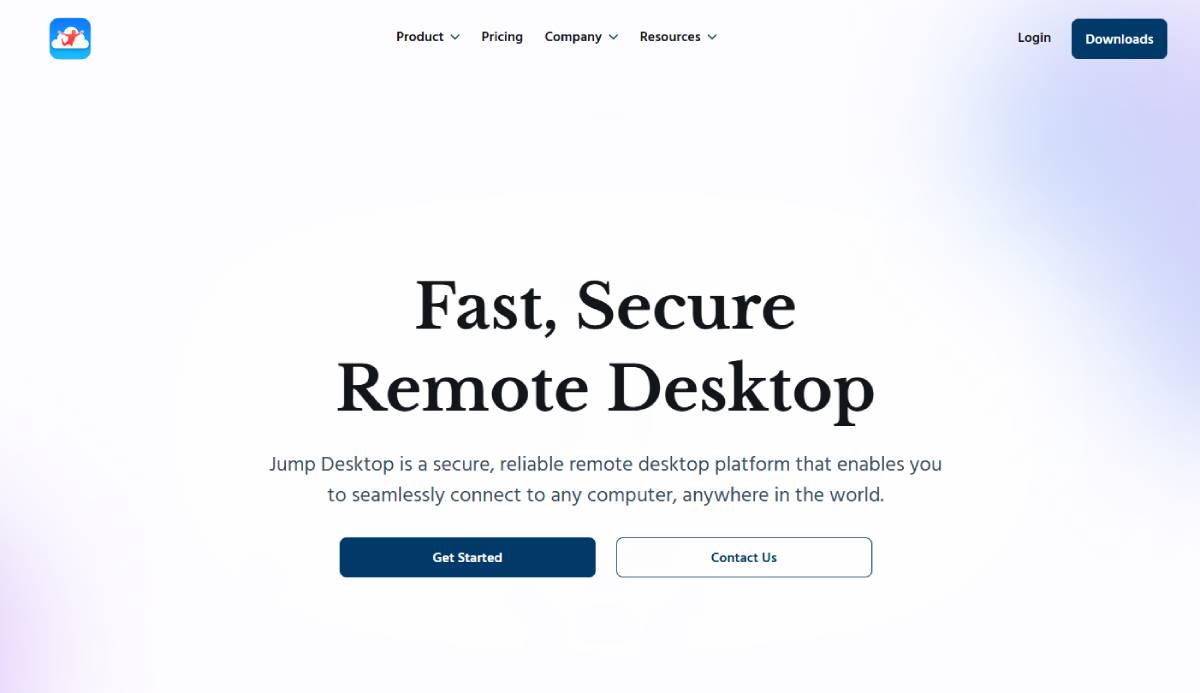
Jump Desktop Advances Secure Remote Infrastructure

Jump Desktop provides remote desktop software designed to allow users to connect to computers and work environments remotely.

August 14, 2026
|

Jump Desktop is strengthening the remote-access technology landscape as organizations increasingly depend on secure connections to computers and digital work environments from virtually anywhere. Its remote desktop capabilities address growing demand for flexible work, distributed teams and reliable access to business applications, positioning remote connectivity as an increasingly important component of modern IT infrastructure.

Jump Desktop provides remote desktop software designed to allow users to connect to computers and work environments remotely. Its technology supports access across devices and operating environments, enabling users to interact with remote machines without being physically present at the workstation.

The platform is relevant to professionals, distributed teams, IT administrators and organizations supporting remote or hybrid work models. Remote-access technology can help employees maintain productivity while allowing businesses to provide flexible working arrangements.

The wider market is increasingly focused on performance, security and ease of deployment as organizations manage geographically distributed workforces. For enterprises, remote-access infrastructure can also support IT administration, technical support and access to specialized applications or computing resources that may remain hosted on office or workstation infrastructure.

The global shift toward hybrid and distributed work has fundamentally changed how organizations approach computing infrastructure. Employees increasingly expect to access business resources regardless of their physical location, while companies seek to maintain security and operational control.

Remote desktop technology addresses this challenge by allowing users to access applications and files hosted on another computer. This can be particularly valuable for organizations that rely on specialized software, powerful workstations or centralized computing environments.

The technology also has applications beyond traditional remote work. Developers, designers, engineers and other professionals may need access to high-performance machines that are difficult to replicate on every endpoint.

At the same time, remote connectivity introduces cybersecurity considerations. Unsecured remote-access channels can create potential entry points for unauthorized users, making authentication, encryption and access controls increasingly important.

For executives, remote desktop infrastructure is therefore both a productivity tool and a component of broader IT-security and workforce strategy. Industry observers increasingly view remote-access technology as an important layer of modern digital workplace infrastructure. The emphasis has shifted from simply enabling remote connections toward delivering secure, responsive and reliable experiences across different networks and devices.

Performance is especially important for professionals working with graphics-intensive applications, development environments or large data sets. Latency and connection reliability can directly influence productivity.

Security is equally critical. Organizations need appropriate authentication, authorization and endpoint controls to ensure remote access does not compromise corporate systems.

Another consideration is usability. Remote-access solutions must be simple enough for employees to use without creating significant support requirements for IT teams.

Jump Desktop's positioning reflects these market priorities by focusing on remote connectivity across computing environments. The broader industry direction suggests that successful remote-access platforms will increasingly need to combine performance, security and cross-platform flexibility rather than compete solely on basic remote-control functionality.

For businesses, remote desktop technology can support hybrid work while reducing the need to replicate specialized computing environments across employee devices. Organizations may also use remote access for technical support, distributed operations and secure access to office-based resources.

Executives should evaluate performance, authentication, encryption, device compatibility, administrative controls and scalability before deploying remote-access infrastructure across an organization.

The policy and governance implications are significant. Remote access should be incorporated into broader cybersecurity policies, including identity management, endpoint security and access monitoring.

Businesses must also establish clear rules around which systems employees can access remotely and from which devices. As flexible work becomes more established, the ability to balance employee convenience with strong security controls will remain a central technology-management challenge.

Remote computing is likely to remain an important part of enterprise infrastructure as distributed work becomes increasingly normalized. Jump Desktop operates within a market that is evolving toward faster, more secure and more seamless remote experiences. Decision-makers should monitor developments in zero-trust security, identity management, cloud computing, device compatibility and performance optimization. The next stage of remote access will increasingly focus on making remote computing feel as responsive and secure as working directly from the local machine.

Source: Jump Desktop / Serchen
Date: August 14, 2026

  • Featured tools
Ai Fiesta
Paid

AI Fiesta is an all-in-one productivity platform that gives users access to multiple leading AI models through a single interface. It includes features like prompt enhancement, image generation, audio transcription and side-by-side model comparison.

#
Copywriting
#
Art Generator
Learn more
Writesonic AI
Free

Writesonic AI is a versatile AI writing platform designed for marketers, entrepreneurs, and content creators. It helps users create blog posts, ad copies, product descriptions, social media posts, and more with ease. With advanced AI models and user-friendly tools, Writesonic streamlines content production and saves time for busy professionals.

#
Copywriting
Learn more

Learn more about future of AI

Join 80,000+ Ai enthusiast getting weekly updates on exciting AI tools.
Thank you! Your submission has been received!
Oops! Something went wrong while submitting the form.

Jump Desktop Advances Secure Remote Infrastructure

August 14, 2026

Jump Desktop provides remote desktop software designed to allow users to connect to computers and work environments remotely.

Jump Desktop is strengthening the remote-access technology landscape as organizations increasingly depend on secure connections to computers and digital work environments from virtually anywhere. Its remote desktop capabilities address growing demand for flexible work, distributed teams and reliable access to business applications, positioning remote connectivity as an increasingly important component of modern IT infrastructure.

Jump Desktop provides remote desktop software designed to allow users to connect to computers and work environments remotely. Its technology supports access across devices and operating environments, enabling users to interact with remote machines without being physically present at the workstation.

The platform is relevant to professionals, distributed teams, IT administrators and organizations supporting remote or hybrid work models. Remote-access technology can help employees maintain productivity while allowing businesses to provide flexible working arrangements.

The wider market is increasingly focused on performance, security and ease of deployment as organizations manage geographically distributed workforces. For enterprises, remote-access infrastructure can also support IT administration, technical support and access to specialized applications or computing resources that may remain hosted on office or workstation infrastructure.

The global shift toward hybrid and distributed work has fundamentally changed how organizations approach computing infrastructure. Employees increasingly expect to access business resources regardless of their physical location, while companies seek to maintain security and operational control.

Remote desktop technology addresses this challenge by allowing users to access applications and files hosted on another computer. This can be particularly valuable for organizations that rely on specialized software, powerful workstations or centralized computing environments.

The technology also has applications beyond traditional remote work. Developers, designers, engineers and other professionals may need access to high-performance machines that are difficult to replicate on every endpoint.

At the same time, remote connectivity introduces cybersecurity considerations. Unsecured remote-access channels can create potential entry points for unauthorized users, making authentication, encryption and access controls increasingly important.

For executives, remote desktop infrastructure is therefore both a productivity tool and a component of broader IT-security and workforce strategy. Industry observers increasingly view remote-access technology as an important layer of modern digital workplace infrastructure. The emphasis has shifted from simply enabling remote connections toward delivering secure, responsive and reliable experiences across different networks and devices.

Performance is especially important for professionals working with graphics-intensive applications, development environments or large data sets. Latency and connection reliability can directly influence productivity.

Security is equally critical. Organizations need appropriate authentication, authorization and endpoint controls to ensure remote access does not compromise corporate systems.

Another consideration is usability. Remote-access solutions must be simple enough for employees to use without creating significant support requirements for IT teams.

Jump Desktop's positioning reflects these market priorities by focusing on remote connectivity across computing environments. The broader industry direction suggests that successful remote-access platforms will increasingly need to combine performance, security and cross-platform flexibility rather than compete solely on basic remote-control functionality.

For businesses, remote desktop technology can support hybrid work while reducing the need to replicate specialized computing environments across employee devices. Organizations may also use remote access for technical support, distributed operations and secure access to office-based resources.

Executives should evaluate performance, authentication, encryption, device compatibility, administrative controls and scalability before deploying remote-access infrastructure across an organization.

The policy and governance implications are significant. Remote access should be incorporated into broader cybersecurity policies, including identity management, endpoint security and access monitoring.

Businesses must also establish clear rules around which systems employees can access remotely and from which devices. As flexible work becomes more established, the ability to balance employee convenience with strong security controls will remain a central technology-management challenge.

Remote computing is likely to remain an important part of enterprise infrastructure as distributed work becomes increasingly normalized. Jump Desktop operates within a market that is evolving toward faster, more secure and more seamless remote experiences. Decision-makers should monitor developments in zero-trust security, identity management, cloud computing, device compatibility and performance optimization. The next stage of remote access will increasingly focus on making remote computing feel as responsive and secure as working directly from the local machine.

Source: Jump Desktop / Serchen
Date: August 14, 2026

Promote Your Tool

Copy Embed Code

Similar Blogs

August 14, 2026
|

AppRiver Strengthens Cloud Security Solutions

AppRiver provides cloud-based security and IT services designed to protect businesses against cyber threats while reducing the operational burden on internal technology teams.
Read more
August 14, 2026
|

Adapex Advances Smarter Digital Advertising Monetization

Adapex focuses on helping publishers maximize advertising revenue through technology, analytics and specialized optimization services.
Read more
August 14, 2026
|

Vensure Expands Integrated HR Services

Vensure Employer Services operates as a professional employer organization and workforce-management provider, supporting businesses across multiple administrative and compliance functions.
Read more
August 14, 2026
|

Joi ai Advances AI Business Productivity

Joi.ai operates within the expanding market for AI-powered productivity and business assistance tools.
Read more
August 14, 2026
|

Unbroker Disrupts Real Estate Sales

Unbroker positions its platform around helping homeowners sell properties while reducing dependence on conventional real estate agents.
Read more
August 14, 2026
|

Ensora Health Strengthens Digital Therapy

Ensora Health has built an integrated technology ecosystem supporting therapy practices across multiple disciplines, including physical, occupational, speech and behavioral healthcare.
Read more