



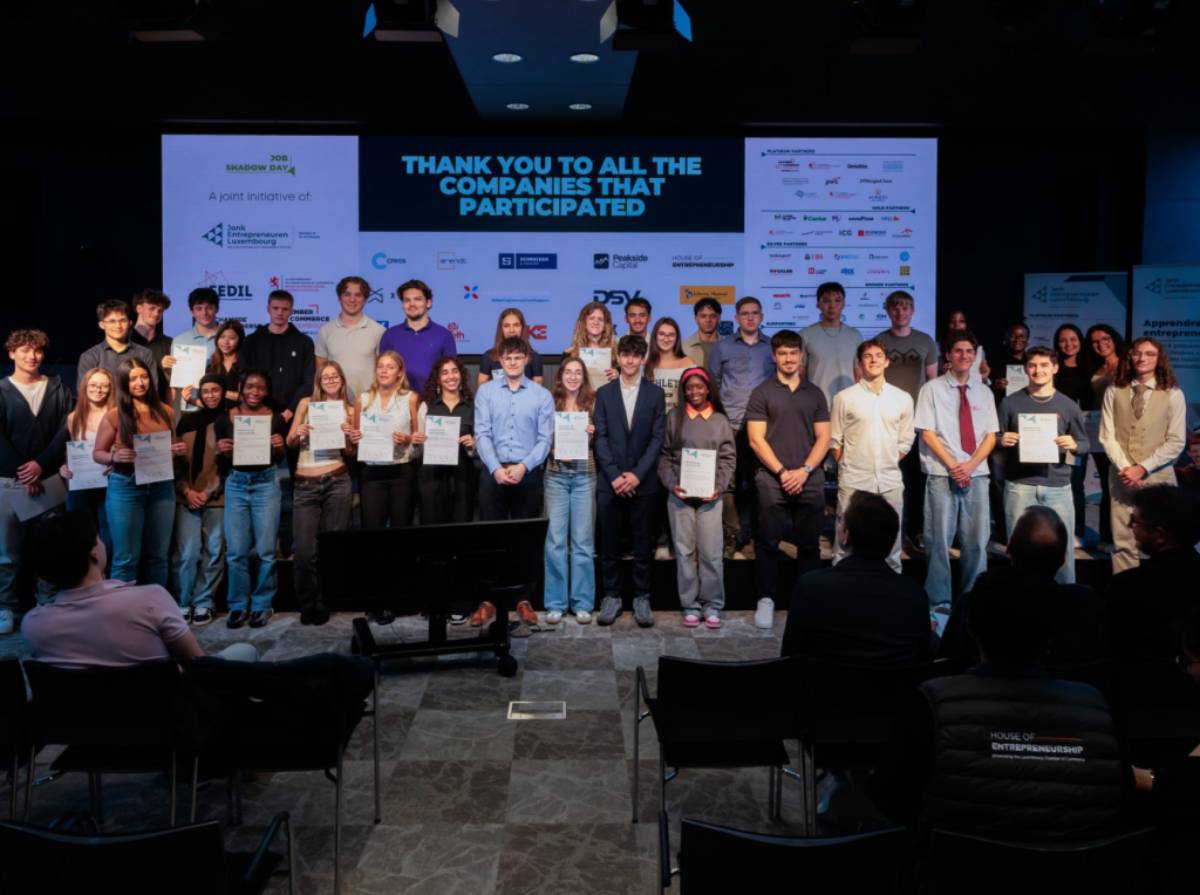
A workforce development initiative in Luxembourg is connecting students with professionals through immersive job-shadowing experiences, reinforcing efforts to bridge the gap between education and employment. The program reflects a broader strategy to develop future-ready talent as businesses across Europe compete for skilled workers in an increasingly digital economy.
Luxembourg's Job Shadow Day provided students and young professionals with direct exposure to workplaces across multiple industries, allowing participants to observe daily operations, interact with business leaders, and gain practical insight into potential career paths.
The initiative brought together employers, educational institutions, and industry partners to strengthen collaboration between academia and the private sector. Participating organizations showcased workplace culture, emerging technologies, and professional skills required across sectors including technology, finance, innovation, and entrepreneurship.
Organizers emphasized experiential learning as an effective way to help young people make informed career decisions while enabling employers to engage early with the country's next generation of talent.
The initiative aligns with a broader trend across global markets where governments and businesses are investing in workforce development to address growing skills shortages and prepare for rapidly changing labor market demands. Digital transformation, artificial intelligence, automation, and sustainability are reshaping employment requirements, increasing the need for practical learning opportunities beyond traditional classroom education.
Across Europe, employers report ongoing challenges in recruiting qualified talent with both technical expertise and workplace-ready skills. As a result, internships, apprenticeships, mentorship programs, and job-shadowing initiatives have become increasingly valuable tools for improving employability while strengthening collaboration between education systems and industry.
Luxembourg has prioritized innovation, digital skills, entrepreneurship, and international talent development as part of its long-term economic strategy. Programs that introduce students to real workplace environments support the country's ambition to remain competitive in technology-driven sectors while fostering stronger connections between future employees and local employers.
Education and workforce development specialists argue that early exposure to professional environments significantly improves career readiness by helping students understand workplace expectations, industry trends, and practical applications of academic learning.
Human resource leaders note that job-shadowing initiatives also benefit employers by strengthening employer branding, identifying future talent, and creating stronger relationships with educational institutions. Such programs can contribute to more effective recruitment strategies in competitive labor markets.
Industry analysts emphasize that future workforce competitiveness depends not only on technical education but also on communication, collaboration, adaptability, and problem-solving skills developed through practical experience.
Experts further suggest that partnerships between schools, universities, businesses, and innovation ecosystems will become increasingly important as technological change accelerates and organizations seek talent equipped for emerging industries and digital transformation.
For employers, job-shadowing initiatives represent a strategic investment in long-term talent acquisition and workforce planning while helping reduce future recruitment challenges.
Educational institutions may increasingly integrate experiential learning into curricula to better align graduates' skills with evolving industry requirements. Governments are likely to continue supporting programs that strengthen education-industry collaboration, improve youth employment outcomes, and address widening skills gaps across high-growth sectors.
For executives, investing in early-career engagement initiatives can enhance organizational reputation, support workforce sustainability, and strengthen long-term competitiveness in knowledge-based industries.
As labor markets continue evolving under the influence of digital transformation and artificial intelligence, experiential learning programs are expected to play a growing role in workforce development. Decision-makers should monitor how closer collaboration between education providers and employers contributes to stronger talent pipelines, improved employability, and sustained economic competitiveness across Europe.
Source: Silicon Luxembourg
Date: June 25, 2026


