
Japan Turns AI Caution Into Advantage

While the United States and China continue aggressive AI expansion, Japan has advanced more gradually, prioritizing industrial integration, robotics, and precision manufacturing over rapid consumer-facing AI rollouts.

May 25, 2026
|
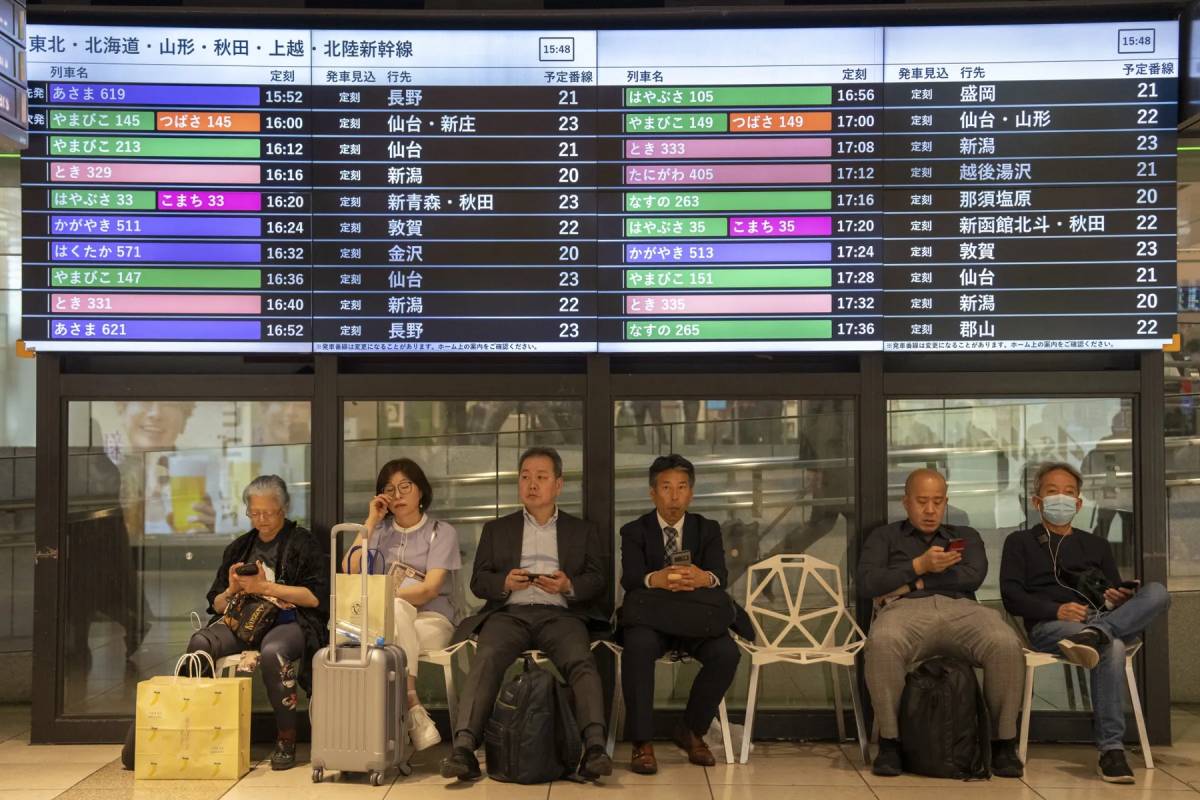
Image Source: Bloomberg Opinion

Japan may be slower than global rivals in adopting artificial intelligence, but analysts increasingly believe that cautious deployment could become a long-term competitive advantage. As governments and corporations confront rising concerns over regulation, ethics, and workforce disruption, Japan’s measured AI approach is attracting renewed attention from investors and policymakers.

While the United States and China continue aggressive AI expansion, Japan has advanced more gradually, prioritizing industrial integration, robotics, and precision manufacturing over rapid consumer-facing AI rollouts.

Analysts argue this slower pace has allowed Japanese corporations to avoid some of the volatility, regulatory scrutiny, and public backlash affecting faster-moving markets. Companies are increasingly focusing on practical enterprise AI applications tied to manufacturing efficiency, healthcare support, and aging-population challenges.

The discussion comes as global investors reassess AI valuations and governments worldwide debate safeguards surrounding automation, data governance, and labor displacement. Japan’s conservative corporate culture is now being reevaluated as a stabilizing factor rather than a competitive weakness.

For years, Japan was viewed as trailing behind the United States and China in the race to commercialize advanced artificial intelligence. Despite its historic leadership in robotics and electronics, the country struggled to produce globally dominant consumer AI platforms or large-scale generative AI ecosystems.

However, the broader AI landscape has shifted. Concerns surrounding misinformation, energy consumption, copyright disputes, and workforce disruption are forcing governments and businesses to reconsider the speed of AI deployment. In this environment, Japan’s deliberate approach increasingly appears aligned with long-term industrial stability.

The country also benefits from structural strengths in semiconductors, automation systems, advanced materials, and precision engineering sectors essential to the global AI infrastructure buildout. Combined with demographic pressures from an aging workforce, Japan is positioning AI less as a disruptive consumer tool and more as an operational productivity solution.

Economic strategists suggest Japan may benefit from entering the AI expansion cycle later, allowing its corporations to adopt proven technologies rather than absorb early-stage experimentation costs.

Some analysts compare Japan’s position to previous industrial transitions where late adopters gained advantages through selective implementation and regulatory clarity. Industry observers also note that Japanese firms traditionally prioritize reliability, long-term planning, and operational precision over rapid disruption.

Technology experts argue that Japan’s enterprise-focused AI strategy could prove particularly resilient in sectors such as automotive manufacturing, healthcare robotics, logistics, and factory automation. Meanwhile, policymakers are attempting to balance innovation incentives with safeguards around data governance and labor protection.

Global investors increasingly view Japan’s measured AI positioning as potentially less exposed to speculative volatility affecting highly valued technology markets elsewhere. For multinational corporations, Japan’s approach may offer a model for integrating AI into existing industrial systems without triggering severe workforce disruption or regulatory instability. Companies operating in manufacturing-heavy sectors could increasingly prioritize reliability and operational efficiency over aggressive experimentation.

Investors may also rotate toward firms tied to industrial AI infrastructure rather than purely consumer-facing AI platforms. Policymakers worldwide are watching whether Japan can successfully balance innovation with social stability a challenge becoming central to global AI governance debates.

Analysts warn, however, that excessive caution could still leave Japanese companies vulnerable if competitors achieve rapid breakthroughs in foundational AI technologies or platform dominance.

Japan’s AI strategy is expected to evolve gradually, with emphasis on enterprise deployment, robotics integration, and productivity enhancement rather than rapid mass-market disruption. Business leaders will closely monitor whether the country’s cautious model delivers stronger long-term resilience as global AI markets mature. The next phase of competition may depend not only on speed of innovation, but on which economies can sustain AI growth while maintaining industrial and social stability.

Source: Bloomberg Opinion
Date: May 24, 2026

  • Featured tools
Outplay AI
Free

Outplay AI is a dynamic sales engagement platform combining AI-powered outreach, multi-channel automation, and performance tracking to help teams optimize conversion and pipeline generation.

#
Sales
Learn more
Symphony Ayasdi AI
Free

SymphonyAI Sensa is an AI-powered surveillance and financial crime detection platform that surfaces hidden risk behavior through explainable, AI-driven analytics.

#
Finance
Learn more

Learn more about future of AI

Join 80,000+ Ai enthusiast getting weekly updates on exciting AI tools.
Thank you! Your submission has been received!
Oops! Something went wrong while submitting the form.

Japan Turns AI Caution Into Advantage

May 25, 2026

While the United States and China continue aggressive AI expansion, Japan has advanced more gradually, prioritizing industrial integration, robotics, and precision manufacturing over rapid consumer-facing AI rollouts.

Image Source: Bloomberg Opinion

Japan may be slower than global rivals in adopting artificial intelligence, but analysts increasingly believe that cautious deployment could become a long-term competitive advantage. As governments and corporations confront rising concerns over regulation, ethics, and workforce disruption, Japan’s measured AI approach is attracting renewed attention from investors and policymakers.

While the United States and China continue aggressive AI expansion, Japan has advanced more gradually, prioritizing industrial integration, robotics, and precision manufacturing over rapid consumer-facing AI rollouts.

Analysts argue this slower pace has allowed Japanese corporations to avoid some of the volatility, regulatory scrutiny, and public backlash affecting faster-moving markets. Companies are increasingly focusing on practical enterprise AI applications tied to manufacturing efficiency, healthcare support, and aging-population challenges.

The discussion comes as global investors reassess AI valuations and governments worldwide debate safeguards surrounding automation, data governance, and labor displacement. Japan’s conservative corporate culture is now being reevaluated as a stabilizing factor rather than a competitive weakness.

For years, Japan was viewed as trailing behind the United States and China in the race to commercialize advanced artificial intelligence. Despite its historic leadership in robotics and electronics, the country struggled to produce globally dominant consumer AI platforms or large-scale generative AI ecosystems.

However, the broader AI landscape has shifted. Concerns surrounding misinformation, energy consumption, copyright disputes, and workforce disruption are forcing governments and businesses to reconsider the speed of AI deployment. In this environment, Japan’s deliberate approach increasingly appears aligned with long-term industrial stability.

The country also benefits from structural strengths in semiconductors, automation systems, advanced materials, and precision engineering sectors essential to the global AI infrastructure buildout. Combined with demographic pressures from an aging workforce, Japan is positioning AI less as a disruptive consumer tool and more as an operational productivity solution.

Economic strategists suggest Japan may benefit from entering the AI expansion cycle later, allowing its corporations to adopt proven technologies rather than absorb early-stage experimentation costs.

Some analysts compare Japan’s position to previous industrial transitions where late adopters gained advantages through selective implementation and regulatory clarity. Industry observers also note that Japanese firms traditionally prioritize reliability, long-term planning, and operational precision over rapid disruption.

Technology experts argue that Japan’s enterprise-focused AI strategy could prove particularly resilient in sectors such as automotive manufacturing, healthcare robotics, logistics, and factory automation. Meanwhile, policymakers are attempting to balance innovation incentives with safeguards around data governance and labor protection.

Global investors increasingly view Japan’s measured AI positioning as potentially less exposed to speculative volatility affecting highly valued technology markets elsewhere. For multinational corporations, Japan’s approach may offer a model for integrating AI into existing industrial systems without triggering severe workforce disruption or regulatory instability. Companies operating in manufacturing-heavy sectors could increasingly prioritize reliability and operational efficiency over aggressive experimentation.

Investors may also rotate toward firms tied to industrial AI infrastructure rather than purely consumer-facing AI platforms. Policymakers worldwide are watching whether Japan can successfully balance innovation with social stability a challenge becoming central to global AI governance debates.

Analysts warn, however, that excessive caution could still leave Japanese companies vulnerable if competitors achieve rapid breakthroughs in foundational AI technologies or platform dominance.

Japan’s AI strategy is expected to evolve gradually, with emphasis on enterprise deployment, robotics integration, and productivity enhancement rather than rapid mass-market disruption. Business leaders will closely monitor whether the country’s cautious model delivers stronger long-term resilience as global AI markets mature. The next phase of competition may depend not only on speed of innovation, but on which economies can sustain AI growth while maintaining industrial and social stability.

Source: Bloomberg Opinion
Date: May 24, 2026

Promote Your Tool

Copy Embed Code

Similar Blogs

June 22, 2026
|

Switzerland Tests Digital Sovereignty Limits

The analysis examines Switzerland’s dependence on major global technology providers across cloud computing, productivity software, search infrastructure, and digital communications.
Read more
June 22, 2026
|

Switzerland Faces Larger Emissions Gap

The report indicates that Switzerland’s actual emissions gap defined as the difference between current emission levels and targeted climate reduction pathways may be significantly larger than previously disclosed in official assessments.
Read more
June 22, 2026
|

Switzerland AI Jobs Surge Amid Digital Demand

A new labor market analysis indicates a record level of AI-related job postings and employment growth in Switzerland. Demand spans roles in machine learning engineering, data science.
Read more
June 22, 2026
|

Global Leaders Scrutinize AI Risks

The Geneva counter-summit brought together policymakers, academics, and technology governance experts to evaluate the risks associated with rapidly advancing artificial intelligence systems.
Read more
June 22, 2026
|

AI Reliability Crisis Deepens Amid Errors

The KPMG report, intended to analyze the benefits and risks of artificial intelligence adoption, reportedly included factual inconsistencies attributed to AI-generated content.
Read more
June 22, 2026
|

Skene Raises €800K for Agents

Skene has raised €800,000 in pre-seed funding to advance its AI-driven “code-reading agents” designed to help software products automatically teach users how to use them.
Read more