
Ireland EU Presidency Influences Switzerland

As Ireland takes on influence within the EU policy cycle, its presidency is expected to help steer discussions across key strategic areas affecting non-EU partners such as Switzerland.

July 29, 2026
|
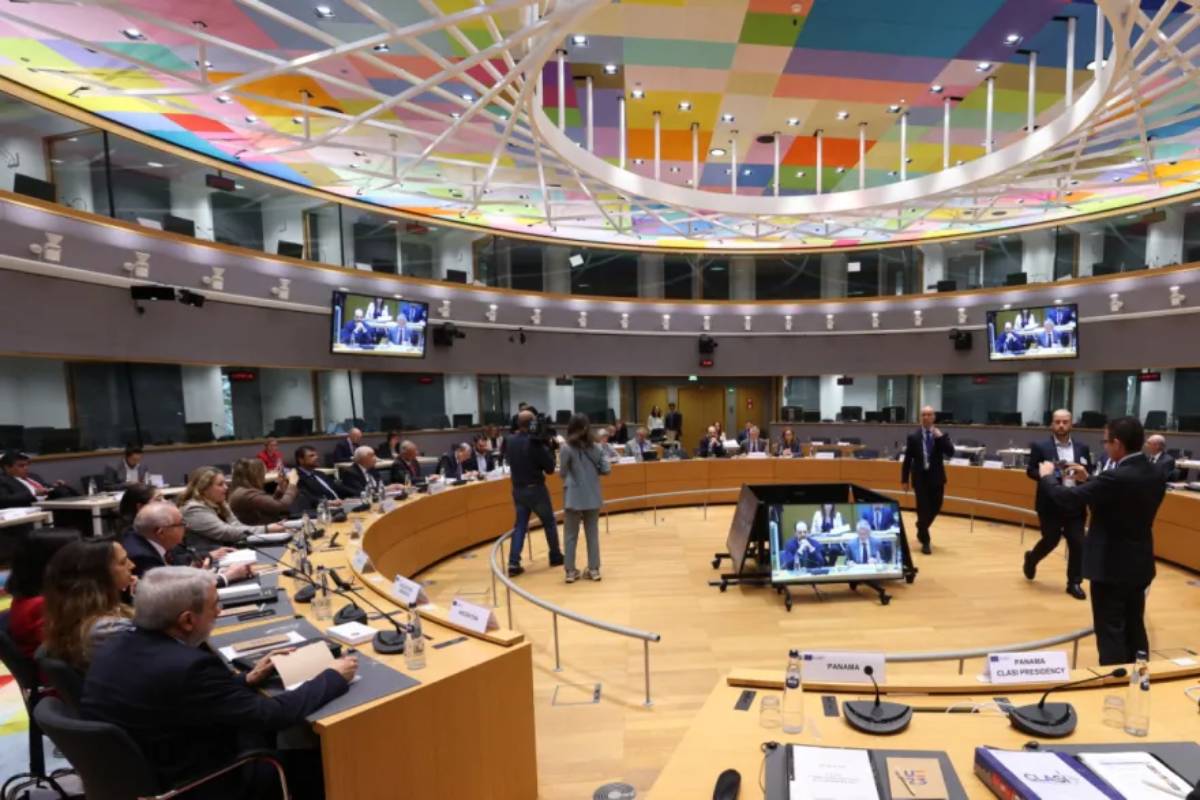
Image Source:  Swissinfo

A significant diplomatic development is underway as Ireland assumes a key role in shaping European Union priorities, with direct implications for Switzerland. The evolving EU agenda is expected to influence trade, regulatory alignment, and bilateral cooperation frameworks, underscoring the interconnected nature of European policy architecture and cross-border economic stability.

As Ireland takes on influence within the EU policy cycle, its presidency is expected to help steer discussions across key strategic areas affecting non-EU partners such as Switzerland. These include trade facilitation, research collaboration, financial regulation, and mobility agreements.

Swiss officials are closely monitoring developments, as EU-level policy shifts often shape bilateral arrangements between Switzerland and the bloc. While Ireland does not unilaterally set EU policy, its role in agenda-setting and negotiation facilitation gives it meaningful influence over policy direction during its term.

The outcome of these discussions could impact ongoing Switzerland–EU institutional framework negotiations and sectoral cooperation agreements. The relationship between Switzerland and the European Union is built on a complex network of bilateral agreements rather than full membership. As a result, EU presidency cycles play an indirect but important role in shaping Switzerland’s external economic and regulatory environment.

Ireland’s position within the EU institutional structure gives it influence over agenda-setting priorities during its presidency term. This includes areas such as financial services regulation, digital market integration, and cross-border research collaboration sectors where Switzerland has significant economic exposure.

Historically, Switzerland has maintained close alignment with EU frameworks while preserving regulatory independence. However, evolving EU integration policies and institutional reforms continue to affect Swiss access to key European markets. This makes each EU presidency cycle relevant for Swiss policymakers, businesses, and trade negotiators seeking predictability in bilateral relations.

Policy analysts describe Ireland’s EU presidency influence as part of a “procedural but strategically significant” layer of European governance that can shape negotiation tone and policy emphasis. Experts note that while presidencies do not create binding law, they play a crucial role in prioritizing legislative discussions and facilitating consensus among member states.

European affairs specialists emphasize that for Switzerland, such cycles are important indicators of the EU’s evolving stance on external partnerships. Areas such as financial regulation equivalence, mobility frameworks, and data governance are particularly sensitive.

While no direct official quotes are cited in the source material, observers suggest that Swiss diplomatic channels are actively engaging with EU counterparts to ensure continuity in bilateral cooperation. Analysts further highlight that Ireland’s traditionally pro-integration stance may support smoother discussions on cross-border economic alignment.

For businesses operating in Switzerland, EU policy shifts influenced during Ireland’s presidency could affect regulatory alignment, market access conditions, and cross-border operational frameworks. Sectors such as finance, pharmaceuticals, and technology may be particularly sensitive to changes in EU regulatory direction.

For investors, stability in Switzerland–EU relations remains a key factor in assessing regional risk exposure and long-term capital allocation strategies. Policy uncertainty could influence sentiment in export-oriented industries.

For policymakers, the development underscores the importance of sustained diplomatic engagement with EU institutions to ensure continuity in trade and cooperation agreements, especially in high-value economic sectors.

Going forward, Switzerland will closely monitor EU policy discussions shaped during Ireland’s presidency to anticipate potential regulatory and trade impacts. The key uncertainty lies in how effectively institutional negotiations progress across complex policy areas. Future developments will depend on consensus-building within the EU and Switzerland’s ability to maintain stable, mutually beneficial bilateral frameworks.

Source: Swissinfo
Date: July 1, 2026

  • Featured tools
Symphony Ayasdi AI
Free

SymphonyAI Sensa is an AI-powered surveillance and financial crime detection platform that surfaces hidden risk behavior through explainable, AI-driven analytics.

#
Finance
Learn more
Alli AI
Free

Alli AI is an all-in-one, AI-powered SEO automation platform that streamlines on-page optimization, site auditing, speed improvements, schema generation, internal linking, and ranking insights.

#
SEO
Learn more

Learn more about future of AI

Join 80,000+ Ai enthusiast getting weekly updates on exciting AI tools.
Thank you! Your submission has been received!
Oops! Something went wrong while submitting the form.

Ireland EU Presidency Influences Switzerland

July 29, 2026

As Ireland takes on influence within the EU policy cycle, its presidency is expected to help steer discussions across key strategic areas affecting non-EU partners such as Switzerland.

Image Source:  Swissinfo

A significant diplomatic development is underway as Ireland assumes a key role in shaping European Union priorities, with direct implications for Switzerland. The evolving EU agenda is expected to influence trade, regulatory alignment, and bilateral cooperation frameworks, underscoring the interconnected nature of European policy architecture and cross-border economic stability.

As Ireland takes on influence within the EU policy cycle, its presidency is expected to help steer discussions across key strategic areas affecting non-EU partners such as Switzerland. These include trade facilitation, research collaboration, financial regulation, and mobility agreements.

Swiss officials are closely monitoring developments, as EU-level policy shifts often shape bilateral arrangements between Switzerland and the bloc. While Ireland does not unilaterally set EU policy, its role in agenda-setting and negotiation facilitation gives it meaningful influence over policy direction during its term.

The outcome of these discussions could impact ongoing Switzerland–EU institutional framework negotiations and sectoral cooperation agreements. The relationship between Switzerland and the European Union is built on a complex network of bilateral agreements rather than full membership. As a result, EU presidency cycles play an indirect but important role in shaping Switzerland’s external economic and regulatory environment.

Ireland’s position within the EU institutional structure gives it influence over agenda-setting priorities during its presidency term. This includes areas such as financial services regulation, digital market integration, and cross-border research collaboration sectors where Switzerland has significant economic exposure.

Historically, Switzerland has maintained close alignment with EU frameworks while preserving regulatory independence. However, evolving EU integration policies and institutional reforms continue to affect Swiss access to key European markets. This makes each EU presidency cycle relevant for Swiss policymakers, businesses, and trade negotiators seeking predictability in bilateral relations.

Policy analysts describe Ireland’s EU presidency influence as part of a “procedural but strategically significant” layer of European governance that can shape negotiation tone and policy emphasis. Experts note that while presidencies do not create binding law, they play a crucial role in prioritizing legislative discussions and facilitating consensus among member states.

European affairs specialists emphasize that for Switzerland, such cycles are important indicators of the EU’s evolving stance on external partnerships. Areas such as financial regulation equivalence, mobility frameworks, and data governance are particularly sensitive.

While no direct official quotes are cited in the source material, observers suggest that Swiss diplomatic channels are actively engaging with EU counterparts to ensure continuity in bilateral cooperation. Analysts further highlight that Ireland’s traditionally pro-integration stance may support smoother discussions on cross-border economic alignment.

For businesses operating in Switzerland, EU policy shifts influenced during Ireland’s presidency could affect regulatory alignment, market access conditions, and cross-border operational frameworks. Sectors such as finance, pharmaceuticals, and technology may be particularly sensitive to changes in EU regulatory direction.

For investors, stability in Switzerland–EU relations remains a key factor in assessing regional risk exposure and long-term capital allocation strategies. Policy uncertainty could influence sentiment in export-oriented industries.

For policymakers, the development underscores the importance of sustained diplomatic engagement with EU institutions to ensure continuity in trade and cooperation agreements, especially in high-value economic sectors.

Going forward, Switzerland will closely monitor EU policy discussions shaped during Ireland’s presidency to anticipate potential regulatory and trade impacts. The key uncertainty lies in how effectively institutional negotiations progress across complex policy areas. Future developments will depend on consensus-building within the EU and Switzerland’s ability to maintain stable, mutually beneficial bilateral frameworks.

Source: Swissinfo
Date: July 1, 2026

Promote Your Tool

Copy Embed Code

Similar Blogs

July 29, 2026
|

EmulationStation Enhances Retro Gaming Experience

EmulationStation is a front-end interface designed to organize and present video game emulation libraries through a streamlined user experience.
Read more
July 29, 2026
|

Tomoson Expands Influencer Marketing Collaboration

Tomoson operates as an influencer marketing platform designed to help brands collaborate with content creators and manage promotional campaigns.
Read more
July 29, 2026
|

ZeroBin.net Advances Secure Data Sharing

ZeroBin.net operates as a privacy-oriented platform that allows users to share encrypted information through temporary digital channels.
Read more
July 29, 2026
|

Gaia Expands Digital Knowledge Access

Gaia operates within the broader category of digital platforms focused on information discovery, organization, and knowledge accessibility.
Read more
July 29, 2026
|

MailDrop Expands Privacy Email Solutions

MailDrop operates as a temporary email service designed to help users create disposable email addresses for online registrations and digital interactions.
Read more
July 29, 2026
|

MacX YouTube Downloader Enhances Video Management

MacX YouTube Downloader is a multimedia software solution designed to support video downloading, conversion, and management from online platforms.
Read more