
iOS 27 Enables Custom Wallet Passes

The rumored iOS 27 update is expected to allow users to create and manage custom digital passes within Apple’s Wallet ecosystem.

May 5, 2026
|
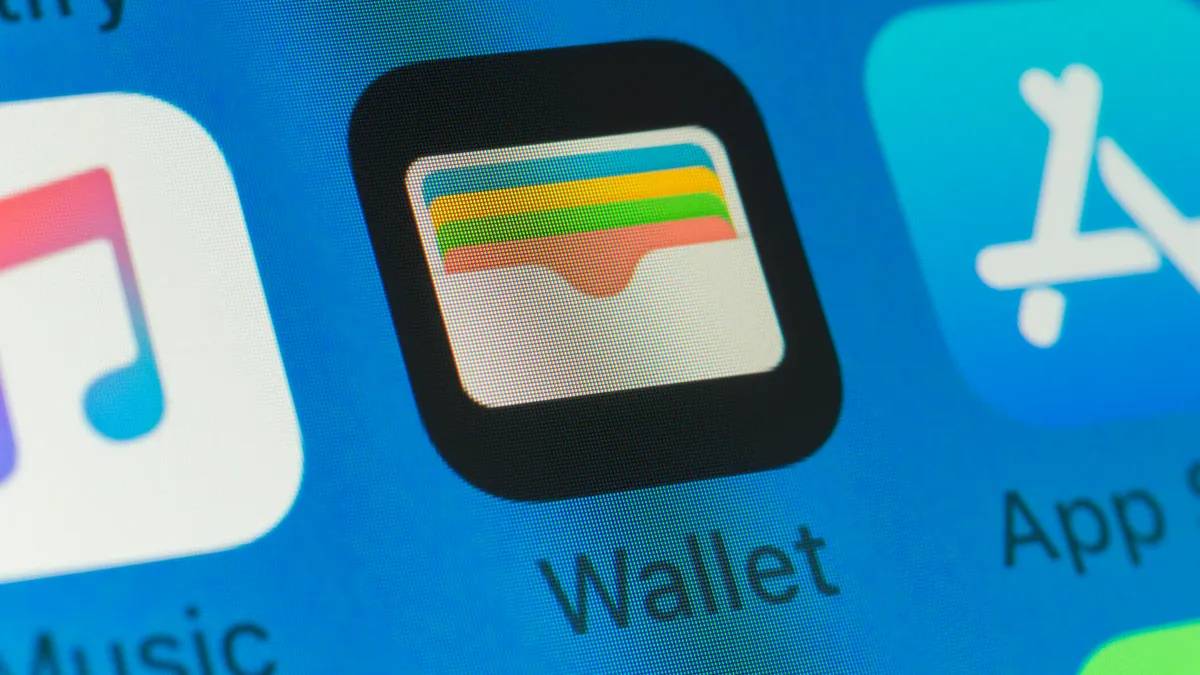
Image Source:  CNET

A potential evolution in digital payments and identity management is emerging as Apple is rumored to introduce custom pass creation in its Wallet app under iOS 27. The development signals a strategic expansion of the company’s ecosystem into more flexible digital credentialing, with implications for payments, identity, and consumer services.

The rumored iOS 27 update is expected to allow users to create and manage custom digital passes within Apple’s Wallet ecosystem. This could extend functionality beyond standard payment cards, boarding passes, and tickets, enabling personalized digital credentials.

The feature is anticipated to integrate tightly with Apple’s secure enclave and authentication systems, maintaining the company’s focus on privacy and device-level security. If implemented, it would mark a significant expansion of Wallet from a transactional tool to a customizable digital identity platform.

The move reflects ongoing efforts to deepen ecosystem engagement across Apple’s hardware and software services. Digital wallet platforms have evolved rapidly over the past decade, transitioning from simple payment storage systems to multifunctional identity and access management tools. Companies like Apple have been at the forefront of this transformation, integrating payment cards, transit passes, digital IDs, and authentication credentials into unified mobile ecosystems.

The push toward customizable digital passes aligns with broader industry trends in decentralized identity management and mobile-first authentication systems. As physical wallets decline in relevance, digital platforms are increasingly becoming the primary interface for financial and identity transactions.

This shift also reflects growing demand for frictionless digital experiences across travel, retail, and enterprise services. Governments and private institutions are gradually exploring mobile-based identity frameworks, which could eventually converge with consumer wallet ecosystems. Apple’s rumored expansion of Wallet functionality fits within this global movement toward integrated digital identity infrastructure.

Industry analysts suggest that customizable digital passes could significantly enhance user engagement within Apple’s ecosystem by enabling greater personalization and utility. Experts note that such a feature would strengthen platform lock-in, as users increasingly rely on Wallet for both financial and identity-related functions.

Technology observers highlight that Apple’s emphasis on on-device security and encrypted authentication makes it well-positioned to expand into digital credentialing without compromising privacy standards. However, analysts caution that broader adoption will depend on interoperability with third-party systems and regulatory acceptance of mobile-based identity solutions.

While Apple has not officially confirmed the iOS 27 feature set, industry watchers believe the move aligns with its long-term strategy of expanding Wallet into a comprehensive digital identity hub. This would place Apple in closer competition with fintech and identity platform providers.

For businesses, expanded Wallet capabilities could open new channels for customer engagement, loyalty programs, and secure digital transactions. Retailers, airlines, and service providers may increasingly integrate with customizable pass systems to enhance user convenience.

For investors, Apple’s continued expansion of its services ecosystem reinforces recurring revenue growth potential and ecosystem lock-in dynamics. It also strengthens its positioning in the digital payments and identity infrastructure space.

From a policy perspective, the expansion of mobile-based identity systems may prompt regulators to evaluate standards for digital credential security, interoperability, and data privacy. Governments may also consider how such systems integrate with national digital identity frameworks.

If implemented, iOS 27’s custom Wallet passes could mark a significant step toward unified digital identity ecosystems. Future developments may include deeper integration with government IDs, enterprise access systems, and financial services. The success of this feature will depend on regulatory alignment, developer adoption, and user trust in mobile identity systems. Apple’s ecosystem strategy will remain a key focal point for the industry.

Source: CNET
Date: May 2026

  • Featured tools
Tome AI
Free

Tome AI is an AI-powered storytelling and presentation tool designed to help users create compelling narratives and presentations quickly and efficiently. It leverages advanced AI technologies to generate content, images, and animations based on user input.

#
Presentation
#
Startup Tools
Learn more
Upscayl AI
Free

Upscayl AI is a free, open-source AI-powered tool that enhances and upscales images to higher resolutions. It transforms blurry or low-quality visuals into sharp, detailed versions with ease.

#
Productivity
Learn more

Learn more about future of AI

Join 80,000+ Ai enthusiast getting weekly updates on exciting AI tools.
Thank you! Your submission has been received!
Oops! Something went wrong while submitting the form.

iOS 27 Enables Custom Wallet Passes

May 5, 2026

The rumored iOS 27 update is expected to allow users to create and manage custom digital passes within Apple’s Wallet ecosystem.

Image Source:  CNET

A potential evolution in digital payments and identity management is emerging as Apple is rumored to introduce custom pass creation in its Wallet app under iOS 27. The development signals a strategic expansion of the company’s ecosystem into more flexible digital credentialing, with implications for payments, identity, and consumer services.

The rumored iOS 27 update is expected to allow users to create and manage custom digital passes within Apple’s Wallet ecosystem. This could extend functionality beyond standard payment cards, boarding passes, and tickets, enabling personalized digital credentials.

The feature is anticipated to integrate tightly with Apple’s secure enclave and authentication systems, maintaining the company’s focus on privacy and device-level security. If implemented, it would mark a significant expansion of Wallet from a transactional tool to a customizable digital identity platform.

The move reflects ongoing efforts to deepen ecosystem engagement across Apple’s hardware and software services. Digital wallet platforms have evolved rapidly over the past decade, transitioning from simple payment storage systems to multifunctional identity and access management tools. Companies like Apple have been at the forefront of this transformation, integrating payment cards, transit passes, digital IDs, and authentication credentials into unified mobile ecosystems.

The push toward customizable digital passes aligns with broader industry trends in decentralized identity management and mobile-first authentication systems. As physical wallets decline in relevance, digital platforms are increasingly becoming the primary interface for financial and identity transactions.

This shift also reflects growing demand for frictionless digital experiences across travel, retail, and enterprise services. Governments and private institutions are gradually exploring mobile-based identity frameworks, which could eventually converge with consumer wallet ecosystems. Apple’s rumored expansion of Wallet functionality fits within this global movement toward integrated digital identity infrastructure.

Industry analysts suggest that customizable digital passes could significantly enhance user engagement within Apple’s ecosystem by enabling greater personalization and utility. Experts note that such a feature would strengthen platform lock-in, as users increasingly rely on Wallet for both financial and identity-related functions.

Technology observers highlight that Apple’s emphasis on on-device security and encrypted authentication makes it well-positioned to expand into digital credentialing without compromising privacy standards. However, analysts caution that broader adoption will depend on interoperability with third-party systems and regulatory acceptance of mobile-based identity solutions.

While Apple has not officially confirmed the iOS 27 feature set, industry watchers believe the move aligns with its long-term strategy of expanding Wallet into a comprehensive digital identity hub. This would place Apple in closer competition with fintech and identity platform providers.

For businesses, expanded Wallet capabilities could open new channels for customer engagement, loyalty programs, and secure digital transactions. Retailers, airlines, and service providers may increasingly integrate with customizable pass systems to enhance user convenience.

For investors, Apple’s continued expansion of its services ecosystem reinforces recurring revenue growth potential and ecosystem lock-in dynamics. It also strengthens its positioning in the digital payments and identity infrastructure space.

From a policy perspective, the expansion of mobile-based identity systems may prompt regulators to evaluate standards for digital credential security, interoperability, and data privacy. Governments may also consider how such systems integrate with national digital identity frameworks.

If implemented, iOS 27’s custom Wallet passes could mark a significant step toward unified digital identity ecosystems. Future developments may include deeper integration with government IDs, enterprise access systems, and financial services. The success of this feature will depend on regulatory alignment, developer adoption, and user trust in mobile identity systems. Apple’s ecosystem strategy will remain a key focal point for the industry.

Source: CNET
Date: May 2026

Promote Your Tool

Copy Embed Code

Similar Blogs

May 5, 2026
|

iOS 27 Enables Custom Wallet Passes

The rumored iOS 27 update is expected to allow users to create and manage custom digital passes within Apple’s Wallet ecosystem.
Read more
May 5, 2026
|

Google Pixel 11 Camera-First Strategy Shift

The Pixel 11 is expected to feature a significant upgrade in camera hardware, including a higher-resolution 50MP sensor, signaling a continued focus on computational photography leadership by Google.
Read more
May 5, 2026
|

Digital Polaroids Redefine Smart Memory Displays

The product introduces reusable digital photo tiles that function like modern Polaroids, allowing users to display, replace, and refresh images on surfaces such as refrigerators.
Read more
May 5, 2026
|

Squirrel Dad Launches Viral AI Camera App

The new iPhone camera app, designed and promoted by Derrick Downey Jr., has gained rapid traction in the consumer tech space for its intuitive dual-capture functionality and AI-assisted recording features.
Read more
May 5, 2026
|

AI Vibe Coding Revives Retro Gaming

The concept of “vibe coding” involves using AI models to rapidly generate, modify, and reconstruct software experiences based on intuitive prompts rather than traditional programming workflows.
Read more
May 5, 2026
|

Sony Advances AI Table Tennis Robotics

Sony has developed an AI-enabled robotic system designed to play table tennis at a highly competitive level, demonstrating advanced precision, reaction speed, and adaptive learning capabilities.
Read more