
Indie Game Awards Face AI Credibility Test as Blue Prince Denies Generative AI Use

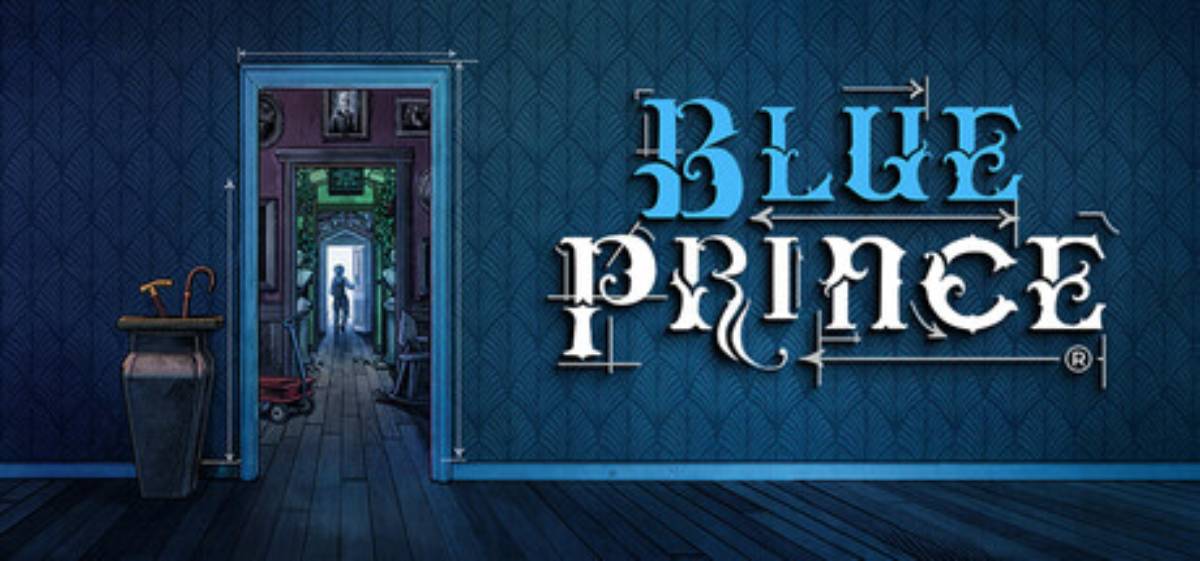
A major controversy has emerged in the global gaming industry after indie title Blue Prince publicly denied allegations of generative AI usage following a high-profile shake-up at the Indie Game Awards.

December 25, 2025
|

A major controversy has emerged in the global gaming industry after indie title Blue Prince publicly denied allegations of generative AI usage following a high-profile shake-up at the Indie Game Awards. The incident highlights growing scrutiny around AI transparency, creative integrity, and award governance across the digital entertainment economy.

Speculation around Blue Prince intensified after recent award disqualifications and reversals linked to undisclosed AI use in competing indie titles. Online discourse and industry commentary questioned whether Blue Prince had relied on generative AI tools during development. In response, the game’s creators issued a clear denial, stating that no generative AI was used in its art, design, or production workflows.

The clarification followed heightened sensitivity after award bodies began reassessing eligibility criteria amid mounting pressure from developers and creators. While Blue Prince retained its standing, the episode exposed how rapidly AI-related concerns can impact reputations, award outcomes, and public trust in creative industries.

The controversy surrounding Blue Prince comes at a time when generative AI is reshaping creative production across gaming, film, advertising, and digital media. Tools capable of generating art, dialogue, code, and music have lowered production barriers but raised fundamental questions about originality, authorship, and labor value.

In gaming, indie developers have been early adopters of AI-assisted workflows, often due to budget and resource constraints. However, recent backlash sparked by award withdrawals and public criticism signals a turning point. Industry stakeholders are demanding clearer disclosures, ethical guidelines, and standardized definitions of acceptable AI use.

Globally, award institutions and publishers are under pressure to balance innovation with creative authenticity. The Blue Prince incident reflects a broader recalibration underway as AI becomes embedded in cultural production while regulatory and ethical frameworks struggle to keep pace.

Industry analysts suggest that Blue Prince’s swift denial was a strategic necessity in an environment where AI accusations can quickly escalate. Media and technology observers note that the lack of uniform disclosure standards has created ambiguity, allowing rumors to flourish even without evidence.

Game developers and creative unions have increasingly called for transparency, warning that undisclosed AI use risks devaluing human craftsmanship. Meanwhile, award organizers face scrutiny over enforcement consistency, as selective disqualifications raise fairness concerns.

From a market perspective, experts argue that credibility now carries tangible commercial weight. Consumer trust, publisher relationships, and platform visibility can all be affected by perceptions of AI misuse. While generative AI remains a powerful productivity tool, leaders emphasize that its integration must be deliberate, disclosed, and aligned with evolving industry norms.

For gaming studios and digital content companies, the Blue Prince episode underscores the need for proactive AI governance. Businesses may need to formally document creative workflows, introduce AI usage disclosures, and align with emerging industry standards to protect brand equity.

Investors and publishers are also watching closely, as AI-related controversies can influence valuation, licensing decisions, and distribution opportunities. On the policy front, the incident adds momentum to calls for clearer regulatory guidance around generative AI in creative sectors, particularly concerning intellectual property, attribution, and consumer transparency.

Looking ahead, award bodies are expected to tighten eligibility rules and disclosure requirements as AI becomes further embedded in game development. Studios that clearly communicate how AI is or isn’t used will be better positioned to navigate scrutiny. For decision-makers, the key question is no longer whether AI will be used, but how transparently and responsibly it is integrated into creative production.

Source & Date

Source: Niche Gamer
Date: 2024

  • Featured tools
Wonder AI
Free

Wonder AI is a versatile AI-powered creative platform that generates text, images, and audio with minimal input, designed for fast storytelling, visual creation, and audio content generation

#
Art Generator
Learn more
WellSaid Ai
Free

WellSaid AI is an advanced text-to-speech platform that transforms written text into lifelike, human-quality voiceovers.

#
Text to Speech
Learn more

Learn more about future of AI

Join 80,000+ Ai enthusiast getting weekly updates on exciting AI tools.
Thank you! Your submission has been received!
Oops! Something went wrong while submitting the form.

Indie Game Awards Face AI Credibility Test as Blue Prince Denies Generative AI Use

December 25, 2025

A major controversy has emerged in the global gaming industry after indie title Blue Prince publicly denied allegations of generative AI usage following a high-profile shake-up at the Indie Game Awards.

A major controversy has emerged in the global gaming industry after indie title Blue Prince publicly denied allegations of generative AI usage following a high-profile shake-up at the Indie Game Awards. The incident highlights growing scrutiny around AI transparency, creative integrity, and award governance across the digital entertainment economy.

Speculation around Blue Prince intensified after recent award disqualifications and reversals linked to undisclosed AI use in competing indie titles. Online discourse and industry commentary questioned whether Blue Prince had relied on generative AI tools during development. In response, the game’s creators issued a clear denial, stating that no generative AI was used in its art, design, or production workflows.

The clarification followed heightened sensitivity after award bodies began reassessing eligibility criteria amid mounting pressure from developers and creators. While Blue Prince retained its standing, the episode exposed how rapidly AI-related concerns can impact reputations, award outcomes, and public trust in creative industries.

The controversy surrounding Blue Prince comes at a time when generative AI is reshaping creative production across gaming, film, advertising, and digital media. Tools capable of generating art, dialogue, code, and music have lowered production barriers but raised fundamental questions about originality, authorship, and labor value.

In gaming, indie developers have been early adopters of AI-assisted workflows, often due to budget and resource constraints. However, recent backlash sparked by award withdrawals and public criticism signals a turning point. Industry stakeholders are demanding clearer disclosures, ethical guidelines, and standardized definitions of acceptable AI use.

Globally, award institutions and publishers are under pressure to balance innovation with creative authenticity. The Blue Prince incident reflects a broader recalibration underway as AI becomes embedded in cultural production while regulatory and ethical frameworks struggle to keep pace.

Industry analysts suggest that Blue Prince’s swift denial was a strategic necessity in an environment where AI accusations can quickly escalate. Media and technology observers note that the lack of uniform disclosure standards has created ambiguity, allowing rumors to flourish even without evidence.

Game developers and creative unions have increasingly called for transparency, warning that undisclosed AI use risks devaluing human craftsmanship. Meanwhile, award organizers face scrutiny over enforcement consistency, as selective disqualifications raise fairness concerns.

From a market perspective, experts argue that credibility now carries tangible commercial weight. Consumer trust, publisher relationships, and platform visibility can all be affected by perceptions of AI misuse. While generative AI remains a powerful productivity tool, leaders emphasize that its integration must be deliberate, disclosed, and aligned with evolving industry norms.

For gaming studios and digital content companies, the Blue Prince episode underscores the need for proactive AI governance. Businesses may need to formally document creative workflows, introduce AI usage disclosures, and align with emerging industry standards to protect brand equity.

Investors and publishers are also watching closely, as AI-related controversies can influence valuation, licensing decisions, and distribution opportunities. On the policy front, the incident adds momentum to calls for clearer regulatory guidance around generative AI in creative sectors, particularly concerning intellectual property, attribution, and consumer transparency.

Looking ahead, award bodies are expected to tighten eligibility rules and disclosure requirements as AI becomes further embedded in game development. Studios that clearly communicate how AI is or isn’t used will be better positioned to navigate scrutiny. For decision-makers, the key question is no longer whether AI will be used, but how transparently and responsibly it is integrated into creative production.

Source & Date

Source: Niche Gamer
Date: 2024

Promote Your Tool

Copy Embed Code

Similar Blogs

December 25, 2025
|

Why Disney is embedding generative AI into its operating model

Disney is embedding generative AI deep into its operating model, marking a decisive move to modernize how one of the world’s largest media companies creates, manages, and delivers content.
Read more
December 25, 2025
|

Arm Positions Itself at the Center of the Global Shift Toward Edge AI Computing

Arm is strengthening its role in the global AI ecosystem by accelerating innovation in edge computing, where artificial intelligence runs directly on devices rather than in the cloud.
Read more
December 25, 2025
|

China Accelerates AI Integration Across Energy Systems in Strategic Efficiency Drive

China is rapidly deploying artificial intelligence across its energy infrastructure, marking a strategic shift in how the world’s largest energy consumer manages power generation, distribution, and efficiency.
Read more
December 25, 2025
|

Acts of Loyalty in Extreme Conditions Highlight the Silent Role of Working Dogs in Crisis Survival

A remarkable rescue involving a Bernese Mountain Dog saving a senior canine lost in heavy snow has drawn global attention, underscoring the often-overlooked role of animal instinct and training in survival scenarios.
Read more
December 25, 2025
|

Kalon.ai Emerges as a Strategic Challenger in the Rapidly Shifting AI Companion Market

A notable shift is underway in the AI companion and conversational platform market as Kalon.ai gains traction as a leading alternative to OurDream AI. The transition reflects changing user expectations.
Read more
December 25, 2025
|

Google Scales Generative Video Globally as Flow Crosses 100 Million Milestone

A major development unfolded as Google’s generative video platform Flow crossed the 100-million-video mark, while its AI creativity tool Whisk expanded into 77 additional countries.
Read more