
Illinois Restricts Smart Glasses While Driving

Illinois lawmakers are evaluating legislation that would prohibit the use of smart glasses while operating a vehicle, citing concerns over distraction and impaired driver attention.

June 18, 2026
|
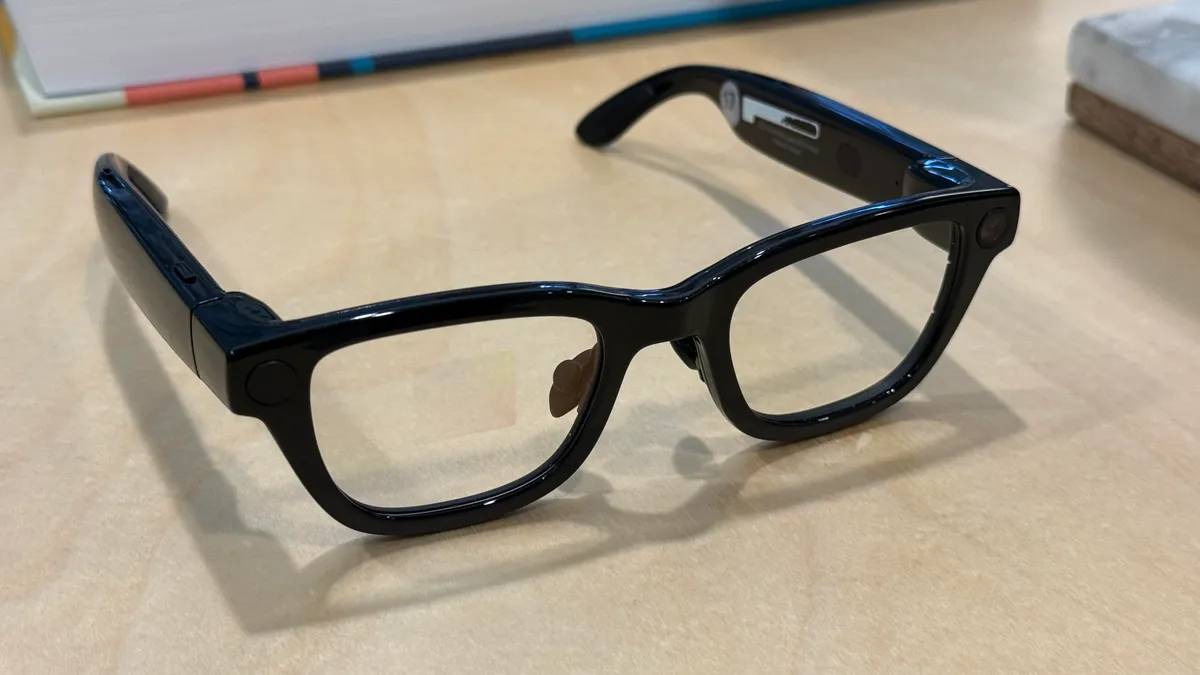
Image Source: CNET

A major regulatory development is emerging in the United States as Illinois considers becoming the first state to ban the use of smart glasses while driving. The proposed measure reflects growing concern over augmented reality devices and driver distraction risks, signaling a potential shift in how policymakers regulate emerging wearable technologies in transportation environments with implications for safety standards and tech adoption.

Illinois lawmakers are evaluating legislation that would prohibit the use of smart glasses while operating a vehicle, citing concerns over distraction and impaired driver attention. If enacted, the state would be the first in the U.S. to formally regulate wearable AR devices in this context.

The proposal targets devices capable of overlaying digital information onto a user’s field of vision, including navigation prompts, notifications, and augmented reality interfaces. Authorities argue that such features could increase cognitive load and reduce situational awareness while driving.

Key stakeholders include Illinois state legislators, transportation safety regulators, smart glasses manufacturers, automotive safety agencies, and technology firms developing augmented reality hardware. The development comes amid rising adoption of wearable tech and increased integration of digital interfaces into everyday environments.

The move reflects broader regulatory uncertainty surrounding how emerging immersive technologies should be governed in safety-critical contexts such as road transportation. The development aligns with a broader trend across global markets where governments are increasingly attempting to regulate the intersection of transportation safety and consumer wearable technology. Historically, similar regulatory action has been taken against mobile phone usage while driving, which was introduced after evidence linked distracted driving to increased accident rates.

Over the past decade, smart glasses and augmented reality devices have evolved from experimental products into commercially available consumer electronics. These devices are now being positioned for navigation, communication, workplace productivity, and entertainment applications.

Geopolitically and economically, technology regulation in the U.S. is increasingly focused on balancing innovation with public safety. States are often used as testing grounds for early regulatory frameworks before potential federal adoption.

The Illinois proposal reflects growing concern that immersive technologies may introduce new forms of distraction that are more cognitively demanding than traditional mobile devices due to their integration into a user’s direct field of vision.

Transportation safety experts suggest that wearable augmented reality devices could present a more complex distraction risk than smartphones because they overlay information directly onto real-world visual input. Analysts argue that this may impair reaction times and situational awareness more subtly than handheld devices.

Safety researchers emphasize that regulatory frameworks have historically lagged behind technological innovation, particularly in areas involving human-machine interaction in mobility environments. They advocate for precautionary regulation until sufficient empirical data is available.

Industry observers note that smart glasses manufacturers face increasing scrutiny as they move toward mainstream consumer adoption. While these devices offer productivity and navigation benefits, their use in vehicles remains a contentious issue.

Policy analysts highlight that state-level regulation, such as the proposed Illinois measure, often serves as a catalyst for broader national discussions on emerging technology governance and road safety standards.

For global executives, the shift could redefine product design strategies for wearable technology companies, particularly those targeting navigation and real-world assistance use cases. Firms may need to incorporate safety restrictions or driving-mode limitations into device software.

Investors are likely to assess regulatory risk as a key factor in the wearable AR market, which remains in an early growth phase. Companies that proactively address safety concerns may gain competitive advantage in securing consumer trust and regulatory approval.

From a policy perspective, the proposal could set a precedent for other U.S. states and potentially influence federal guidelines on augmented reality usage in vehicles. Regulators may increasingly focus on cognitive distraction metrics rather than just physical device interaction.

The debate over smart glasses and driving safety is expected to intensify as wearable AR technology becomes more advanced and widely adopted. Decision-makers should watch for legislative outcomes in Illinois, potential adoption in other states, and evolving safety research on immersive devices. While innovation in augmented reality continues to accelerate, regulatory frameworks will play a decisive role in shaping how and where these technologies can be safely used.

Source: CNET
Date: June 18, 2026

  • Featured tools
Surfer AI
Free

Surfer AI is an AI-powered content creation assistant built into the Surfer SEO platform, designed to generate SEO-optimized articles from prompts, leveraging data from search results to inform tone, structure, and relevance.

#
SEO
Learn more
Hostinger Website Builder
Paid

Hostinger Website Builder is a drag-and-drop website creator bundled with hosting and AI-powered tools, designed for businesses, blogs and small shops with minimal technical effort.It makes launching a site fast and affordable, with templates, responsive design and built-in hosting all in one.

#
Productivity
#
Startup Tools
#
Ecommerce
Learn more

Learn more about future of AI

Join 80,000+ Ai enthusiast getting weekly updates on exciting AI tools.
Thank you! Your submission has been received!
Oops! Something went wrong while submitting the form.

Illinois Restricts Smart Glasses While Driving

June 18, 2026

Illinois lawmakers are evaluating legislation that would prohibit the use of smart glasses while operating a vehicle, citing concerns over distraction and impaired driver attention.

Image Source: CNET

A major regulatory development is emerging in the United States as Illinois considers becoming the first state to ban the use of smart glasses while driving. The proposed measure reflects growing concern over augmented reality devices and driver distraction risks, signaling a potential shift in how policymakers regulate emerging wearable technologies in transportation environments with implications for safety standards and tech adoption.

Illinois lawmakers are evaluating legislation that would prohibit the use of smart glasses while operating a vehicle, citing concerns over distraction and impaired driver attention. If enacted, the state would be the first in the U.S. to formally regulate wearable AR devices in this context.

The proposal targets devices capable of overlaying digital information onto a user’s field of vision, including navigation prompts, notifications, and augmented reality interfaces. Authorities argue that such features could increase cognitive load and reduce situational awareness while driving.

Key stakeholders include Illinois state legislators, transportation safety regulators, smart glasses manufacturers, automotive safety agencies, and technology firms developing augmented reality hardware. The development comes amid rising adoption of wearable tech and increased integration of digital interfaces into everyday environments.

The move reflects broader regulatory uncertainty surrounding how emerging immersive technologies should be governed in safety-critical contexts such as road transportation. The development aligns with a broader trend across global markets where governments are increasingly attempting to regulate the intersection of transportation safety and consumer wearable technology. Historically, similar regulatory action has been taken against mobile phone usage while driving, which was introduced after evidence linked distracted driving to increased accident rates.

Over the past decade, smart glasses and augmented reality devices have evolved from experimental products into commercially available consumer electronics. These devices are now being positioned for navigation, communication, workplace productivity, and entertainment applications.

Geopolitically and economically, technology regulation in the U.S. is increasingly focused on balancing innovation with public safety. States are often used as testing grounds for early regulatory frameworks before potential federal adoption.

The Illinois proposal reflects growing concern that immersive technologies may introduce new forms of distraction that are more cognitively demanding than traditional mobile devices due to their integration into a user’s direct field of vision.

Transportation safety experts suggest that wearable augmented reality devices could present a more complex distraction risk than smartphones because they overlay information directly onto real-world visual input. Analysts argue that this may impair reaction times and situational awareness more subtly than handheld devices.

Safety researchers emphasize that regulatory frameworks have historically lagged behind technological innovation, particularly in areas involving human-machine interaction in mobility environments. They advocate for precautionary regulation until sufficient empirical data is available.

Industry observers note that smart glasses manufacturers face increasing scrutiny as they move toward mainstream consumer adoption. While these devices offer productivity and navigation benefits, their use in vehicles remains a contentious issue.

Policy analysts highlight that state-level regulation, such as the proposed Illinois measure, often serves as a catalyst for broader national discussions on emerging technology governance and road safety standards.

For global executives, the shift could redefine product design strategies for wearable technology companies, particularly those targeting navigation and real-world assistance use cases. Firms may need to incorporate safety restrictions or driving-mode limitations into device software.

Investors are likely to assess regulatory risk as a key factor in the wearable AR market, which remains in an early growth phase. Companies that proactively address safety concerns may gain competitive advantage in securing consumer trust and regulatory approval.

From a policy perspective, the proposal could set a precedent for other U.S. states and potentially influence federal guidelines on augmented reality usage in vehicles. Regulators may increasingly focus on cognitive distraction metrics rather than just physical device interaction.

The debate over smart glasses and driving safety is expected to intensify as wearable AR technology becomes more advanced and widely adopted. Decision-makers should watch for legislative outcomes in Illinois, potential adoption in other states, and evolving safety research on immersive devices. While innovation in augmented reality continues to accelerate, regulatory frameworks will play a decisive role in shaping how and where these technologies can be safely used.

Source: CNET
Date: June 18, 2026

Promote Your Tool

Copy Embed Code

Similar Blogs

June 18, 2026
|

AI Paradox Deepens as Skepticism Grows

Recent survey findings indicate that while Americans are increasingly cautious about the long-term impact of artificial intelligence, actual usage of AI tools continues to expand across professional and personal contexts.
Read more
June 18, 2026
|

Illinois Restricts Smart Glasses While Driving

Illinois lawmakers are evaluating legislation that would prohibit the use of smart glasses while operating a vehicle, citing concerns over distraction and impaired driver attention.
Read more
June 18, 2026
|

Anthropic Unifies AI Coding Design Workflow

Anthropic has expanded its Claude platform to bring together AI-assisted design and coding functionalities into a more integrated developer experience.
Read more
June 18, 2026
|

Creator Camera Wars Intensify Premium Segment

The Insta360 Luna Ultra and DJI Osmo Pocket 4 represent the latest generation of compact, high-performance cameras designed for vloggers, filmmakers, and social media content creators.
Read more
June 18, 2026
|

VSCO Targets Premium Creator Economy Push

VSCO has introduced “Studio Pro,” a mobile-first photo editing application designed to provide advanced creative tools for professional photographers, content creators, and digital media teams.
Read more
June 18, 2026
|

Apple Pricing Shift on Rising RAM Costs

Apple leadership has pointed to escalating memory (RAM) costs as a key driver of financial pressure within its hardware supply chain, suggesting that future product pricing adjustments may be necessary to maintain margins.
Read more