



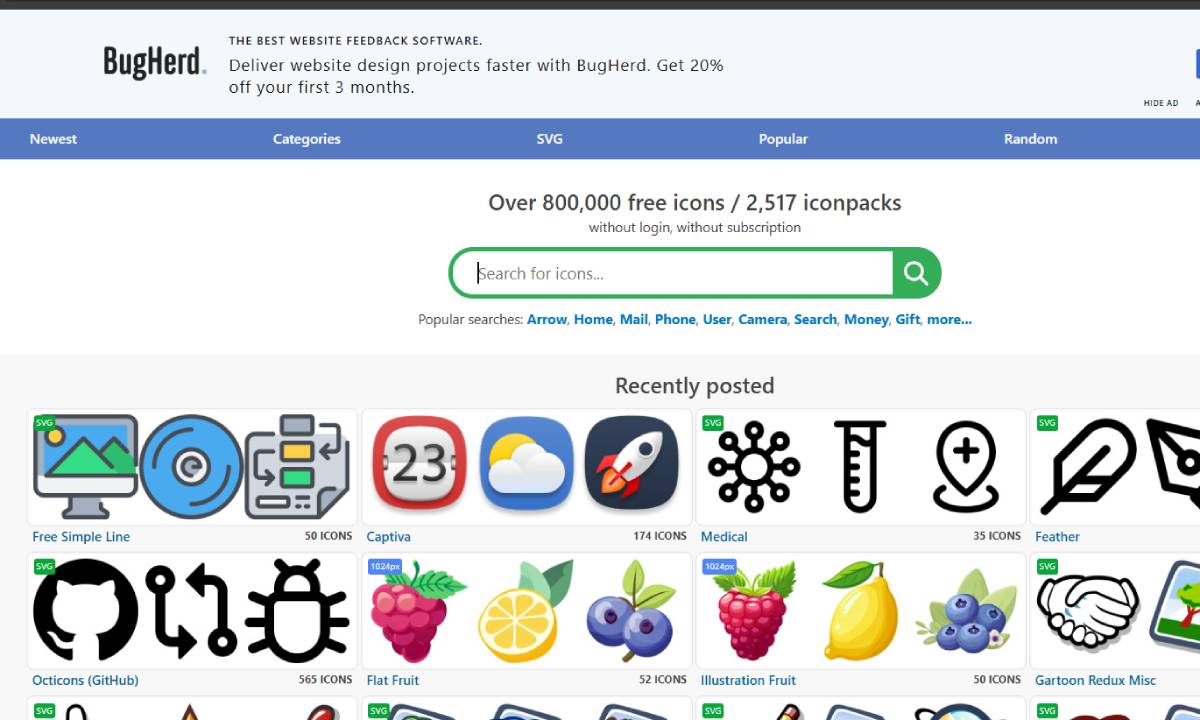
The digital design ecosystem continues expanding as businesses, developers, and creative professionals rely on accessible visual resources to accelerate product development and branding initiatives. IconArchive represents the growing importance of organized digital asset libraries, enabling users to discover, manage, and utilize icons that support modern software, web, and creative workflows.
IconArchive operates within the digital asset and design resource landscape, providing a platform for discovering and sharing icon collections used across websites, applications, presentations, and software projects. The platform supports designers, developers, marketers, and creative teams seeking visual assets for digital experiences.
Key stakeholders include UI/UX designers, software developers, product teams, businesses, creative agencies, and online communities. As digital products become increasingly visual, demand for high-quality, accessible design resources continues to grow.
The platform reflects broader industry priorities around design efficiency, creative collaboration, digital branding, and faster development cycles across technology and creative industries.
Visual design has become a critical component of digital experiences as organizations compete for user attention across websites, applications, and online platforms. Icons play an essential role in improving navigation, communication, accessibility, and brand identity within modern digital products.
This development aligns with a broader trend across global markets where businesses are investing in design systems, reusable digital assets, and collaborative creative tools to improve product development efficiency. The growth of software-as-a-service platforms, mobile applications, and digital transformation initiatives has increased demand for scalable visual resources.
Historically, designers and developers relied on manually created graphics or fragmented asset libraries, slowing production workflows. Modern digital asset platforms provide centralized access to organized resources, helping teams accelerate design processes while maintaining consistency across digital products. Icon libraries have become valuable components within broader design operations and product development ecosystems.
Design industry analysts believe digital asset platforms will continue gaining importance as organizations prioritize faster product delivery and consistent user experiences. Experts highlight that reusable design resources help teams improve collaboration, maintain visual standards, and reduce repetitive creative work.
Industry specialists also note that the rise of design systems and component-based development has increased demand for structured icon libraries. These resources enable organizations to create consistent interfaces across websites, applications, and enterprise software platforms.
Analysts further emphasize that businesses increasingly evaluate digital design resources based on quality, licensing clarity, usability, accessibility, and integration with modern design workflows. As artificial intelligence begins influencing creative processes, digital asset platforms may also incorporate AI-powered search, customization, and recommendation capabilities to improve how users discover and apply visual resources.
For businesses, access to organized digital assets improves design efficiency, accelerates product development, and supports stronger brand consistency across digital channels. Creative teams can reduce production timelines while maintaining professional visual standards.
Investors continue recognizing design technology and digital collaboration tools as important segments within the broader software ecosystem, driven by increasing digital product development. Organizations must also consider licensing, intellectual property protection, and responsible use of digital assets when adopting creative resources.
For executives, effective management of design resources has become a strategic capability that supports innovation, customer experience improvements, and scalable digital operations.
The future of digital asset management will likely be shaped by artificial intelligence, automated design workflows, personalization tools, and deeper integration with creative software platforms. Decision-makers should monitor evolving licensing standards, AI-generated design capabilities, and collaboration technologies. Organizations that combine efficient asset management with strong design governance will be better positioned to create engaging digital experiences and maintain competitive advantages in an increasingly visual online economy.
Source: Crozdesk
Date: August 3, 2026


