



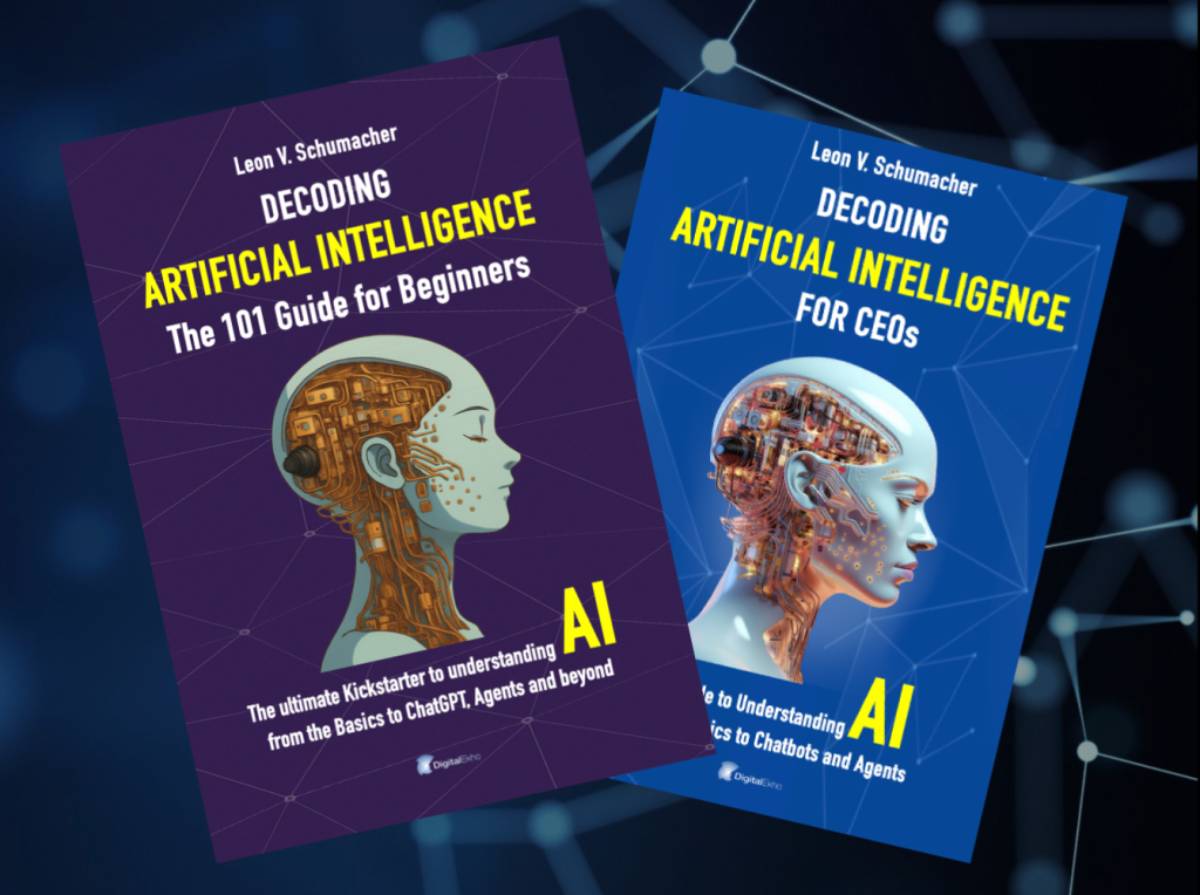
As artificial intelligence becomes deeply embedded in business and everyday life, industry leaders are emphasizing that human judgment remains indispensable. The discussion highlights the importance of balancing AI-driven efficiency with critical thinking, ethical oversight, and domain expertise, offering valuable insights for executives, policymakers, and organizations navigating rapid digital transformation.
The article explores practical recommendations for using AI responsibly while maintaining a human-centered approach to decision-making. Rather than promoting technology as a complete replacement for human expertise, it argues that AI performs best as a productivity enhancer that supports creativity, research, communication, and operational efficiency.
Businesses are encouraged to evaluate AI tools based on their specific use cases, governance standards, and long-term strategic value rather than following market hype. The discussion also highlights the importance of continuous learning as professionals adapt to rapidly evolving AI capabilities. The central message is that sustainable competitive advantage will come from combining technological innovation with human insight and accountability.
The conversation reflects a broader global shift as organizations across industries accelerate AI adoption following major advances in generative AI and large language models. Enterprises are investing heavily in AI-powered automation, customer engagement, software development, and knowledge management to improve efficiency and competitiveness.
At the same time, regulators and business leaders continue debating issues surrounding transparency, bias, privacy, intellectual property, cybersecurity, and workforce transformation. Governments across Europe have introduced regulatory frameworks such as the EU AI Act to encourage innovation while protecting citizens and ensuring responsible deployment.
Against this backdrop, many executives increasingly recognize that successful AI implementation depends not only on technology but also on governance, organizational culture, employee training, and ethical leadership. The growing consensus is that human expertise remains essential for interpreting complex situations, managing risks, and making high-impact strategic decisions.
Technology analysts increasingly argue that organizations deriving the greatest value from AI are those integrating it thoughtfully into existing business processes rather than pursuing automation for its own sake. Experts emphasize that AI should augment human capabilities by accelerating repetitive tasks while allowing professionals to focus on creativity, innovation, strategic planning, and complex problem-solving.
Industry observers also stress the importance of developing AI literacy throughout organizations. Executives are encouraged to invest in workforce training so employees understand both the strengths and limitations of AI-powered systems.
Corporate leaders continue to highlight responsible AI governance as a strategic priority, recommending clear policies for data quality, security, transparency, and accountability. Many believe organizations capable of balancing technological advancement with ethical oversight will achieve stronger long-term business resilience and greater stakeholder trust as AI adoption expands globally.
For businesses, the discussion reinforces that AI investments should be aligned with measurable operational objectives rather than driven solely by competitive pressure. Organizations may need to strengthen governance frameworks, improve employee skills, and establish clear guidelines for responsible AI deployment.
Investors are likely to favor companies demonstrating disciplined AI strategies that deliver sustainable productivity gains while effectively managing regulatory and operational risks. Policymakers, meanwhile, face the challenge of encouraging innovation without compromising privacy, cybersecurity, or public trust. For executive leaders, the key takeaway is that long-term success will depend on combining advanced AI capabilities with experienced human leadership and sound organizational governance.
AI adoption is expected to accelerate across virtually every sector, making human-AI collaboration an increasingly important competitive advantage. Organizations will continue refining governance frameworks while investing in workforce development and responsible innovation. Decision-makers should monitor evolving regulations, technological breakthroughs, and emerging best practices to ensure AI strengthens business performance without sacrificing transparency, accountability, or strategic decision-making.
Source: Silicon Luxembourg
Date: July 10, 2026


