



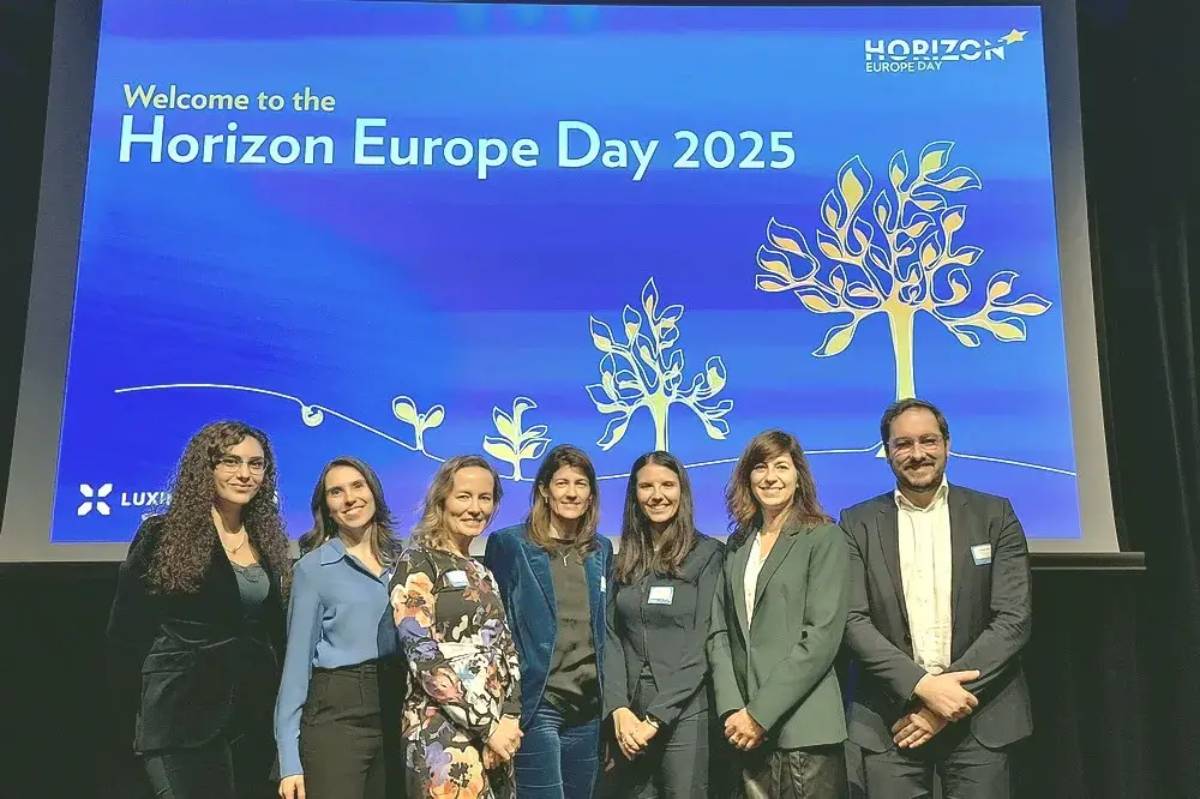
European innovation stakeholders are advocating simpler access to Horizon Europe funding, arguing that reducing administrative complexity will strengthen the region's global competitiveness. The initiative aims to make research and innovation funding more accessible for startups, SMEs, universities, and technology companies, accelerating Europe's transition toward a more innovation-driven economy.
The latest discussions surrounding Horizon Europe emphasize simplifying application procedures and reducing administrative burdens to improve participation in the European Union's flagship research and innovation programme. Policymakers and innovation leaders believe that streamlined funding mechanisms will encourage greater involvement from startups, small and medium-sized enterprises (SMEs), research institutions, and industry partners.
Simplified access is expected to accelerate project implementation, improve collaboration across member states, and increase commercialization of innovative technologies. The initiative aligns with Europe's broader efforts to strengthen industrial competitiveness while ensuring that innovative companies can secure funding more efficiently to develop breakthrough solutions across strategic sectors.
Horizon Europe is the European Union's largest research and innovation funding programme, supporting scientific research, technological development, and collaborative innovation across member states and associated countries. The programme plays a central role in financing projects focused on artificial intelligence, clean technologies, digital transformation, health sciences, advanced manufacturing, climate innovation, and sustainable industrial development.
Despite its significant funding opportunities, many startups and SMEs have historically cited complex application processes and lengthy administrative requirements as barriers to participation. Policymakers across Europe have increasingly recognized that reducing bureaucracy can accelerate innovation while enabling more organizations to compete successfully for research funding.
As global competition intensifies particularly from the United States and Asia Europe is seeking to strengthen its innovation ecosystem by improving funding accessibility, supporting technology commercialization, and encouraging greater collaboration between academia, industry, and public institutions.
Innovation policy experts argue that simplifying funding programmes is essential for maintaining Europe's competitiveness in rapidly evolving technology sectors. Analysts believe administrative efficiency can significantly increase participation from startups and high-growth companies that often lack dedicated grant management resources.
An innovation funding specialist noted that "excellent ideas should not be excluded because of unnecessary administrative complexity." Industry observers also stress that faster funding approvals and simplified reporting requirements allow innovators to focus resources on research, product development, and commercialization instead of regulatory paperwork.
Business leaders emphasize that accessible funding mechanisms encourage cross-border collaboration and strengthen Europe's ability to develop globally competitive technologies. Experts expect continued reforms to research funding programmes as governments seek to accelerate innovation while improving the efficiency and impact of public investment.
For businesses, simpler access to Horizon Europe funding could lower administrative costs, improve access to research grants, and accelerate innovation projects. Startups and SMEs may particularly benefit from reduced complexity, allowing them to compete more effectively for European funding opportunities.
For investors, stronger public support for innovation enhances the commercial potential of emerging technologies and strengthens Europe's startup ecosystem. From a policy perspective, simplifying funding processes supports broader objectives of boosting productivity, increasing research commercialization, and improving Europe's global competitiveness. Policymakers are expected to continue reforming innovation programmes to encourage faster, more inclusive participation across strategic industries.
Looking ahead, stakeholders will closely monitor potential reforms to Horizon Europe and their impact on participation rates, funding efficiency, and technology commercialization. Decision-makers will evaluate whether streamlined procedures translate into greater innovation output and stronger international competitiveness. As Europe seeks to lead in next-generation technologies, accessible research funding is expected to remain a cornerstone of its long-term innovation strategy.
Source: Startup Luxembourg
Date: June 26, 2026


