
Healthtech Leaders Drive Bold Innovation

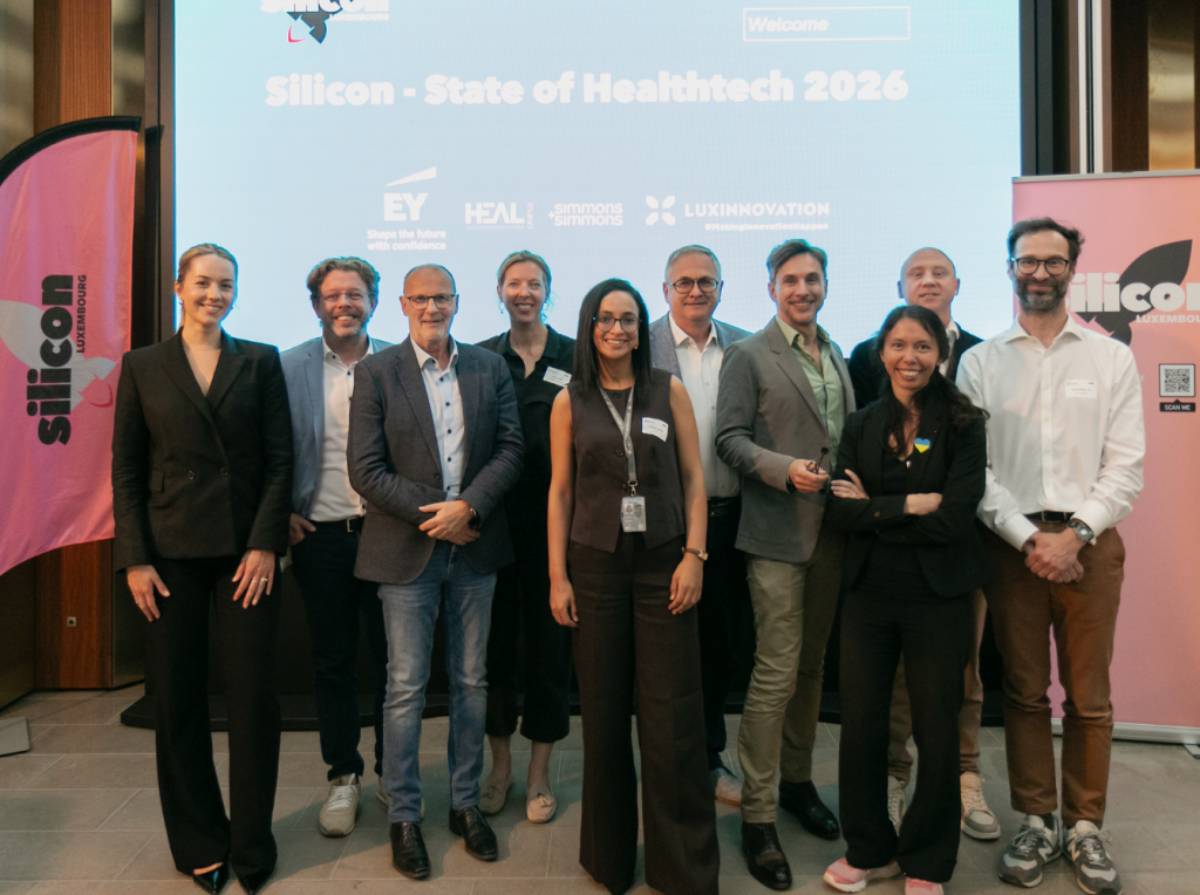
Industry experts speaking within Luxembourg's healthtech ecosystem emphasized that regulatory compliance should be viewed as a strategic advantage rather than an obstacle for innovators.

June 26, 2026
|
Image Source: Silicon Luxembourg

Health technology leaders are encouraging startups to embrace innovation rather than view regulation as a barrier to growth. As healthcare systems increasingly adopt digital technologies and artificial intelligence, industry experts argue that strong regulatory frameworks can enhance trust, accelerate commercialization, and strengthen long-term competitiveness in global health markets.

Industry experts speaking within Luxembourg's healthtech ecosystem emphasized that regulatory compliance should be viewed as a strategic advantage rather than an obstacle for innovators. They highlighted that startups developing digital health solutions, medical devices, diagnostics, and AI-powered healthcare platforms can strengthen investor confidence and market credibility by incorporating regulatory requirements early in product development.

The discussion encouraged founders to engage proactively with regulators, healthcare providers, and certification bodies throughout the innovation process. Experts also stressed that companies able to balance rapid technological advancement with patient safety, clinical validation, and regulatory compliance are more likely to succeed in international healthcare markets.

The conversation reflects growing confidence in Europe's expanding digital health innovation ecosystem. The development aligns with a broader global trend across healthcare markets where innovation is accelerating alongside increasingly sophisticated regulatory oversight. Artificial intelligence, digital therapeutics, remote monitoring, and precision medicine are transforming healthcare delivery, while governments seek to ensure patient safety, cybersecurity, and ethical technology deployment.

The European Union has introduced evolving frameworks governing medical devices, artificial intelligence, health data, and digital services, creating a more structured regulatory environment for healthtech companies. Although compliance requirements can increase development timelines, many investors now view regulatory readiness as an indicator of operational maturity and long-term commercial viability.

Luxembourg continues to position itself as a hub for health innovation by supporting collaboration between startups, healthcare institutions, research organizations, and investors while encouraging responsible technology development within internationally recognized regulatory standards.

Healthtech specialists argue that successful healthcare innovation depends on integrating regulation into product strategy from the earliest development stages rather than treating compliance as a final requirement before commercialization. Early engagement with regulators can reduce costly delays and improve clinical adoption.

Industry analysts note that healthcare remains one of the most highly regulated sectors globally because technologies directly affect patient outcomes, making trust and evidence-based validation essential competitive advantages.

Investment professionals increasingly favor startups that demonstrate robust governance, regulatory planning, clinical validation, and cybersecurity practices alongside technological innovation. These factors reduce investment risk and improve opportunities for international expansion.

Experts also emphasize that transparent regulation provides a predictable environment where responsible innovation can flourish, enabling companies to scale confidently across multiple jurisdictions while maintaining high standards of safety and quality.

For healthtech startups, regulatory preparedness is becoming a critical factor in attracting investment, securing partnerships, and accessing international markets. Healthcare providers may increasingly prioritize solutions supported by strong clinical evidence and regulatory approval, accelerating adoption of trusted digital technologies.

Investors are likely to continue rewarding companies that combine innovation with governance, compliance, and scalable business models. For policymakers, maintaining balanced regulatory frameworks that encourage innovation while protecting patient safety will remain essential for strengthening Europe's global competitiveness in healthcare technology and artificial intelligence.

Healthtech innovation is expected to accelerate as AI, digital diagnostics, and personalized medicine continue reshaping healthcare delivery worldwide. Decision-makers should monitor regulatory developments, investment trends, and cross-border health technology standards as successful companies increasingly demonstrate that innovation and compliance can serve as complementary drivers of sustainable growth.

Source: Silicon Luxembourg
Date: June 25, 2026

  • Featured tools
Hostinger Website Builder
Paid

Hostinger Website Builder is a drag-and-drop website creator bundled with hosting and AI-powered tools, designed for businesses, blogs and small shops with minimal technical effort.It makes launching a site fast and affordable, with templates, responsive design and built-in hosting all in one.

#
Productivity
#
Startup Tools
#
Ecommerce
Learn more
Scalenut AI
Free

Scalenut AI is an all-in-one SEO content platform that combines AI-driven writing, keyword research, competitor insights, and optimization tools to help you plan, create, and rank content.

#
SEO
Learn more

Learn more about future of AI

Join 80,000+ Ai enthusiast getting weekly updates on exciting AI tools.
Thank you! Your submission has been received!
Oops! Something went wrong while submitting the form.

Healthtech Leaders Drive Bold Innovation

June 26, 2026

Industry experts speaking within Luxembourg's healthtech ecosystem emphasized that regulatory compliance should be viewed as a strategic advantage rather than an obstacle for innovators.

Image Source: Silicon Luxembourg

Health technology leaders are encouraging startups to embrace innovation rather than view regulation as a barrier to growth. As healthcare systems increasingly adopt digital technologies and artificial intelligence, industry experts argue that strong regulatory frameworks can enhance trust, accelerate commercialization, and strengthen long-term competitiveness in global health markets.

Industry experts speaking within Luxembourg's healthtech ecosystem emphasized that regulatory compliance should be viewed as a strategic advantage rather than an obstacle for innovators. They highlighted that startups developing digital health solutions, medical devices, diagnostics, and AI-powered healthcare platforms can strengthen investor confidence and market credibility by incorporating regulatory requirements early in product development.

The discussion encouraged founders to engage proactively with regulators, healthcare providers, and certification bodies throughout the innovation process. Experts also stressed that companies able to balance rapid technological advancement with patient safety, clinical validation, and regulatory compliance are more likely to succeed in international healthcare markets.

The conversation reflects growing confidence in Europe's expanding digital health innovation ecosystem. The development aligns with a broader global trend across healthcare markets where innovation is accelerating alongside increasingly sophisticated regulatory oversight. Artificial intelligence, digital therapeutics, remote monitoring, and precision medicine are transforming healthcare delivery, while governments seek to ensure patient safety, cybersecurity, and ethical technology deployment.

The European Union has introduced evolving frameworks governing medical devices, artificial intelligence, health data, and digital services, creating a more structured regulatory environment for healthtech companies. Although compliance requirements can increase development timelines, many investors now view regulatory readiness as an indicator of operational maturity and long-term commercial viability.

Luxembourg continues to position itself as a hub for health innovation by supporting collaboration between startups, healthcare institutions, research organizations, and investors while encouraging responsible technology development within internationally recognized regulatory standards.

Healthtech specialists argue that successful healthcare innovation depends on integrating regulation into product strategy from the earliest development stages rather than treating compliance as a final requirement before commercialization. Early engagement with regulators can reduce costly delays and improve clinical adoption.

Industry analysts note that healthcare remains one of the most highly regulated sectors globally because technologies directly affect patient outcomes, making trust and evidence-based validation essential competitive advantages.

Investment professionals increasingly favor startups that demonstrate robust governance, regulatory planning, clinical validation, and cybersecurity practices alongside technological innovation. These factors reduce investment risk and improve opportunities for international expansion.

Experts also emphasize that transparent regulation provides a predictable environment where responsible innovation can flourish, enabling companies to scale confidently across multiple jurisdictions while maintaining high standards of safety and quality.

For healthtech startups, regulatory preparedness is becoming a critical factor in attracting investment, securing partnerships, and accessing international markets. Healthcare providers may increasingly prioritize solutions supported by strong clinical evidence and regulatory approval, accelerating adoption of trusted digital technologies.

Investors are likely to continue rewarding companies that combine innovation with governance, compliance, and scalable business models. For policymakers, maintaining balanced regulatory frameworks that encourage innovation while protecting patient safety will remain essential for strengthening Europe's global competitiveness in healthcare technology and artificial intelligence.

Healthtech innovation is expected to accelerate as AI, digital diagnostics, and personalized medicine continue reshaping healthcare delivery worldwide. Decision-makers should monitor regulatory developments, investment trends, and cross-border health technology standards as successful companies increasingly demonstrate that innovation and compliance can serve as complementary drivers of sustainable growth.

Source: Silicon Luxembourg
Date: June 25, 2026

Promote Your Tool

Copy Embed Code

Similar Blogs

June 26, 2026
|

AlpineAI Raises Seed Round

AlpineAI has successfully closed a double-digit million seed funding round aimed at accelerating the development of sovereign AI technologies.
Read more
June 26, 2026
|

Berget AI Launches Sovereign Assistant

Berget AI’s new product introduces a “sovereign” AI coding assistant built as an alternative to widely used global tools like Claude Code.
Read more
June 26, 2026
|

Done AI Launches AI CRM Globally

Done.ai’s latest rollout expands access to its AI-native CRM, positioning it as the first real-world validation of its broader “operating system” ambition.
Read more
June 26, 2026
|

Unity Co-Founder Launches AI Fund

Transition Ventures has closed its second investment fund at €128 million under the leadership of Unity Technologies co-founder David Helgason.
Read more
June 26, 2026
|

NORBIT Expands Subsea Technology Portfolio

NORBIT announced the acquisition of Water Linked for NOK 330 million, completing the transaction entirely in cash. Water Linked, headquartered in Trondheim.
Read more
June 26, 2026
|

Luxembourg Tech Enters Growth Phase

Luxembourg's technology community is experiencing renewed energy driven by stronger collaboration between startups, established enterprises, investors, universities, and public institutions.
Read more