
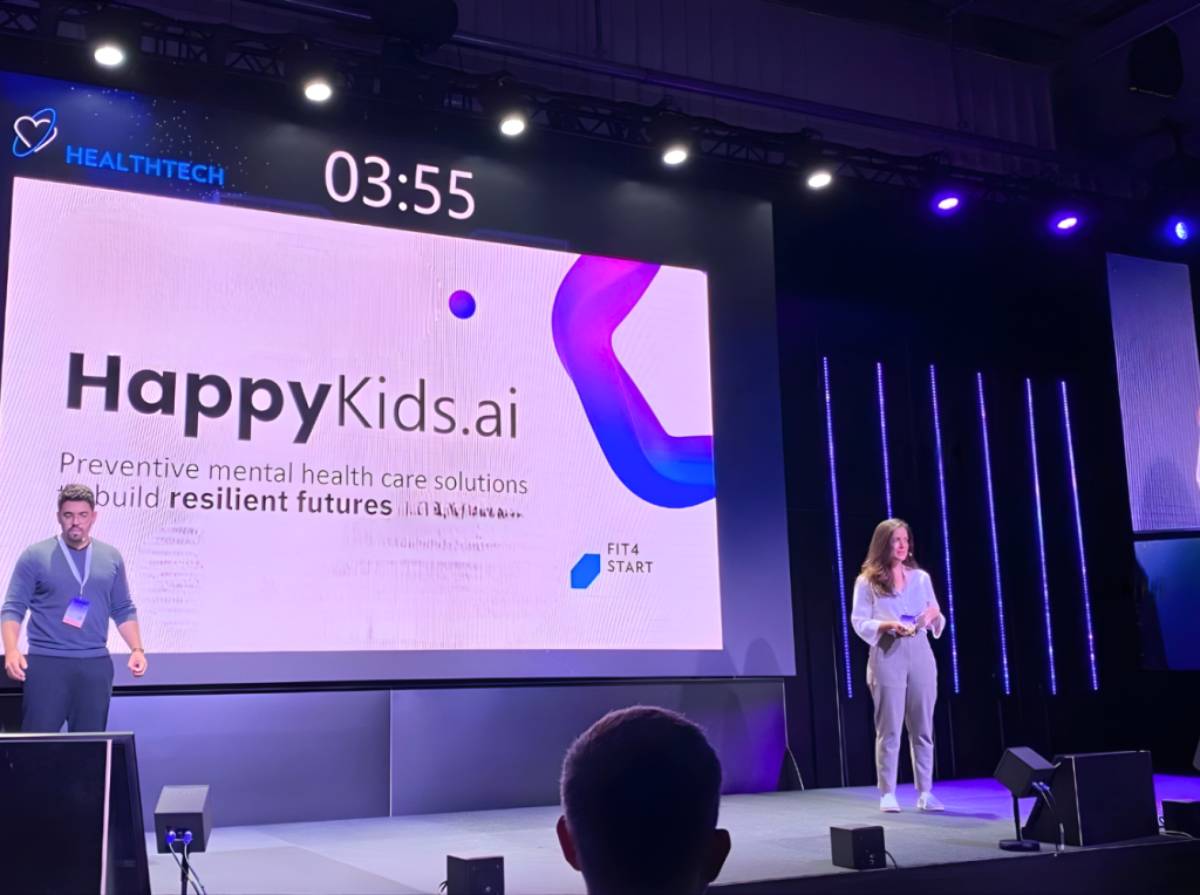
HappyKids.ai Expands AI Mental Support

HappyKids.ai is developing an AI-driven platform that seeks to transform how children's mental health is monitored, supported, and managed.

July 29, 2026
|

Artificial intelligence is increasingly being applied to healthcare as HappyKids.ai introduces an innovative platform focused on supporting children's mental health and emotional well-being. The initiative reflects a growing global movement toward preventive, technology-enabled healthcare solutions designed to improve early intervention while expanding access to personalized mental health support for younger generations.

HappyKids.ai is developing an AI-driven platform that seeks to transform how children's mental health is monitored, supported, and managed. The initiative combines artificial intelligence with behavioral insights to help parents, educators, and healthcare professionals identify emotional challenges earlier and provide more personalized support.

The platform emphasizes proactive mental wellness rather than crisis intervention alone, aiming to improve emotional resilience through digital tools and data-informed recommendations. By leveraging AI technologies, HappyKids.ai seeks to make mental health resources more accessible while complementing, rather than replacing, professional clinical care. The initiative aligns with broader efforts to integrate responsible AI into preventive healthcare services.

Children's mental health has become a growing global public health priority, with increasing awareness of anxiety, depression, behavioral disorders, and emotional well-being among young people. Healthcare systems worldwide continue to face shortages of mental health professionals, creating significant gaps in early diagnosis and ongoing support.

Artificial intelligence is emerging as a valuable tool for improving healthcare accessibility by assisting with screening, behavioral analysis, personalized recommendations, and continuous monitoring. Governments, healthcare providers, educational institutions, and technology companies are increasingly exploring AI-powered solutions that can complement traditional mental health services while maintaining appropriate ethical safeguards.

The development of platforms such as HappyKids.ai reflects broader digital health trends, where preventive care, remote monitoring, and personalized healthcare are becoming central components of modern health systems. However, successful implementation depends on strong data privacy protections, clinical validation, and transparent AI governance.

Healthcare experts generally view AI as a promising support tool for pediatric mental health, particularly in improving early identification of emotional or behavioral concerns. Analysts note that AI systems can assist professionals by analyzing behavioral patterns and identifying risk indicators that might otherwise go unnoticed, allowing earlier intervention.

Mental health specialists also stress that AI should complement not replace qualified psychologists, psychiatrists, and counselors. Effective deployment requires rigorous clinical testing, evidence-based methodologies, and careful attention to ethical considerations involving children's sensitive health data.

Technology leaders emphasize that trust will remain essential for adoption. Parents, educators, healthcare providers, and regulators are likely to expect transparent algorithms, secure data management, and compliance with evolving digital health regulations. Responsible AI governance will therefore be as important as technological innovation in determining long-term success.

For healthcare providers, AI-powered pediatric mental health platforms may improve service efficiency by supporting earlier assessments and expanding access to preventive care. Educational institutions could also benefit from digital tools that help identify students who may require additional emotional support.

Investors continue to view digital health and AI-driven healthcare as high-growth sectors, particularly where technology addresses pressing societal challenges. Policymakers are expected to strengthen regulatory frameworks governing AI in healthcare, emphasizing clinical accuracy, child safety, cybersecurity, data privacy, and ethical deployment. Companies operating in this sector will need to balance innovation with rigorous compliance and public trust.

As AI adoption accelerates across healthcare, platforms like HappyKids.ai will be closely watched for clinical effectiveness, regulatory compliance, and real-world outcomes. Decision-makers will monitor how responsibly AI can enhance children's mental healthcare while protecting privacy and ensuring human oversight. The future of pediatric digital health is likely to depend on combining technological innovation with strong ethical standards and evidence-based clinical practice.

Source: Silicon Luxembourg
Date: 2026

  • Featured tools
Wonder AI
Free

Wonder AI is a versatile AI-powered creative platform that generates text, images, and audio with minimal input, designed for fast storytelling, visual creation, and audio content generation

#
Art Generator
Learn more
Surfer AI
Free

Surfer AI is an AI-powered content creation assistant built into the Surfer SEO platform, designed to generate SEO-optimized articles from prompts, leveraging data from search results to inform tone, structure, and relevance.

#
SEO
Learn more

Learn more about future of AI

Join 80,000+ Ai enthusiast getting weekly updates on exciting AI tools.
Thank you! Your submission has been received!
Oops! Something went wrong while submitting the form.

HappyKids.ai Expands AI Mental Support

July 29, 2026

HappyKids.ai is developing an AI-driven platform that seeks to transform how children's mental health is monitored, supported, and managed.

Artificial intelligence is increasingly being applied to healthcare as HappyKids.ai introduces an innovative platform focused on supporting children's mental health and emotional well-being. The initiative reflects a growing global movement toward preventive, technology-enabled healthcare solutions designed to improve early intervention while expanding access to personalized mental health support for younger generations.

HappyKids.ai is developing an AI-driven platform that seeks to transform how children's mental health is monitored, supported, and managed. The initiative combines artificial intelligence with behavioral insights to help parents, educators, and healthcare professionals identify emotional challenges earlier and provide more personalized support.

The platform emphasizes proactive mental wellness rather than crisis intervention alone, aiming to improve emotional resilience through digital tools and data-informed recommendations. By leveraging AI technologies, HappyKids.ai seeks to make mental health resources more accessible while complementing, rather than replacing, professional clinical care. The initiative aligns with broader efforts to integrate responsible AI into preventive healthcare services.

Children's mental health has become a growing global public health priority, with increasing awareness of anxiety, depression, behavioral disorders, and emotional well-being among young people. Healthcare systems worldwide continue to face shortages of mental health professionals, creating significant gaps in early diagnosis and ongoing support.

Artificial intelligence is emerging as a valuable tool for improving healthcare accessibility by assisting with screening, behavioral analysis, personalized recommendations, and continuous monitoring. Governments, healthcare providers, educational institutions, and technology companies are increasingly exploring AI-powered solutions that can complement traditional mental health services while maintaining appropriate ethical safeguards.

The development of platforms such as HappyKids.ai reflects broader digital health trends, where preventive care, remote monitoring, and personalized healthcare are becoming central components of modern health systems. However, successful implementation depends on strong data privacy protections, clinical validation, and transparent AI governance.

Healthcare experts generally view AI as a promising support tool for pediatric mental health, particularly in improving early identification of emotional or behavioral concerns. Analysts note that AI systems can assist professionals by analyzing behavioral patterns and identifying risk indicators that might otherwise go unnoticed, allowing earlier intervention.

Mental health specialists also stress that AI should complement not replace qualified psychologists, psychiatrists, and counselors. Effective deployment requires rigorous clinical testing, evidence-based methodologies, and careful attention to ethical considerations involving children's sensitive health data.

Technology leaders emphasize that trust will remain essential for adoption. Parents, educators, healthcare providers, and regulators are likely to expect transparent algorithms, secure data management, and compliance with evolving digital health regulations. Responsible AI governance will therefore be as important as technological innovation in determining long-term success.

For healthcare providers, AI-powered pediatric mental health platforms may improve service efficiency by supporting earlier assessments and expanding access to preventive care. Educational institutions could also benefit from digital tools that help identify students who may require additional emotional support.

Investors continue to view digital health and AI-driven healthcare as high-growth sectors, particularly where technology addresses pressing societal challenges. Policymakers are expected to strengthen regulatory frameworks governing AI in healthcare, emphasizing clinical accuracy, child safety, cybersecurity, data privacy, and ethical deployment. Companies operating in this sector will need to balance innovation with rigorous compliance and public trust.

As AI adoption accelerates across healthcare, platforms like HappyKids.ai will be closely watched for clinical effectiveness, regulatory compliance, and real-world outcomes. Decision-makers will monitor how responsibly AI can enhance children's mental healthcare while protecting privacy and ensuring human oversight. The future of pediatric digital health is likely to depend on combining technological innovation with strong ethical standards and evidence-based clinical practice.

Source: Silicon Luxembourg
Date: 2026

Promote Your Tool

Copy Embed Code

Similar Blogs

July 29, 2026
|

EmulationStation Enhances Retro Gaming Experience

EmulationStation is a front-end interface designed to organize and present video game emulation libraries through a streamlined user experience.
Read more
July 29, 2026
|

Tomoson Expands Influencer Marketing Collaboration

Tomoson operates as an influencer marketing platform designed to help brands collaborate with content creators and manage promotional campaigns.
Read more
July 29, 2026
|

ZeroBin.net Advances Secure Data Sharing

ZeroBin.net operates as a privacy-oriented platform that allows users to share encrypted information through temporary digital channels.
Read more
July 29, 2026
|

Gaia Expands Digital Knowledge Access

Gaia operates within the broader category of digital platforms focused on information discovery, organization, and knowledge accessibility.
Read more
July 29, 2026
|

MailDrop Expands Privacy Email Solutions

MailDrop operates as a temporary email service designed to help users create disposable email addresses for online registrations and digital interactions.
Read more
July 29, 2026
|

MacX YouTube Downloader Enhances Video Management

MacX YouTube Downloader is a multimedia software solution designed to support video downloading, conversion, and management from online platforms.
Read more