



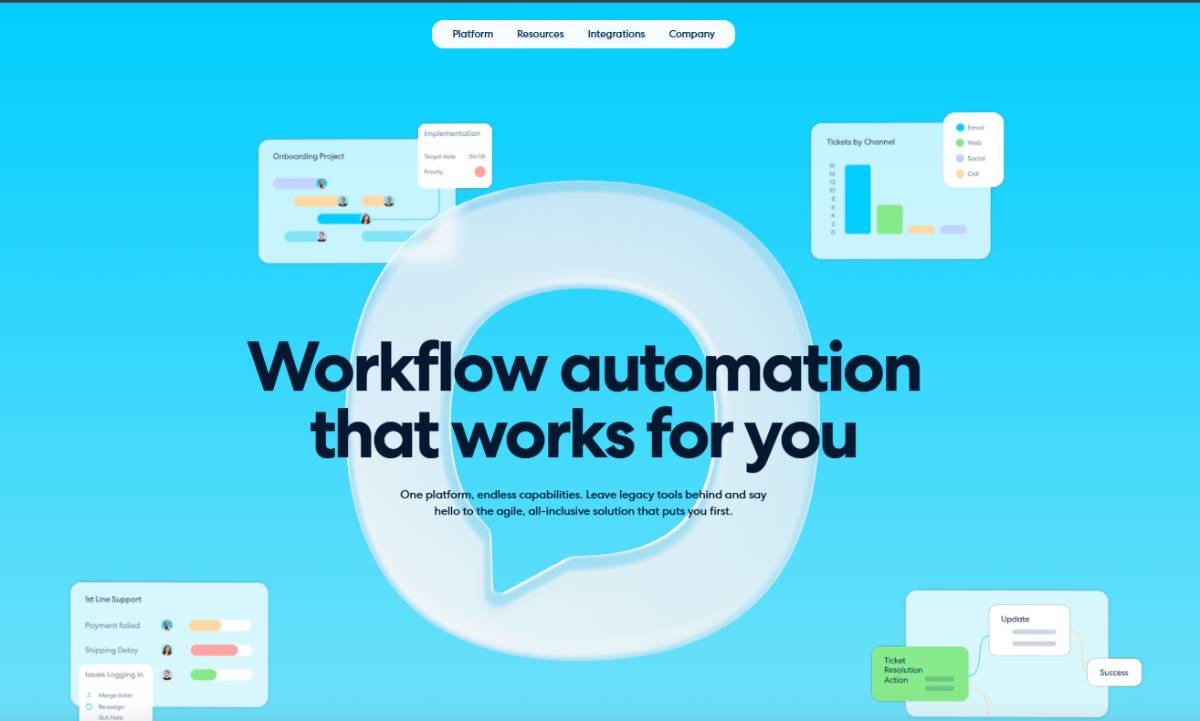
The enterprise IT management sector continues evolving as organizations prioritize automation, operational resilience, and improved employee support. Halo Service Desk reflects the growing demand for modern IT service management (ITSM) platforms that streamline incident resolution, service delivery, and digital workflows, helping businesses strengthen productivity and governance across increasingly complex technology environments.
Halo Service Desk operates within the IT service management (ITSM) market, providing organizations with centralized tools for incident management, service requests, asset tracking, workflow automation, and customer support operations. The platform supports businesses seeking to modernize IT operations while improving service quality and operational efficiency.
Key stakeholders include enterprise IT departments, managed service providers (MSPs), corporate employees, software vendors, and digital transformation leaders. As organizations increasingly adopt cloud infrastructure and hybrid work models, demand for scalable service management solutions continues to rise.
The platform reflects broader enterprise priorities around automation, compliance, operational visibility, and responsive technology support. IT service management has become a strategic business function as organizations rely more heavily on digital infrastructure to support operations. Modern enterprises require efficient systems to manage incidents, automate repetitive processes, monitor assets, and maintain service continuity across distributed workforces.
This development aligns with a broader trend across global markets where digital transformation initiatives are driving investments in workflow automation, cloud computing, cybersecurity, and enterprise service management. Businesses are increasingly adopting ITSM frameworks such as ITIL to standardize service delivery and improve operational performance.
Historically, service desk operations relied on manual ticket handling and disconnected support systems. Today's platforms integrate automation, analytics, artificial intelligence, and self-service capabilities to reduce response times and improve user experiences. Solutions such as Halo Service Desk demonstrate the growing role of intelligent service management in supporting enterprise resilience and long-term digital modernization.
Technology analysts believe IT service management will remain a core investment area as enterprises accelerate digital transformation. Organizations increasingly require platforms capable of integrating IT operations, customer service, asset management, and workflow automation into unified ecosystems.
Industry experts highlight automation and artificial intelligence as major drivers of future ITSM innovation. AI-powered ticket classification, predictive maintenance, intelligent knowledge management, and virtual support assistants are expected to improve operational efficiency while reducing service costs.
Analysts also emphasize that governance, cybersecurity, and regulatory compliance are becoming more closely linked with IT service management. Businesses selecting enterprise platforms are increasingly evaluating scalability, integration capabilities, reporting features, and security controls alongside traditional service desk functionality.
These trends position modern ITSM platforms as strategic infrastructure supporting enterprise-wide operational excellence. For businesses, advanced IT service management platforms improve operational efficiency, reduce technology downtime, and strengthen employee productivity through faster issue resolution and automated workflows. Organizations can also enhance governance by centralizing service processes and performance monitoring.
Investors continue viewing enterprise software and IT automation as resilient technology sectors supported by long-term digital transformation spending. Policymakers and regulators are simultaneously increasing expectations surrounding cybersecurity, data protection, digital resilience, and operational risk management.
For executives, investing in intelligent service management capabilities has become a strategic priority. Organizations that modernize IT operations with scalable, secure, and automated platforms are better positioned to support sustainable business growth and digital innovation.
The future of enterprise IT service management is expected to center on artificial intelligence, predictive analytics, autonomous workflows, and deeper cloud integration. Decision-makers should monitor developments in AI-powered service automation, cybersecurity standards, and enterprise compliance requirements. Platforms that successfully combine intelligent automation with secure, scalable service delivery will play an increasingly important role in supporting global digital business operations.
Source: Crozdesk
Date: August 3, 2026


