
Google Workspace AI Push Sparks Debate

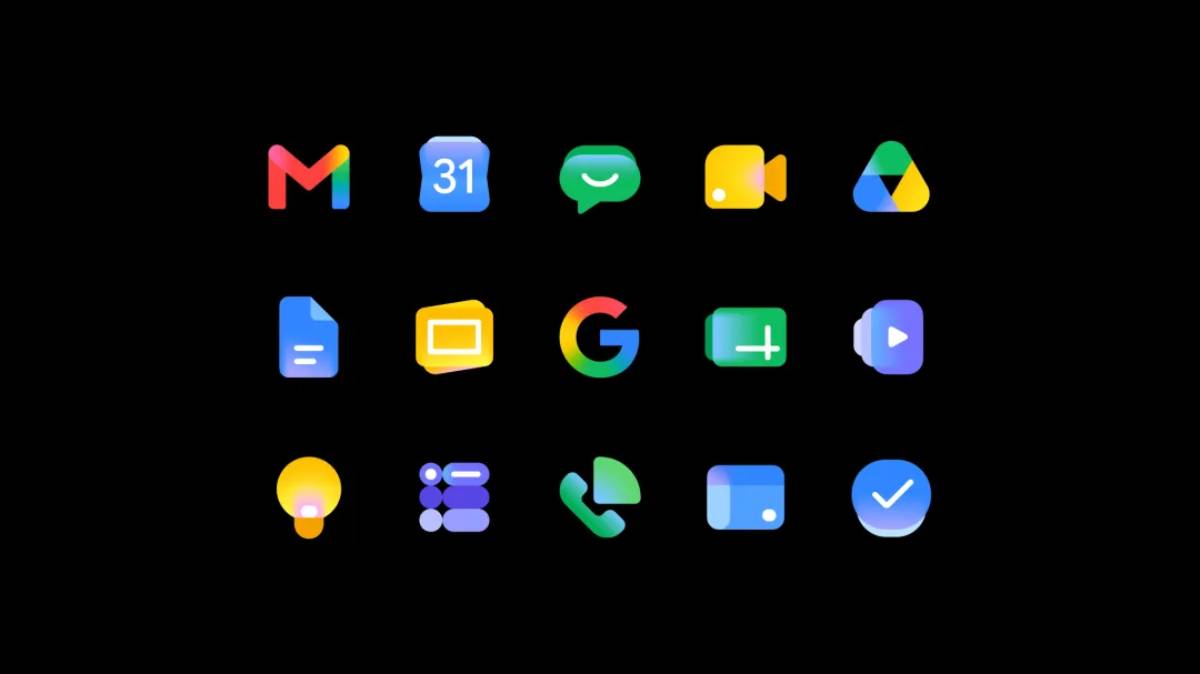
Google has publicly discussed the rationale behind the updated icons across its Workspace ecosystem, following widespread online debate regarding usability and visual similarity between applications.

May 27, 2026
|

Google has formally addressed user reactions to its redesigned Workspace app icons, framing the visual overhaul as part of a broader AI-driven productivity strategy. The move underscores how even seemingly minor interface changes are becoming strategically significant as technology companies reshape digital work ecosystems around artificial intelligence.

Google has publicly discussed the rationale behind the updated icons across its Workspace ecosystem, following widespread online debate regarding usability and visual similarity between applications.

The redesign affects core productivity tools including Gmail, Docs, Sheets, Meet, and Calendar, aligning them with Google’s evolving AI-centric branding and interface strategy. Critics argue the icons have become harder to distinguish quickly, particularly in enterprise and multitasking environments.

Google maintains that the redesign is intended to create a more cohesive cross-platform experience as AI features become increasingly integrated across Workspace products. The discussion reflects broader tensions between brand consistency, usability, and AI-era product identity.

The Workspace redesign reflects a wider transformation underway across the global software industry, where technology firms are repositioning productivity suites around AI-enabled workflows and interconnected ecosystems. Over the past two years, companies including Microsoft, Google, and others have accelerated efforts to integrate generative AI directly into workplace applications.

As AI assistants become embedded in email, collaboration, scheduling, and document creation tools, companies are increasingly redesigning interfaces to present unified digital environments rather than standalone applications.

However, enterprise software users often prioritize clarity, speed, and familiarity over aesthetic consistency. Historically, interface redesigns that reduce visual differentiation have triggered user frustration, particularly among professionals managing high-volume workflows.

The debate surrounding Workspace icons therefore represents more than a branding issue it reflects broader questions about how AI-era productivity platforms should balance innovation, accessibility, and practical workplace efficiency.

Design and enterprise software analysts suggest the response to Google’s Workspace redesign highlights a growing disconnect between corporate branding priorities and user-centric functionality.

Experts note that as companies consolidate products under unified AI ecosystems, visual consistency becomes strategically important for reinforcing platform identity and cross-service integration. However, they also caution that excessive similarity between applications may reduce usability and increase cognitive friction for professionals operating across multiple tools simultaneously.

Enterprise IT specialists argue that productivity software design has become increasingly sensitive because remote and hybrid work environments have amplified reliance on digital workflows.

Some analysts believe Google’s public engagement with criticism signals recognition that user experience remains a competitive differentiator in the enterprise software market, especially as AI features become standardized across platforms.

For businesses, the Workspace redesign demonstrates how AI transformation strategies increasingly extend beyond backend functionality into branding, interface design, and user interaction models. Companies adopting enterprise software may need to evaluate how design changes affect workforce productivity and employee adaptation.

For investors, the situation reflects intensifying competition in workplace productivity ecosystems where customer retention depends not only on AI capabilities but also on usability and workflow efficiency.

From a governance perspective, the issue raises broader questions about accessibility standards and user-centered design in enterprise technology. Organizations may face growing pressure to ensure AI-driven software transformations do not compromise operational clarity or workplace efficiency.

Looking ahead, enterprise software providers are expected to continue redesigning platforms around AI-integrated workflows and unified ecosystem strategies. Decision-makers should monitor how users respond to increasingly interconnected digital work environments, particularly regarding usability and adoption rates. As generative AI becomes embedded across productivity platforms, companies that successfully balance innovation with intuitive design may gain a lasting competitive advantage in the evolving workplace technology market.

Source: The Verge
Date:
May 27, 2026

  • Featured tools
Alli AI
Free

Alli AI is an all-in-one, AI-powered SEO automation platform that streamlines on-page optimization, site auditing, speed improvements, schema generation, internal linking, and ranking insights.

#
SEO
Learn more
Twistly AI
Paid

Twistly AI is a PowerPoint add-in that allows users to generate full slide decks, improve existing presentations, and convert various content types into polished slides directly within Microsoft PowerPoint.It streamlines presentation creation using AI-powered text analysis, image generation and content conversion.

#
Presentation
Learn more

Learn more about future of AI

Join 80,000+ Ai enthusiast getting weekly updates on exciting AI tools.
Thank you! Your submission has been received!
Oops! Something went wrong while submitting the form.

Google Workspace AI Push Sparks Debate

May 27, 2026

Google has publicly discussed the rationale behind the updated icons across its Workspace ecosystem, following widespread online debate regarding usability and visual similarity between applications.

Google has formally addressed user reactions to its redesigned Workspace app icons, framing the visual overhaul as part of a broader AI-driven productivity strategy. The move underscores how even seemingly minor interface changes are becoming strategically significant as technology companies reshape digital work ecosystems around artificial intelligence.

Google has publicly discussed the rationale behind the updated icons across its Workspace ecosystem, following widespread online debate regarding usability and visual similarity between applications.

The redesign affects core productivity tools including Gmail, Docs, Sheets, Meet, and Calendar, aligning them with Google’s evolving AI-centric branding and interface strategy. Critics argue the icons have become harder to distinguish quickly, particularly in enterprise and multitasking environments.

Google maintains that the redesign is intended to create a more cohesive cross-platform experience as AI features become increasingly integrated across Workspace products. The discussion reflects broader tensions between brand consistency, usability, and AI-era product identity.

The Workspace redesign reflects a wider transformation underway across the global software industry, where technology firms are repositioning productivity suites around AI-enabled workflows and interconnected ecosystems. Over the past two years, companies including Microsoft, Google, and others have accelerated efforts to integrate generative AI directly into workplace applications.

As AI assistants become embedded in email, collaboration, scheduling, and document creation tools, companies are increasingly redesigning interfaces to present unified digital environments rather than standalone applications.

However, enterprise software users often prioritize clarity, speed, and familiarity over aesthetic consistency. Historically, interface redesigns that reduce visual differentiation have triggered user frustration, particularly among professionals managing high-volume workflows.

The debate surrounding Workspace icons therefore represents more than a branding issue it reflects broader questions about how AI-era productivity platforms should balance innovation, accessibility, and practical workplace efficiency.

Design and enterprise software analysts suggest the response to Google’s Workspace redesign highlights a growing disconnect between corporate branding priorities and user-centric functionality.

Experts note that as companies consolidate products under unified AI ecosystems, visual consistency becomes strategically important for reinforcing platform identity and cross-service integration. However, they also caution that excessive similarity between applications may reduce usability and increase cognitive friction for professionals operating across multiple tools simultaneously.

Enterprise IT specialists argue that productivity software design has become increasingly sensitive because remote and hybrid work environments have amplified reliance on digital workflows.

Some analysts believe Google’s public engagement with criticism signals recognition that user experience remains a competitive differentiator in the enterprise software market, especially as AI features become standardized across platforms.

For businesses, the Workspace redesign demonstrates how AI transformation strategies increasingly extend beyond backend functionality into branding, interface design, and user interaction models. Companies adopting enterprise software may need to evaluate how design changes affect workforce productivity and employee adaptation.

For investors, the situation reflects intensifying competition in workplace productivity ecosystems where customer retention depends not only on AI capabilities but also on usability and workflow efficiency.

From a governance perspective, the issue raises broader questions about accessibility standards and user-centered design in enterprise technology. Organizations may face growing pressure to ensure AI-driven software transformations do not compromise operational clarity or workplace efficiency.

Looking ahead, enterprise software providers are expected to continue redesigning platforms around AI-integrated workflows and unified ecosystem strategies. Decision-makers should monitor how users respond to increasingly interconnected digital work environments, particularly regarding usability and adoption rates. As generative AI becomes embedded across productivity platforms, companies that successfully balance innovation with intuitive design may gain a lasting competitive advantage in the evolving workplace technology market.

Source: The Verge
Date:
May 27, 2026

Promote Your Tool

Copy Embed Code

Similar Blogs

May 27, 2026
|

SushiLab AI Platforms Expand Digital Identity

SushiLab is positioning itself within the rapidly evolving AI personalization market by offering technology aimed at enabling users to maintain a consistent AI-powered personality across digital environments.
Read more
May 27, 2026
|

Grubby AI Humanization Debate Challenges Digital Trust

Grubby AI has entered the rapidly growing market for AI text humanization platforms, offering tools intended to modify AI-generated writing so it resembles human-authored content.
Read more
May 27, 2026
|

Microsoft Copilot Expands Enterprise AI Automation

Microsoft Copilot has emerged as a central pillar in Microsoft’s broader artificial intelligence strategy, embedding generative AI capabilities across business applications, cloud infrastructure, and consumer productivity platforms.
Read more
May 27, 2026
|

Agentic AI Platforms Accelerate Enterprise Automation

Agentic AI is positioning itself within the expanding market for autonomous AI agents systems designed to perform real-world digital tasks with limited human intervention.
Read more
May 27, 2026
|

ParakeetAI Interview Automation Hiring Intelligence

ParakeetAI is positioning itself within the rapidly expanding AI recruitment software market by offering interview assistance capabilities designed to support hiring teams through automated note-taking.
Read more
May 27, 2026
|

AI Homework Platforms Accelerate EdTech Race

Gauth, an AI-powered homework assistance platform, is positioning itself as a broad academic support ecosystem offering solutions across mathematics, science, writing, and other school subjects.
Read more