
Google Unifies Enterprise AI Agent Platform

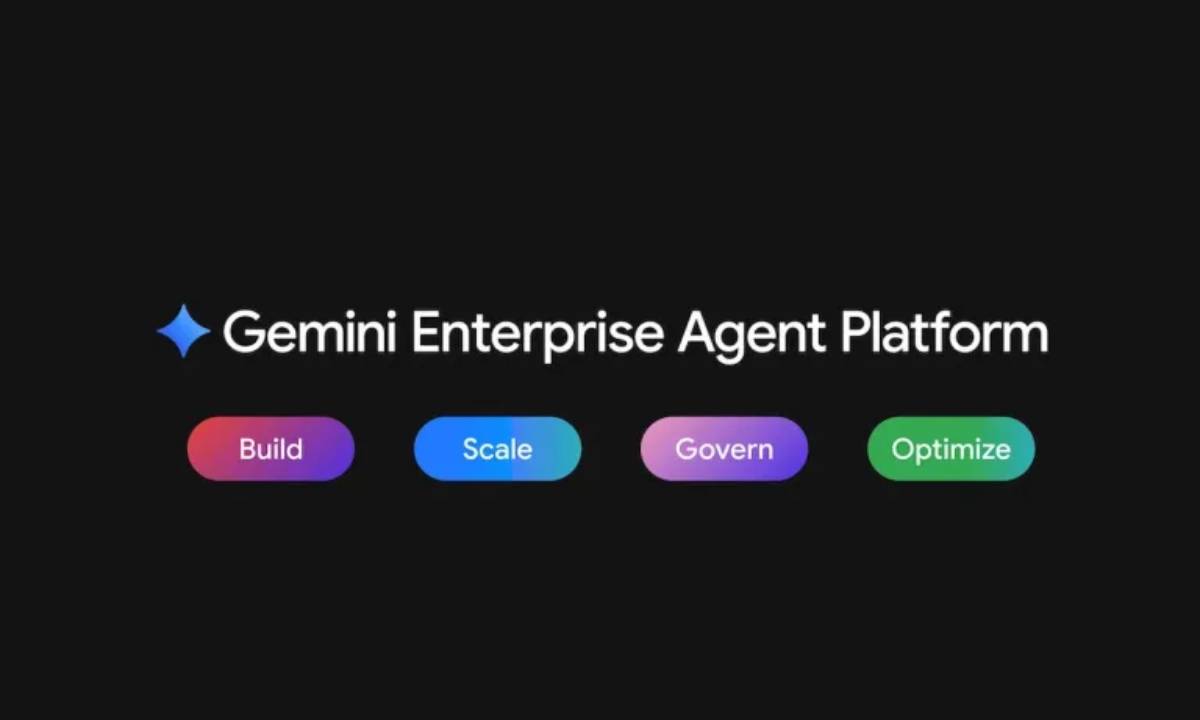
Google has integrated its enterprise AI agent capabilities into a centralized platform designed to provide businesses with a cohesive development and deployment environment.

April 24, 2026
|
Image Source: PYMNTS

Google is streamlining its enterprise artificial intelligence offerings by consolidating AI agent tools into a single unified AI platform and AI framework. The move signals a strategic push to simplify adoption for businesses, strengthen competitive positioning, and accelerate enterprise integration of autonomous AI systems across global markets.

Google has integrated its enterprise AI agent capabilities into a centralized platform designed to provide businesses with a cohesive development and deployment environment. The unified AI platform and AI framework brings together tools for building, managing, and scaling AI agents, reducing fragmentation across services. This approach enables enterprises to deploy autonomous systems more efficiently across workflows such as customer service, operations, and analytics.

The consolidation reflects growing demand from enterprises for simplified AI infrastructure. It also positions Google more directly against competitors offering integrated AI ecosystems, as organizations seek scalable, end-to-end solutions for AI adoption.

The move by Google aligns with a broader shift toward platform consolidation in the artificial intelligence industry. As enterprises increasingly deploy AI agents, the complexity of managing multiple tools and services has become a barrier to adoption.

Technology providers are responding by integrating capabilities into unified platforms that streamline development, deployment, and governance. This trend is particularly evident in the rise of AI agents systems capable of executing tasks autonomously across enterprise environments.

Historically, enterprise software evolved from fragmented solutions to integrated platforms, and AI appears to be following a similar trajectory. The consolidation of tools into a single AI platform and AI framework reflects growing demand for operational efficiency, interoperability, and scalability in enterprise AI ecosystems.

Industry analysts suggest that Google’s move to unify its AI agent tools represents a critical step toward simplifying enterprise adoption. Experts note that fragmentation has been a key challenge in deploying AI at scale, often leading to inefficiencies and increased costs.

Technology strategists emphasize that integrated platforms allow organizations to better manage data, workflows, and governance within a single environment. This is particularly important as AI agents become more autonomous and embedded in business operations.

Market observers also highlight that competition among major technology firms is intensifying around platform ecosystems rather than standalone tools. While no direct quotes are cited, expert commentary broadly frames this consolidation as a necessary evolution to support the next phase of enterprise AI growth.

For businesses, the unified AI platform and AI framework from Google could significantly reduce complexity in deploying and scaling AI agents, enabling faster time-to-value and improved operational efficiency.

For investors, the move signals intensifying competition among technology providers to dominate the enterprise AI ecosystem, with platform integration emerging as a key differentiator.

From a policy perspective, the consolidation of AI capabilities raises considerations around data governance, interoperability standards, and regulatory oversight, particularly as enterprises rely more heavily on centralized AI systems for critical operations.

Looking ahead, the success of Google’s unified AI platform and AI framework will depend on enterprise adoption, ecosystem development, and integration capabilities. As competition intensifies, organizations will prioritize platforms that offer scalability, security, and ease of use. The evolution of AI agents is expected to further drive demand for consolidated solutions in the coming years.

Source: PYMNTS
Date: April 2026

  • Featured tools
Murf Ai
Free

Murf AI Review – Advanced AI Voice Generator for Realistic Voiceovers

#
Text to Speech
Learn more
WellSaid Ai
Free

WellSaid AI is an advanced text-to-speech platform that transforms written text into lifelike, human-quality voiceovers.

#
Text to Speech
Learn more

Learn more about future of AI

Join 80,000+ Ai enthusiast getting weekly updates on exciting AI tools.
Thank you! Your submission has been received!
Oops! Something went wrong while submitting the form.

Google Unifies Enterprise AI Agent Platform

April 24, 2026

Google has integrated its enterprise AI agent capabilities into a centralized platform designed to provide businesses with a cohesive development and deployment environment.

Image Source: PYMNTS

Google is streamlining its enterprise artificial intelligence offerings by consolidating AI agent tools into a single unified AI platform and AI framework. The move signals a strategic push to simplify adoption for businesses, strengthen competitive positioning, and accelerate enterprise integration of autonomous AI systems across global markets.

Google has integrated its enterprise AI agent capabilities into a centralized platform designed to provide businesses with a cohesive development and deployment environment. The unified AI platform and AI framework brings together tools for building, managing, and scaling AI agents, reducing fragmentation across services. This approach enables enterprises to deploy autonomous systems more efficiently across workflows such as customer service, operations, and analytics.

The consolidation reflects growing demand from enterprises for simplified AI infrastructure. It also positions Google more directly against competitors offering integrated AI ecosystems, as organizations seek scalable, end-to-end solutions for AI adoption.

The move by Google aligns with a broader shift toward platform consolidation in the artificial intelligence industry. As enterprises increasingly deploy AI agents, the complexity of managing multiple tools and services has become a barrier to adoption.

Technology providers are responding by integrating capabilities into unified platforms that streamline development, deployment, and governance. This trend is particularly evident in the rise of AI agents systems capable of executing tasks autonomously across enterprise environments.

Historically, enterprise software evolved from fragmented solutions to integrated platforms, and AI appears to be following a similar trajectory. The consolidation of tools into a single AI platform and AI framework reflects growing demand for operational efficiency, interoperability, and scalability in enterprise AI ecosystems.

Industry analysts suggest that Google’s move to unify its AI agent tools represents a critical step toward simplifying enterprise adoption. Experts note that fragmentation has been a key challenge in deploying AI at scale, often leading to inefficiencies and increased costs.

Technology strategists emphasize that integrated platforms allow organizations to better manage data, workflows, and governance within a single environment. This is particularly important as AI agents become more autonomous and embedded in business operations.

Market observers also highlight that competition among major technology firms is intensifying around platform ecosystems rather than standalone tools. While no direct quotes are cited, expert commentary broadly frames this consolidation as a necessary evolution to support the next phase of enterprise AI growth.

For businesses, the unified AI platform and AI framework from Google could significantly reduce complexity in deploying and scaling AI agents, enabling faster time-to-value and improved operational efficiency.

For investors, the move signals intensifying competition among technology providers to dominate the enterprise AI ecosystem, with platform integration emerging as a key differentiator.

From a policy perspective, the consolidation of AI capabilities raises considerations around data governance, interoperability standards, and regulatory oversight, particularly as enterprises rely more heavily on centralized AI systems for critical operations.

Looking ahead, the success of Google’s unified AI platform and AI framework will depend on enterprise adoption, ecosystem development, and integration capabilities. As competition intensifies, organizations will prioritize platforms that offer scalability, security, and ease of use. The evolution of AI agents is expected to further drive demand for consolidated solutions in the coming years.

Source: PYMNTS
Date: April 2026

Promote Your Tool

Copy Embed Code

Similar Blogs

April 24, 2026
|

Apple iPhone Feature Targets Rising Spam Calls

Apple is promoting a native iPhone setting “Silence Unknown Callers” that automatically filters calls from numbers not in a user’s contacts, recent calls, or Siri suggestions.
Read more
April 24, 2026
|

McAfee Pushes Tools for Growing Digital Footprints

McAfee has introduced features that allow users to identify, manage, and delete outdated online accounts, subscriptions, and stored personal data.
Read more
April 24, 2026
|

Mullvad Adds iOS Kill Switch to Boost Privacy

Mullvad VPN’s new feature acts as a kill switch, automatically blocking all internet traffic if the VPN disconnects, ensuring no data leaks occur during transitions between networks.
Read more
April 24, 2026
|

AI Tools Boost Cyber Threats From N Korean Hackers

Investigations reveal that threat actors associated with North Korea are increasingly leveraging AI-powered tools to improve phishing campaigns, automate coding tasks, and refine social engineering tactics.
Read more
April 24, 2026
|

Mozilla Uses AI Bug Hunting to Boost Firefox Security

Mozilla used Anthropic’s Mythos AI tool to uncover and fix 271 bugs within Firefox, significantly enhancing the browser’s security and performance.
Read more
April 24, 2026
|

Google Revives Persistent AI for Smart Homes

Google is reintroducing “continued conversations” in its Gemini for Home experience, allowing users to interact with devices without repeatedly triggering wake commands.
Read more