
Google Overhauls AI Search Discovery Experience

Google introduced an expanded AI-powered search experience featuring conversational interactions, intelligent query handling, multimodal capabilities, and AI agent-driven assistance designed to complete complex tasks directly within search environments.

May 20, 2026
|
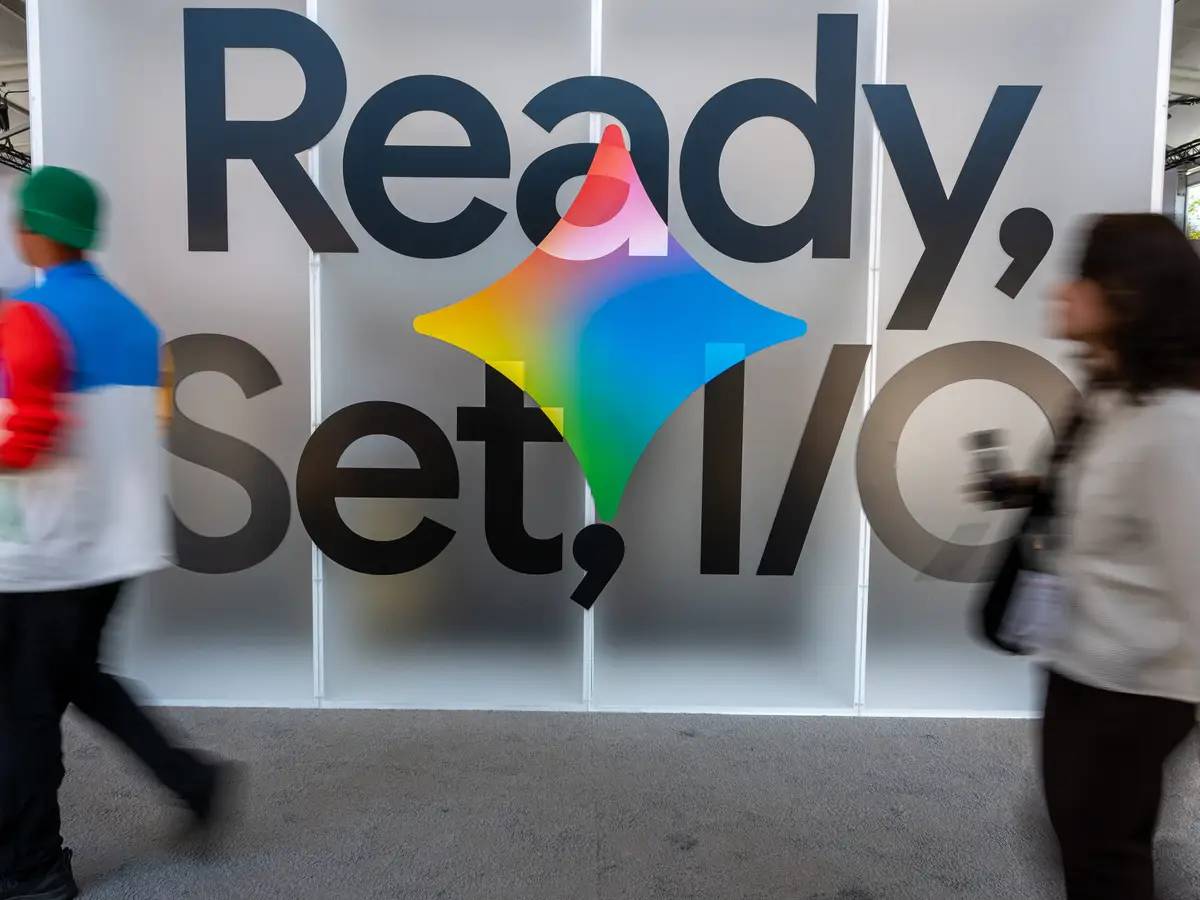
Image Source: Business Insider

Google is rolling out one of the most significant AI-driven transformations in the history of its search platform, introducing intelligent search features, AI agents, and conversational discovery tools. The overhaul signals a broader shift toward AI-native internet navigation with major implications for advertising, publishing, enterprise software, and digital consumer behavior worldwide.

Google introduced an expanded AI-powered search experience featuring conversational interactions, intelligent query handling, multimodal capabilities, and AI agent-driven assistance designed to complete complex tasks directly within search environments. The changes aim to transform search from a keyword-based system into a more interactive, task-oriented digital assistant.

The revamped platform reportedly incorporates advanced reasoning capabilities capable of synthesizing information, providing contextual recommendations, and supporting personalized user experiences across devices and services. Google is positioning the initiative as part of its long-term AI-first strategy unveiled during I/O 2026.

The update also intensifies competition across the global AI search market as technology firms race to redefine how users access information online. The transformation of internet search has become one of the most strategically important developments in the artificial intelligence industry. Traditional search models built around links and keyword indexing are increasingly evolving into AI-powered conversational systems capable of generating direct responses, summarizing information, and automating digital tasks.

The competitive pressure accelerated following rapid advancements in generative AI technologies introduced by companies including OpenAI, Microsoft, and Google. Search platforms are now becoming central battlegrounds in the broader AI economy because they influence digital advertising, consumer engagement, enterprise productivity, and information distribution.

The shift also carries substantial economic implications for publishers, marketers, and online businesses that depend heavily on search-driven traffic. As AI-generated answers become more dominant, industry concerns surrounding attribution, monetization, accuracy, and platform power are becoming increasingly prominent globally.

Technology analysts view Google’s AI search overhaul as a defining moment in the evolution of digital information access. Experts argue that AI-powered search experiences could fundamentally reshape user expectations by prioritizing conversation, contextual reasoning, and direct task completion over conventional browsing behavior.

Google emphasized that the upgraded search experience is designed to make information retrieval more intuitive, efficient, and personalized while enabling users to accomplish increasingly sophisticated tasks directly within search workflows. The company framed the transformation as part of its broader vision for AI-assisted computing.

Industry observers note that AI-driven search systems may significantly alter competitive dynamics across advertising, e-commerce, and digital media ecosystems. Some analysts also warn that the growing concentration of AI-curated information may intensify scrutiny around algorithmic transparency, content fairness, misinformation risks, and market dominance within the global digital economy.

For businesses, Google’s AI-first search strategy could dramatically reshape customer acquisition, online visibility, and digital engagement models. Companies may need to redesign SEO strategies, content distribution approaches, and advertising frameworks to adapt to conversational AI-driven discovery systems.

For investors, the overhaul reinforces expectations that AI-native search and digital assistant platforms will become major drivers of future technology market growth. The transformation could influence cloud computing demand, advertising revenue models, and enterprise AI adoption trends.

For policymakers and regulators, increasingly AI-curated search experiences may raise new concerns surrounding competition, data governance, content attribution, algorithmic accountability, and information neutrality. Governments are likely to intensify oversight of how AI platforms shape digital access to information.

Attention now turns to user adoption trends, advertiser responses, and the broader impact of AI-native search on the digital economy. Industry leaders will closely monitor whether conversational AI interfaces fundamentally change online behavior and reshape internet business models. As search platforms evolve into intelligent assistants capable of executing tasks and synthesizing information, the balance between innovation, trust, and open information access may define the next era of the global internet ecosystem.

Source: Business Insider Technology Report
Date: 19 May 2026

  • Featured tools
Scalenut AI
Free

Scalenut AI is an all-in-one SEO content platform that combines AI-driven writing, keyword research, competitor insights, and optimization tools to help you plan, create, and rank content.

#
SEO
Learn more
Ai Fiesta
Paid

AI Fiesta is an all-in-one productivity platform that gives users access to multiple leading AI models through a single interface. It includes features like prompt enhancement, image generation, audio transcription and side-by-side model comparison.

#
Copywriting
#
Art Generator
Learn more

Learn more about future of AI

Join 80,000+ Ai enthusiast getting weekly updates on exciting AI tools.
Thank you! Your submission has been received!
Oops! Something went wrong while submitting the form.

Google Overhauls AI Search Discovery Experience

May 20, 2026

Google introduced an expanded AI-powered search experience featuring conversational interactions, intelligent query handling, multimodal capabilities, and AI agent-driven assistance designed to complete complex tasks directly within search environments.

Image Source: Business Insider

Google is rolling out one of the most significant AI-driven transformations in the history of its search platform, introducing intelligent search features, AI agents, and conversational discovery tools. The overhaul signals a broader shift toward AI-native internet navigation with major implications for advertising, publishing, enterprise software, and digital consumer behavior worldwide.

Google introduced an expanded AI-powered search experience featuring conversational interactions, intelligent query handling, multimodal capabilities, and AI agent-driven assistance designed to complete complex tasks directly within search environments. The changes aim to transform search from a keyword-based system into a more interactive, task-oriented digital assistant.

The revamped platform reportedly incorporates advanced reasoning capabilities capable of synthesizing information, providing contextual recommendations, and supporting personalized user experiences across devices and services. Google is positioning the initiative as part of its long-term AI-first strategy unveiled during I/O 2026.

The update also intensifies competition across the global AI search market as technology firms race to redefine how users access information online. The transformation of internet search has become one of the most strategically important developments in the artificial intelligence industry. Traditional search models built around links and keyword indexing are increasingly evolving into AI-powered conversational systems capable of generating direct responses, summarizing information, and automating digital tasks.

The competitive pressure accelerated following rapid advancements in generative AI technologies introduced by companies including OpenAI, Microsoft, and Google. Search platforms are now becoming central battlegrounds in the broader AI economy because they influence digital advertising, consumer engagement, enterprise productivity, and information distribution.

The shift also carries substantial economic implications for publishers, marketers, and online businesses that depend heavily on search-driven traffic. As AI-generated answers become more dominant, industry concerns surrounding attribution, monetization, accuracy, and platform power are becoming increasingly prominent globally.

Technology analysts view Google’s AI search overhaul as a defining moment in the evolution of digital information access. Experts argue that AI-powered search experiences could fundamentally reshape user expectations by prioritizing conversation, contextual reasoning, and direct task completion over conventional browsing behavior.

Google emphasized that the upgraded search experience is designed to make information retrieval more intuitive, efficient, and personalized while enabling users to accomplish increasingly sophisticated tasks directly within search workflows. The company framed the transformation as part of its broader vision for AI-assisted computing.

Industry observers note that AI-driven search systems may significantly alter competitive dynamics across advertising, e-commerce, and digital media ecosystems. Some analysts also warn that the growing concentration of AI-curated information may intensify scrutiny around algorithmic transparency, content fairness, misinformation risks, and market dominance within the global digital economy.

For businesses, Google’s AI-first search strategy could dramatically reshape customer acquisition, online visibility, and digital engagement models. Companies may need to redesign SEO strategies, content distribution approaches, and advertising frameworks to adapt to conversational AI-driven discovery systems.

For investors, the overhaul reinforces expectations that AI-native search and digital assistant platforms will become major drivers of future technology market growth. The transformation could influence cloud computing demand, advertising revenue models, and enterprise AI adoption trends.

For policymakers and regulators, increasingly AI-curated search experiences may raise new concerns surrounding competition, data governance, content attribution, algorithmic accountability, and information neutrality. Governments are likely to intensify oversight of how AI platforms shape digital access to information.

Attention now turns to user adoption trends, advertiser responses, and the broader impact of AI-native search on the digital economy. Industry leaders will closely monitor whether conversational AI interfaces fundamentally change online behavior and reshape internet business models. As search platforms evolve into intelligent assistants capable of executing tasks and synthesizing information, the balance between innovation, trust, and open information access may define the next era of the global internet ecosystem.

Source: Business Insider Technology Report
Date: 19 May 2026

Promote Your Tool

Copy Embed Code

Similar Blogs

June 23, 2026
|

AI Health Co Pilots Transform Care

The concept of a “silent co-pilot” in healthcare refers to AI systems embedded in digital health infrastructure that continuously analyze patient data, wearable inputs, and clinical records.
Read more
June 23, 2026
|

SOPHiA GENETICS Raises $57.5M Expansion

The Swiss-based health tech company completed a $57.5 million capital raise via a public offering, aimed at supporting its AI-driven analytics platform used in genomic and clinical data interpretation.
Read more
June 23, 2026
|

AI Agents Enter Consumer Finance

An AI agent executed a coffee purchase in Finland using a regulated payment channel supported by a major Nordic bank and a global card network.
Read more
June 23, 2026
|

Nokia Bets on AI Network Agents

Nokia has unveiled a vision centered on “agentic AI” embedded within its network services and IP infrastructure platforms.
Read more
June 23, 2026
|

Ericsson AI Leadership Transition Announced

Ericsson has announced a planned leadership transition with CEO Börje Ekholm set to step down after nearly a decade at the helm.
Read more
June 23, 2026
|

Benelux Ukraine Innovation Ties Strengthen

The Seeds of Bravery initiative is designed to connect Ukrainian startups with investors, accelerators, innovation hubs, and corporate partners across the Benelux region.
Read more