
Google Gemini Powers Enterprise Innovation Growth

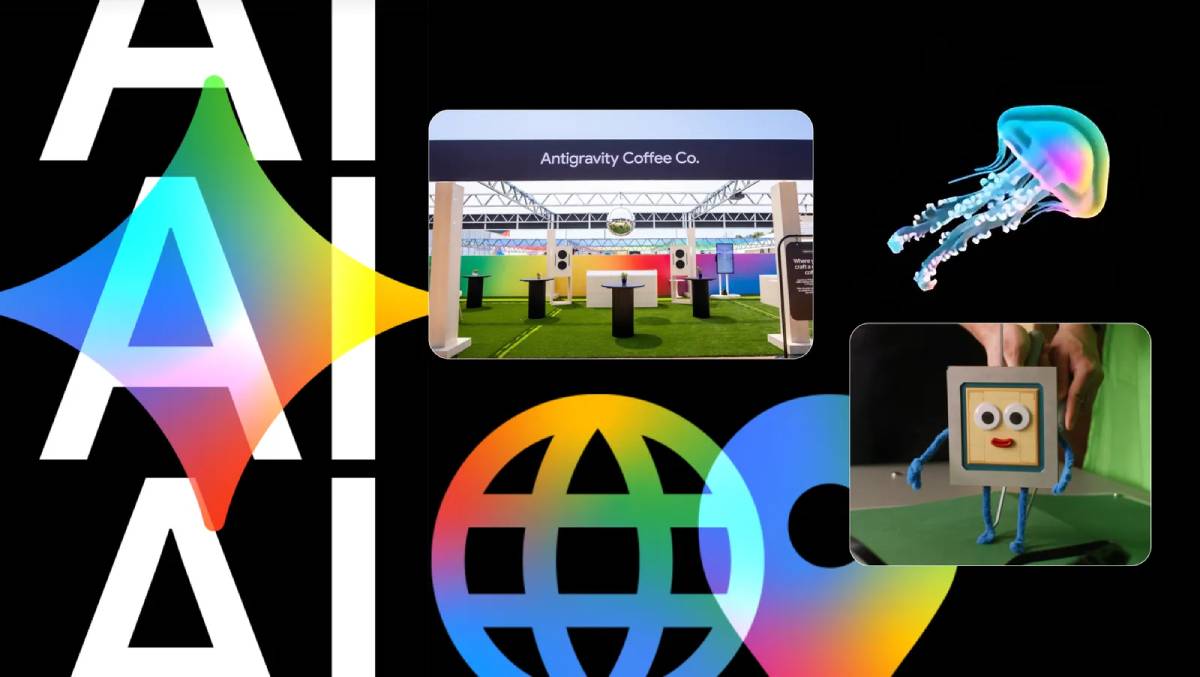
Google detailed how teams across the company leveraged Gemini during the planning and production of Google I/O 2026, one of the technology industry's largest annual developer conferences.

June 2, 2026
|
Image Source:  Google Blog

A notable milestone in enterprise AI adoption emerged as Google revealed how its Gemini AI platform was used extensively to help design, coordinate, and deliver Google I/O 2026. The disclosure offers a real-world demonstration of AI’s growing role in large-scale business operations, signaling how intelligent systems are moving beyond experimentation to become core tools for organizational productivity and execution.

Google detailed how teams across the company leveraged Gemini during the planning and production of Google I/O 2026, one of the technology industry's largest annual developer conferences. According to the company, Gemini supported tasks ranging from content development and information management to creative workflows, event coordination, and operational planning.

The initiative served as a large-scale internal test case for AI-assisted collaboration, demonstrating how generative AI can be embedded into complex enterprise processes. Google highlighted the use of AI across multiple departments, showcasing the technology's ability to streamline workflows, improve productivity, and accelerate decision-making.

The announcement comes as major corporations increasingly seek practical examples of AI delivering measurable business value beyond pilot projects and experimental deployments. The development aligns with a broader trend across global markets where organizations are shifting from AI experimentation toward enterprise-wide implementation.

Since the emergence of generative AI, businesses have explored a wide range of applications, including software development, customer service, marketing, research, and operational management. While much attention has focused on AI’s technical capabilities, executives have increasingly demanded evidence that these systems can improve real-world business performance.

Google's decision to showcase Gemini's role in organizing a major corporate event reflects a growing emphasis on demonstrating practical use cases rather than theoretical potential. As AI competition intensifies, technology companies are under pressure to prove that their platforms can generate tangible productivity gains for enterprises.

The announcement also highlights a broader shift in workplace technology. AI is evolving from a standalone tool into an integrated layer embedded across business functions. Rather than replacing individual tasks, organizations are increasingly using AI to support coordination, knowledge management, communication, and strategic planning.

Historically, transformative technologies such as cloud computing and mobile platforms achieved widespread adoption only after demonstrating clear operational benefits. Many analysts believe AI is entering a similar phase of commercialization and enterprise integration.

Industry analysts view Google's disclosure as a strategic effort to demonstrate the maturity of enterprise AI systems. While companies have spent years discussing AI's future potential, organizations increasingly want evidence that the technology can improve execution at scale.

Technology experts argue that one of the most important barriers to adoption remains trust. Enterprise leaders need assurance that AI systems can support complex workflows without compromising reliability, accuracy, or governance standards. Demonstrating successful deployment within Google itself provides a high-profile validation of Gemini's capabilities.

Google executives have consistently positioned Gemini as a platform designed to assist knowledge workers across multiple domains. By highlighting its use in organizing Google I/O, the company is showcasing AI not merely as a content-generation tool but as a collaborative operational resource.

Market strategists note that internal deployment stories often carry significant weight because they illustrate practical implementation rather than marketing claims. If organizations can see measurable efficiency gains from AI-supported operations, enterprise adoption may accelerate across industries.

Analysts also believe that real-world case studies will increasingly become a key differentiator among competing AI platforms. For business leaders, Google's experience offers insight into how AI can support large-scale operational activities. Companies may increasingly explore AI-driven approaches to project management, event planning, internal communications, workflow coordination, and organizational productivity.

Investors are likely to focus on whether enterprise AI platforms can generate measurable returns on investment through efficiency improvements and cost reductions. Demonstrated business outcomes could strengthen confidence in long-term AI spending.

For employees, AI-assisted workflows may reduce administrative burdens while allowing teams to focus on higher-value strategic activities. However, organizations will also need to address governance, workforce training, and responsible AI usage policies.

Policymakers and regulators are expected to continue monitoring how AI is deployed within enterprises, particularly regarding transparency, accountability, data protection, and workforce impacts. The next phase of enterprise AI adoption will likely be defined by measurable productivity gains rather than technical breakthroughs alone. Decision-makers should watch for additional case studies demonstrating how AI contributes to operational efficiency, collaboration, and business performance.

As organizations seek practical pathways to AI integration, examples such as Google’s use of Gemini at I/O 2026 may serve as important benchmarks. The broader lesson for executives is becoming increasingly clear: AI’s future value may be determined less by what it can generate and more by how effectively it helps organizations execute at scale.

Source: Google Blog
Date: June 2, 2026

  • Featured tools
Alli AI
Free

Alli AI is an all-in-one, AI-powered SEO automation platform that streamlines on-page optimization, site auditing, speed improvements, schema generation, internal linking, and ranking insights.

#
SEO
Learn more
Outplay AI
Free

Outplay AI is a dynamic sales engagement platform combining AI-powered outreach, multi-channel automation, and performance tracking to help teams optimize conversion and pipeline generation.

#
Sales
Learn more

Learn more about future of AI

Join 80,000+ Ai enthusiast getting weekly updates on exciting AI tools.
Thank you! Your submission has been received!
Oops! Something went wrong while submitting the form.

Google Gemini Powers Enterprise Innovation Growth

June 2, 2026

Google detailed how teams across the company leveraged Gemini during the planning and production of Google I/O 2026, one of the technology industry's largest annual developer conferences.

Image Source:  Google Blog

A notable milestone in enterprise AI adoption emerged as Google revealed how its Gemini AI platform was used extensively to help design, coordinate, and deliver Google I/O 2026. The disclosure offers a real-world demonstration of AI’s growing role in large-scale business operations, signaling how intelligent systems are moving beyond experimentation to become core tools for organizational productivity and execution.

Google detailed how teams across the company leveraged Gemini during the planning and production of Google I/O 2026, one of the technology industry's largest annual developer conferences. According to the company, Gemini supported tasks ranging from content development and information management to creative workflows, event coordination, and operational planning.

The initiative served as a large-scale internal test case for AI-assisted collaboration, demonstrating how generative AI can be embedded into complex enterprise processes. Google highlighted the use of AI across multiple departments, showcasing the technology's ability to streamline workflows, improve productivity, and accelerate decision-making.

The announcement comes as major corporations increasingly seek practical examples of AI delivering measurable business value beyond pilot projects and experimental deployments. The development aligns with a broader trend across global markets where organizations are shifting from AI experimentation toward enterprise-wide implementation.

Since the emergence of generative AI, businesses have explored a wide range of applications, including software development, customer service, marketing, research, and operational management. While much attention has focused on AI’s technical capabilities, executives have increasingly demanded evidence that these systems can improve real-world business performance.

Google's decision to showcase Gemini's role in organizing a major corporate event reflects a growing emphasis on demonstrating practical use cases rather than theoretical potential. As AI competition intensifies, technology companies are under pressure to prove that their platforms can generate tangible productivity gains for enterprises.

The announcement also highlights a broader shift in workplace technology. AI is evolving from a standalone tool into an integrated layer embedded across business functions. Rather than replacing individual tasks, organizations are increasingly using AI to support coordination, knowledge management, communication, and strategic planning.

Historically, transformative technologies such as cloud computing and mobile platforms achieved widespread adoption only after demonstrating clear operational benefits. Many analysts believe AI is entering a similar phase of commercialization and enterprise integration.

Industry analysts view Google's disclosure as a strategic effort to demonstrate the maturity of enterprise AI systems. While companies have spent years discussing AI's future potential, organizations increasingly want evidence that the technology can improve execution at scale.

Technology experts argue that one of the most important barriers to adoption remains trust. Enterprise leaders need assurance that AI systems can support complex workflows without compromising reliability, accuracy, or governance standards. Demonstrating successful deployment within Google itself provides a high-profile validation of Gemini's capabilities.

Google executives have consistently positioned Gemini as a platform designed to assist knowledge workers across multiple domains. By highlighting its use in organizing Google I/O, the company is showcasing AI not merely as a content-generation tool but as a collaborative operational resource.

Market strategists note that internal deployment stories often carry significant weight because they illustrate practical implementation rather than marketing claims. If organizations can see measurable efficiency gains from AI-supported operations, enterprise adoption may accelerate across industries.

Analysts also believe that real-world case studies will increasingly become a key differentiator among competing AI platforms. For business leaders, Google's experience offers insight into how AI can support large-scale operational activities. Companies may increasingly explore AI-driven approaches to project management, event planning, internal communications, workflow coordination, and organizational productivity.

Investors are likely to focus on whether enterprise AI platforms can generate measurable returns on investment through efficiency improvements and cost reductions. Demonstrated business outcomes could strengthen confidence in long-term AI spending.

For employees, AI-assisted workflows may reduce administrative burdens while allowing teams to focus on higher-value strategic activities. However, organizations will also need to address governance, workforce training, and responsible AI usage policies.

Policymakers and regulators are expected to continue monitoring how AI is deployed within enterprises, particularly regarding transparency, accountability, data protection, and workforce impacts. The next phase of enterprise AI adoption will likely be defined by measurable productivity gains rather than technical breakthroughs alone. Decision-makers should watch for additional case studies demonstrating how AI contributes to operational efficiency, collaboration, and business performance.

As organizations seek practical pathways to AI integration, examples such as Google’s use of Gemini at I/O 2026 may serve as important benchmarks. The broader lesson for executives is becoming increasingly clear: AI’s future value may be determined less by what it can generate and more by how effectively it helps organizations execute at scale.

Source: Google Blog
Date: June 2, 2026

Promote Your Tool

Copy Embed Code

Similar Blogs

June 2, 2026
|

Early Leak Highlights Wearable Secrecy Issues

The upcoming Google Pixel Watch 5 may have been unintentionally revealed through public comments made by Randy Pitchford, sparking speculation about the device’s design and potential features ahead of its official announcement.
Read more
June 2, 2026
|

Florida Lawsuit Escalates OpenAI Safety Pressure

Florida’s legal action targets OpenAI over allegations that ChatGPT may produce misleading, harmful, or unsafe outputs, raising concerns about consumer protection and the responsible deployment of artificial intelligence systems.
Read more
June 2, 2026
|

Microsoft Build 2026 AI Computing Strategy

Microsoft is expected to introduce new AI models alongside a series of improvements to Windows, aimed at strengthening its position in the rapidly evolving AI-driven computing market.
Read more
June 2, 2026
|

Apple Smart Glasses Delayed AR Race

Apple’s smart glasses project, widely viewed as a cornerstone of its future augmented reality strategy, has reportedly been pushed back due to ongoing development challenges.
Read more
June 2, 2026
|

Apple iMac Deals Expand Market Reach

Apple’s latest iMac-focused promotions include discounted pricing, enhanced trade-in values, and bundled incentives aimed at making its desktop ecosystem more accessible to a wider consumer base.
Read more
June 2, 2026
|

Microsoft AI Platform Push Ahead Build

Microsoft is expected to introduce new AI models alongside a series of improvements to Windows, aimed at strengthening its position in the rapidly evolving AI-driven computing market.
Read more