



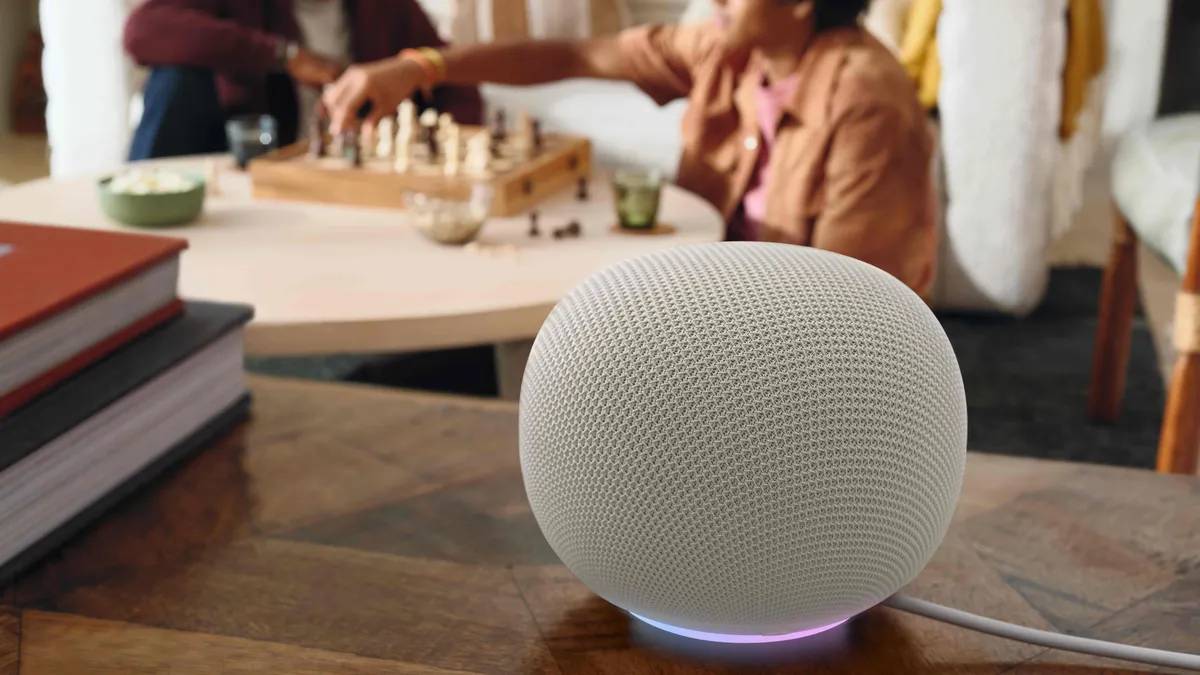
A comprehensive guide to Google’s voice command ecosystem for smart homes highlights the growing centrality of AI-powered assistants in daily life. As smart home adoption accelerates globally, the expanded command set underscores how voice interfaces are becoming critical infrastructure for households, enabling automation, convenience, and real-time control across devices and services.
The latest compilation of Google voice commands focuses on how users can interact with Google Assistant and connected smart home systems. Commands span entertainment, home automation, productivity, navigation, and information retrieval.
Key categories include controlling lighting, thermostats, and appliances; streaming music and video; setting reminders and alarms; and managing daily schedules. The system also integrates with Google ecosystem services such as Maps, Calendar, and Search.
The guide reflects the steady evolution of smart home platforms, where voice-first interaction is increasingly replacing manual app-based control. The expansion signals deeper integration between devices, cloud intelligence, and consumer behavior patterns.
Voice-controlled smart homes have shifted from niche innovation to mainstream consumer infrastructure over the past decade. Platforms like Google Assistant and competing systems have gradually expanded from simple query responses to full-scale home orchestration engines.
This evolution aligns with broader trends in AI-driven consumer technology, where natural language interfaces are replacing traditional UI navigation. The smart home market, fueled by IoT adoption, has seen rapid growth in categories such as connected lighting, security systems, and home entertainment hubs.
Historically, early voice assistants were limited to basic tasks like weather updates or music playback. Today, they function as centralized control layers for entire home ecosystems. The increasing interoperability between devices and cloud services has further strengthened their role in digital households.
Against this backdrop, Google’s command ecosystem represents a strategic push toward embedding AI deeper into everyday environments. Industry analysts suggest that voice interfaces are transitioning into foundational layers of consumer computing. Experts argue that the convenience factor of hands-free control is driving sustained adoption, particularly in multi-device households.
Technology commentators note that Google’s continued investment in Assistant capabilities reflects a broader competition in ambient computing, where devices anticipate user needs rather than simply respond to inputs.
While official statements from Google emphasize improved usability and ecosystem integration, analysts highlight a more strategic goal: increasing dependency on interconnected services within the Google ecosystem.
Some smart home developers point out that expanded command libraries also reduce friction for new users, making smart home adoption more accessible to non-technical consumers. However, concerns remain around data privacy, voice data retention, and cross-device surveillance risks, which continue to attract regulatory attention in multiple regions.
For businesses, the expansion of voice command ecosystems signals a shift toward designing services that are “voice-first” rather than app-first. This impacts product design, customer engagement strategies, and platform compatibility requirements.
Smart home manufacturers may need to deepen integration with platforms like Google Assistant to remain competitive. Meanwhile, advertisers and service providers gain new opportunities to reach users through conversational interfaces.
From a policy perspective, regulators are increasingly examining how voice data is stored, processed, and monetized. Questions around consent, data transparency, and cross-device tracking are becoming central to AI governance frameworks.
For executives, the trend suggests a future where AI assistants act as gatekeepers of consumer interaction, reshaping digital touchpoints across industries. Looking ahead, voice assistants are expected to become more predictive, context-aware, and multimodal, combining voice with visual and sensor-based inputs. The next phase of smart home evolution will likely focus on deeper automation and reduced user prompting.
Decision-makers should watch for tighter integration between AI models, home IoT systems, and third-party services. However, the balance between convenience and privacy will remain a defining tension shaping adoption rates.
Source: Cnet
Date: June 19, 2026


